A Quiet Ending
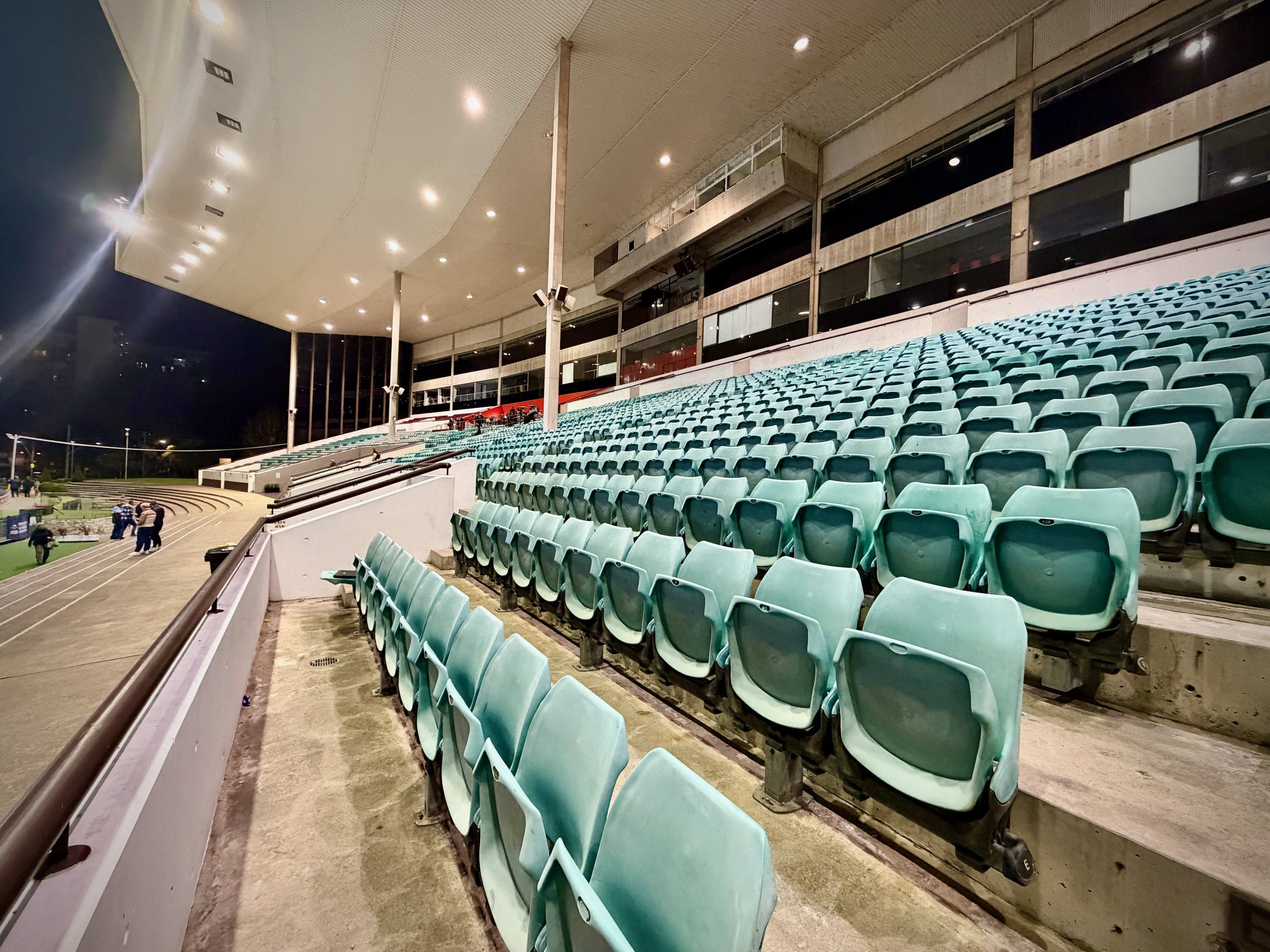
On a cold, clear Thursday night, I found myself sitting in a grandstand built for thousands.
There might have been fifty people there.
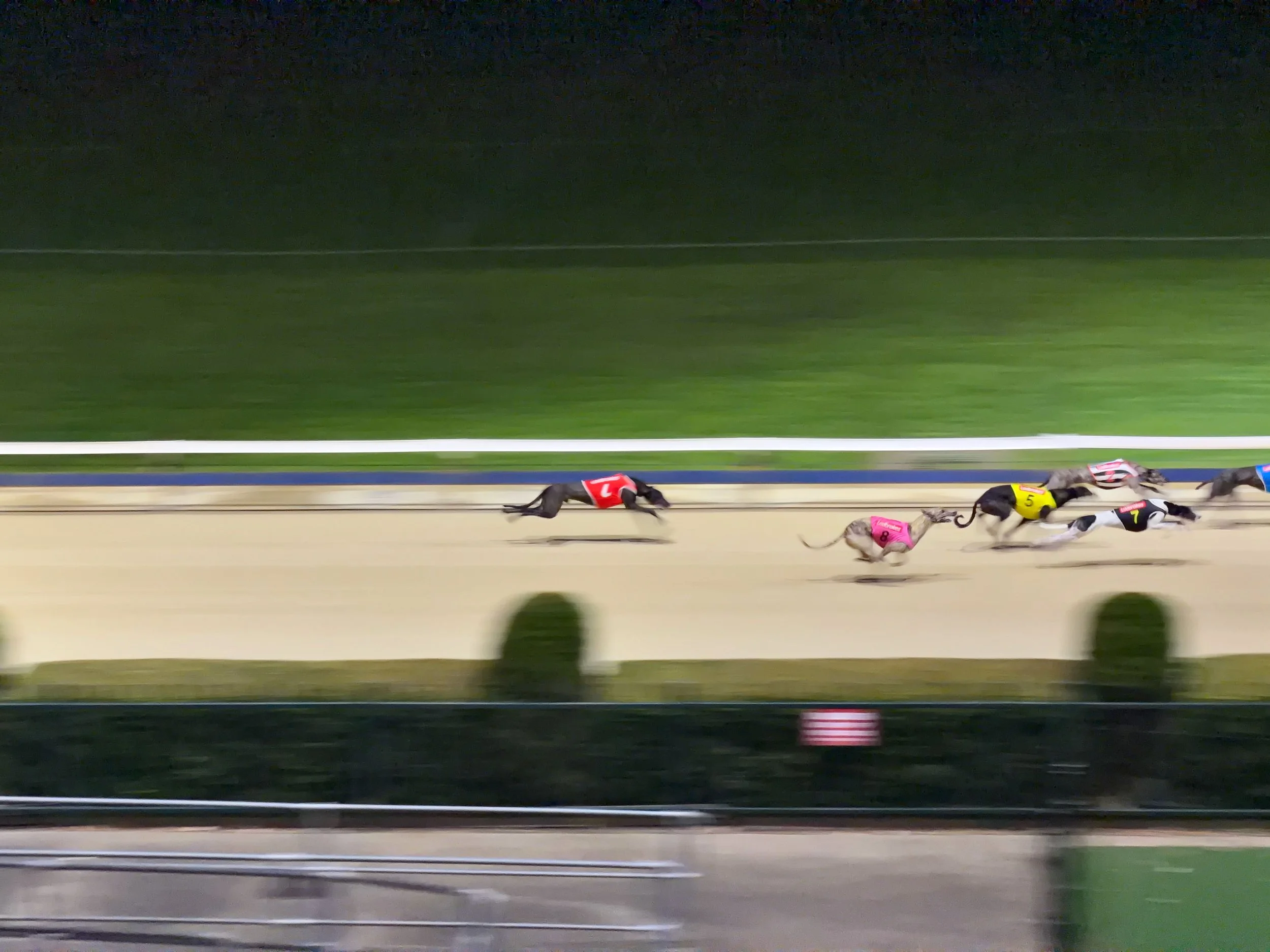
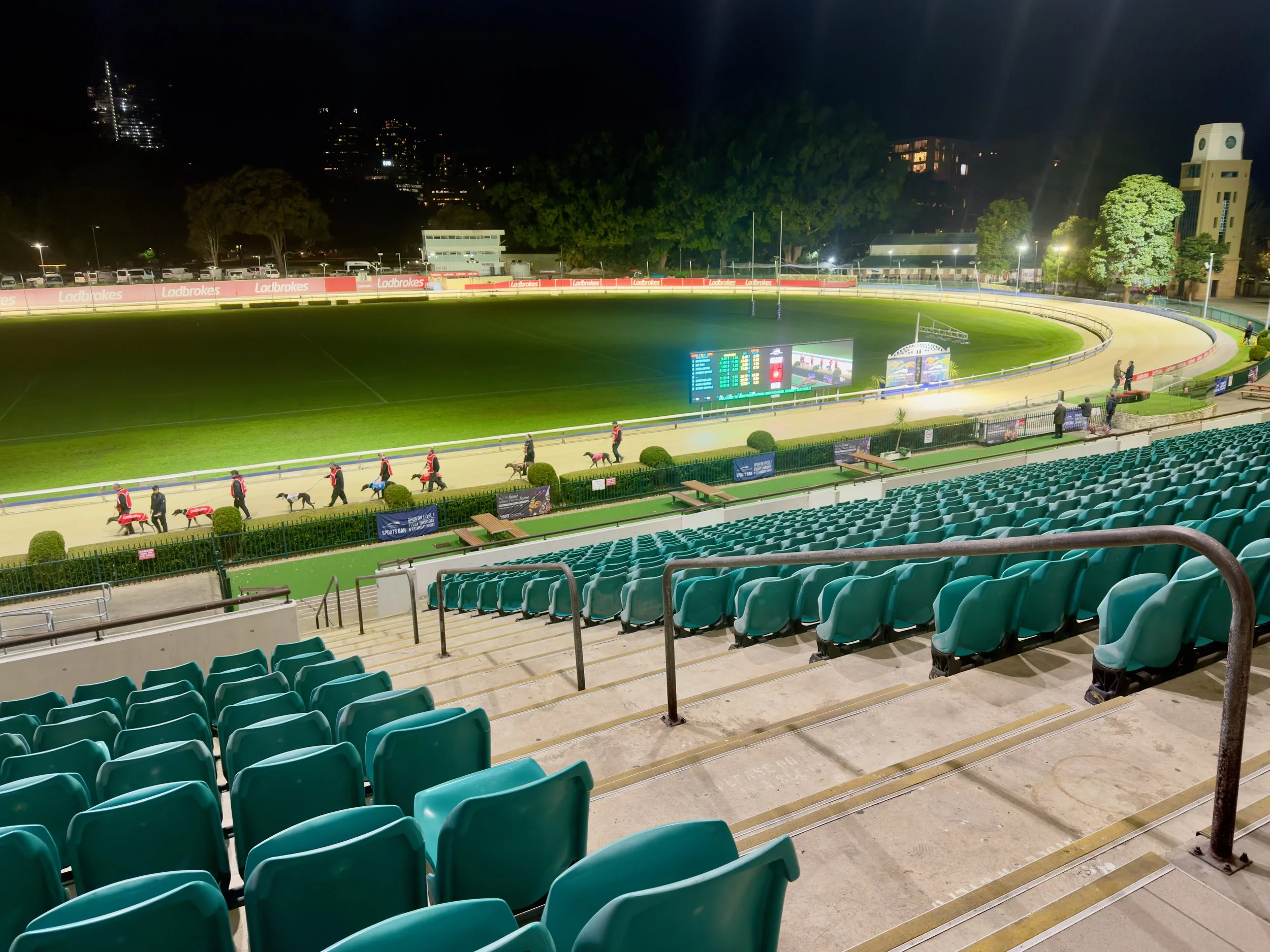
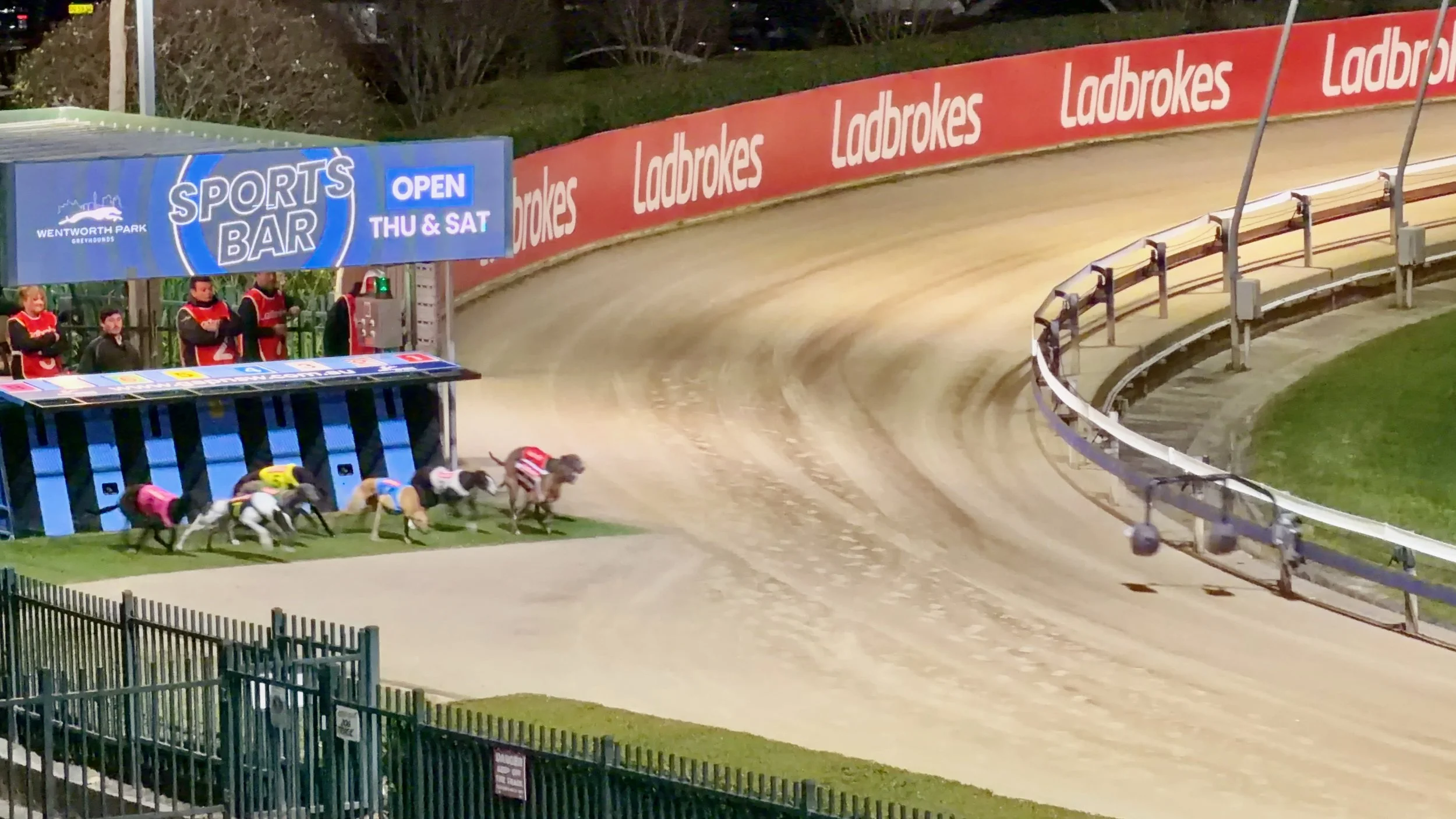
It wasn’t silent. Every few minutes the public address system crackled to life, handlers walked their dogs towards the starting boxes, and the cable lure wound itself into motion with a sound I didn’t recognise but quickly learnt to anticipate. Then, in less than thirty seconds, another race was over.
The pattern repeated itself.
I’d come to Wentworth Park because I knew I was running out of chances.
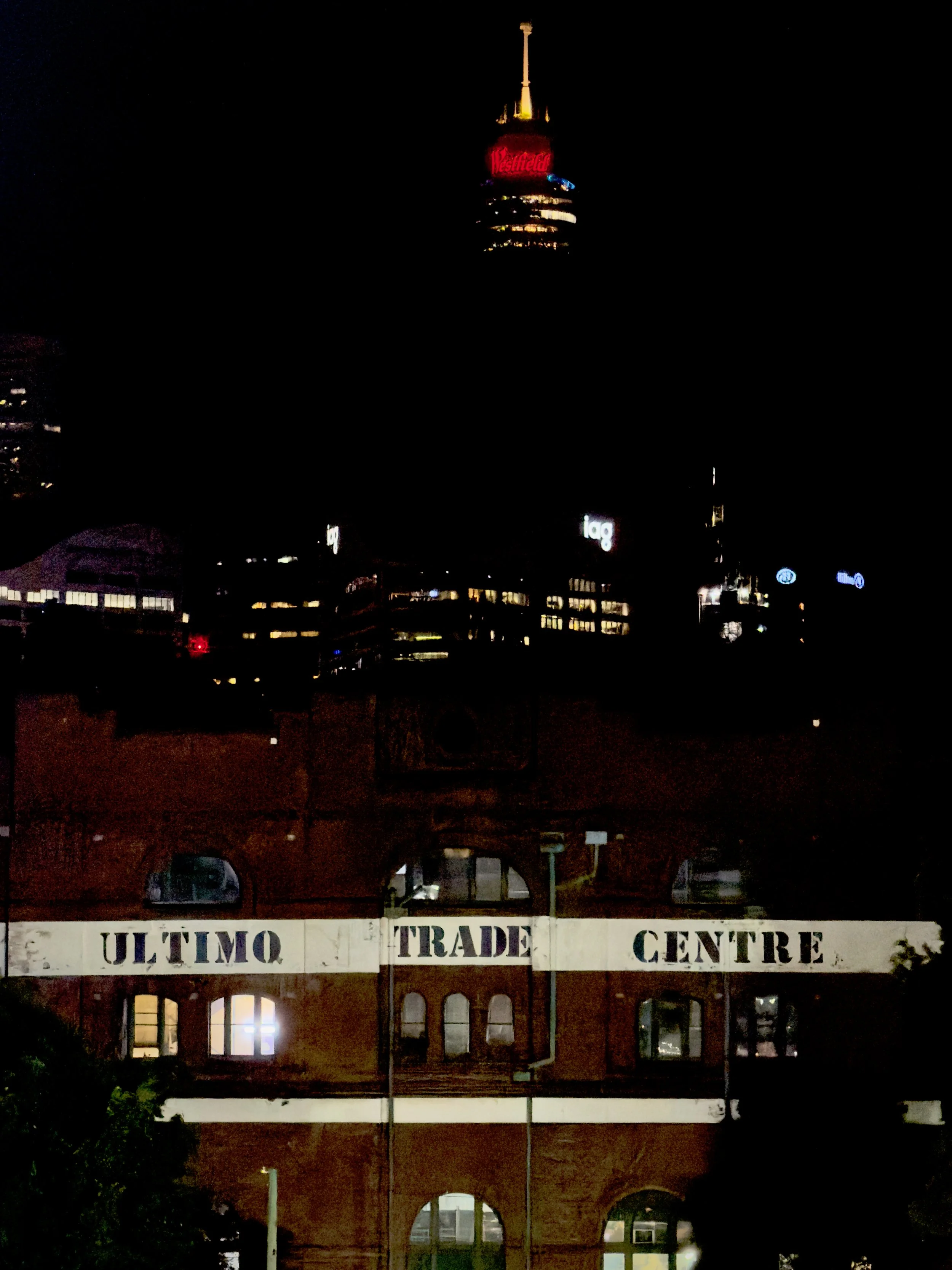
Greyhound racing at Wentworth Park, in Glebe, will end on 16 October after more than ninety years at the site, before the precinct is transformed into public parkland. I’d never been before, and I realised that if I didn’t come now, I’d never know what had once existed here.
Betting seemed inseparable from the experience, so I put fifty dollars into my TAB account and planned to wager five dollars on each race. By the end of the night, I’d lost five dollars and fifty cents.
I had expected the betting to occupy more of my attention. It turned out to be one of the least interesting parts of being there.
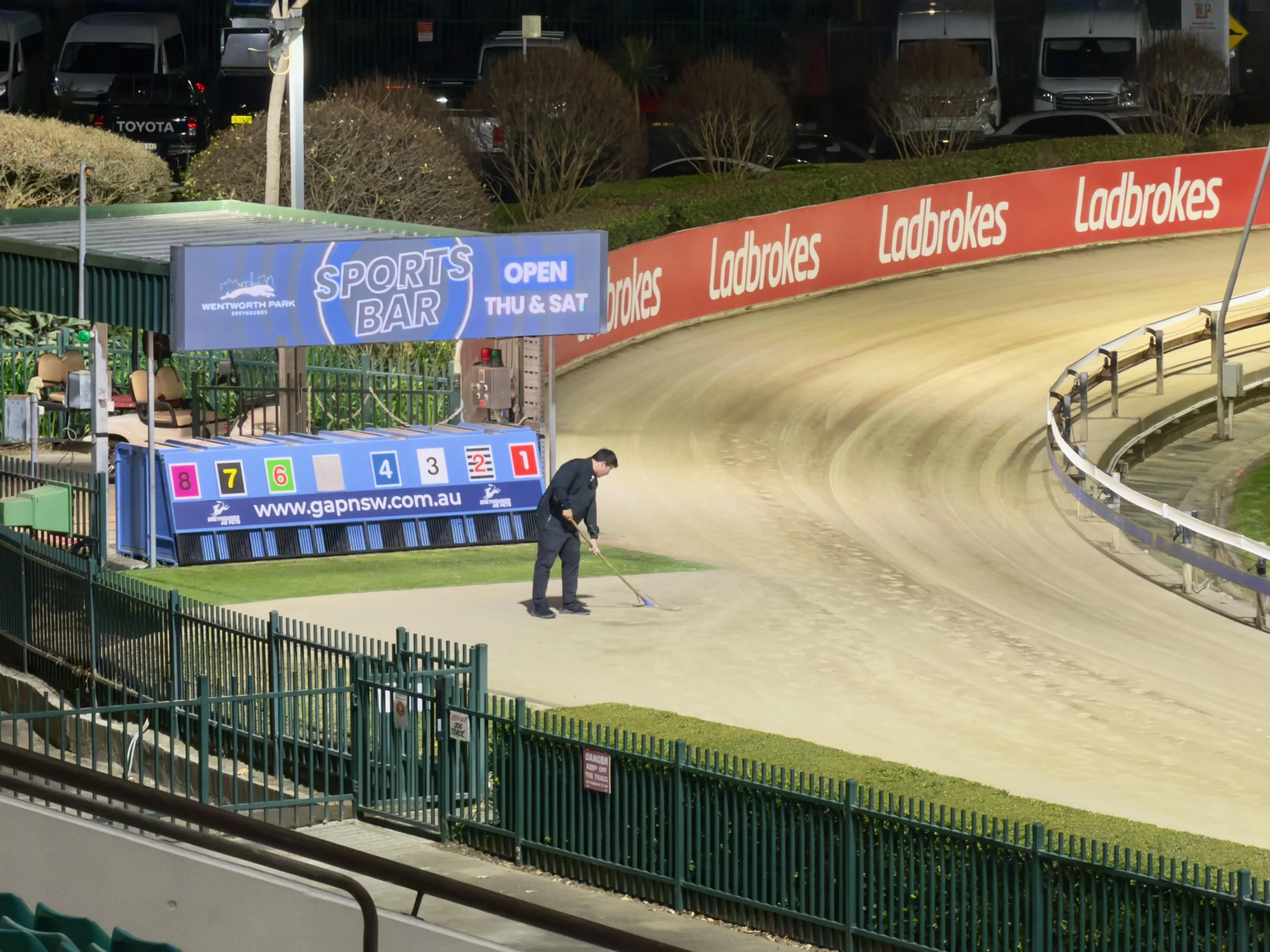
Instead, I found myself watching everything around the racing. The kitchen had already closed before nine o’clock, and the bar would shut before the final race. By the last couple of events, the cleaner had wiped the tables, emptied the bins and packed much of the venue away, as though everyone knew there was little point waiting until the night officially ended.
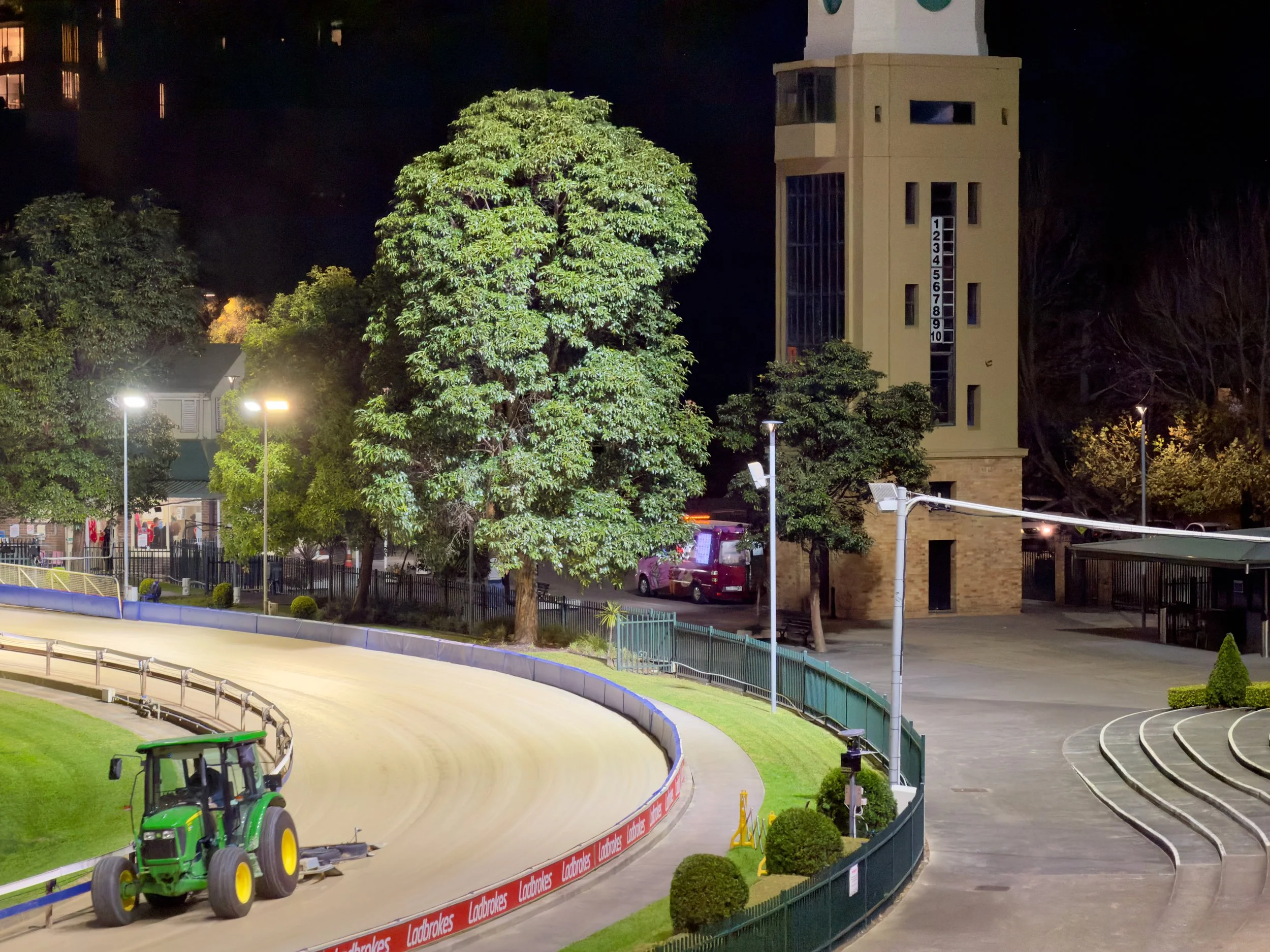
There was even a food truck tucked away near the edge of the grounds. I only noticed it late in the evening, and once I did, I couldn’t remember seeing a single person walk away from it carrying food.
None of these things meant much on their own. Together, they felt like a venue that had begun saying goodbye long before anyone announced the final race.
That was the strange part. Nothing about the place felt insignificant. The grandstand was too large, the facilities too substantial and the routines too well established. This wasn’t a venue that had never found an audience. It was a venue that had outlived one.
You could almost picture the nights when these seats were full and every part of the precinct was open. I hadn’t seen those nights, but the venue still carried their imprint.
The crowd told a similar story. There were a few children early in the night, riding scooters and throwing tennis balls before they disappeared home. After that, I struggled to spot many young people at all.
Most of the crowd looked to be around my age or older, and there were only a handful of women. What remained felt like a particular group of regulars rather than an audience being replaced by another generation.
Many people spent most of the evening inside or socialising around the outdoor heaters. A couple of minutes before each race, they would drift back towards the track, watch thirty seconds of racing, then return to the rest of their evening.
It felt less like a sporting spectacle than a Thursday night routine.
That made me wonder what happens after October. Not to the industry, but to the people who live close enough to catch the light rail, have a meal, watch a few races and head home before eleven. Perhaps they’ll drive to Richmond or Gosford. Perhaps they won’t. I don’t know.
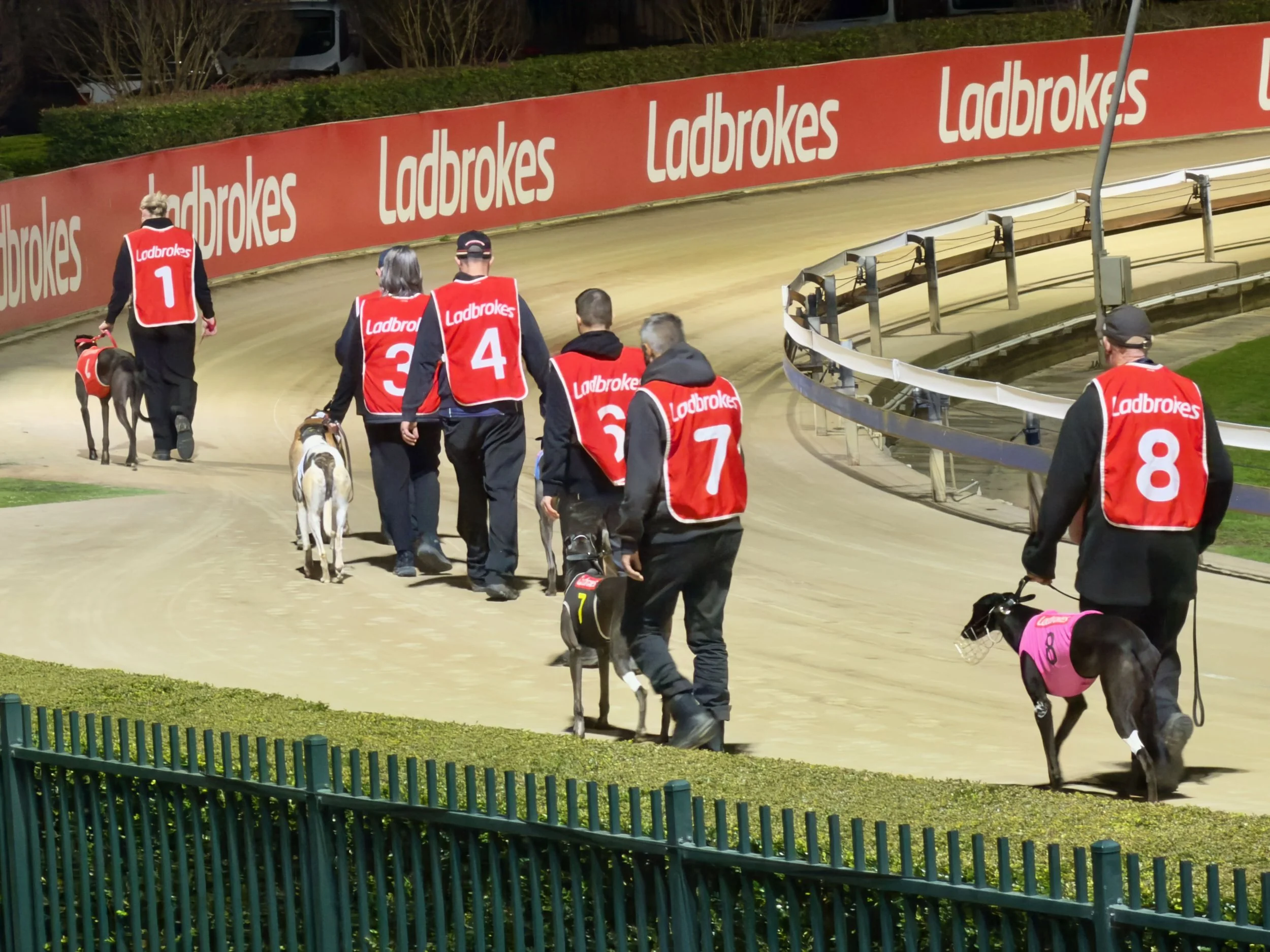
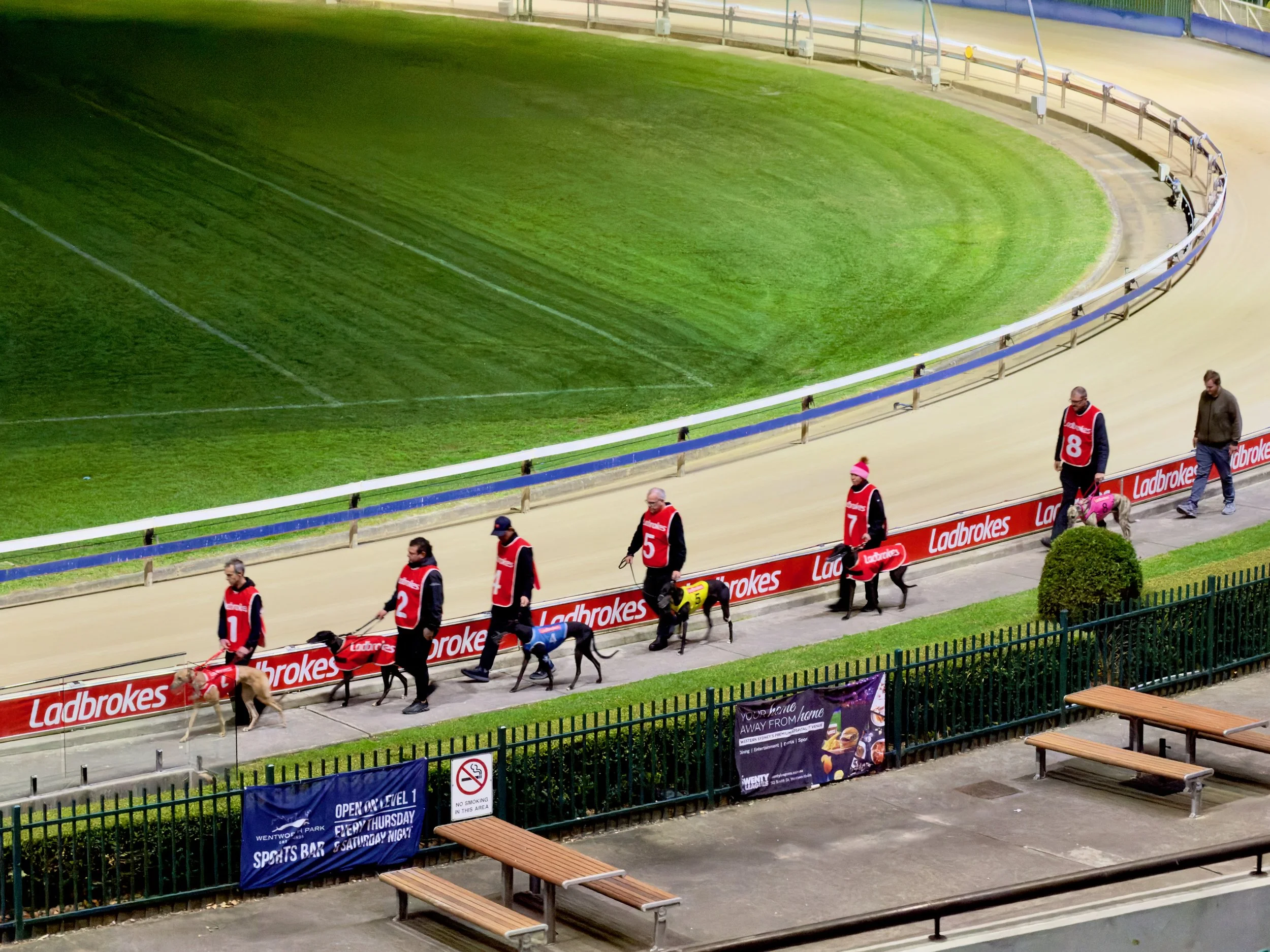
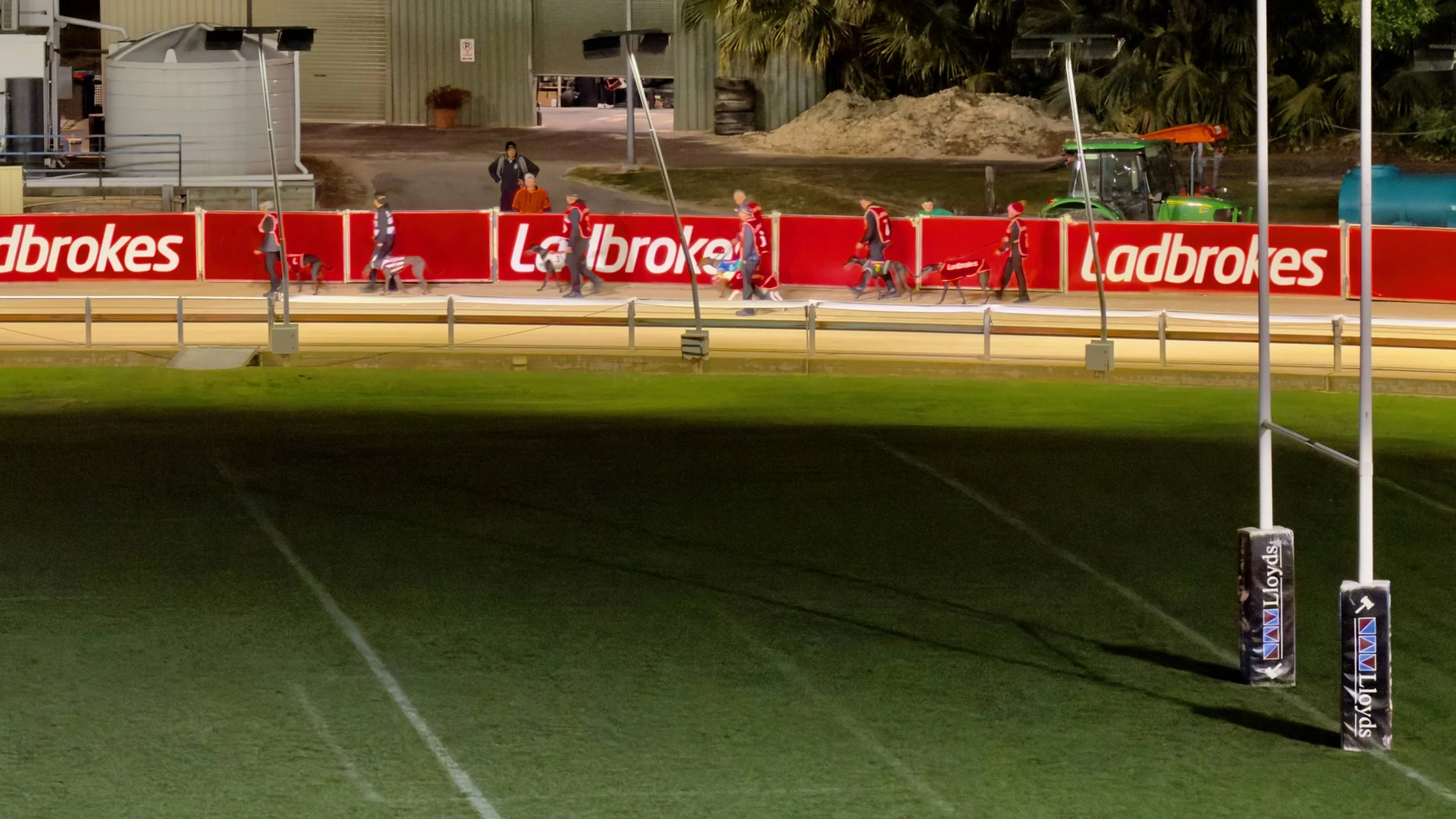
For all my uncertainty about the sport, there were moments I genuinely enjoyed.
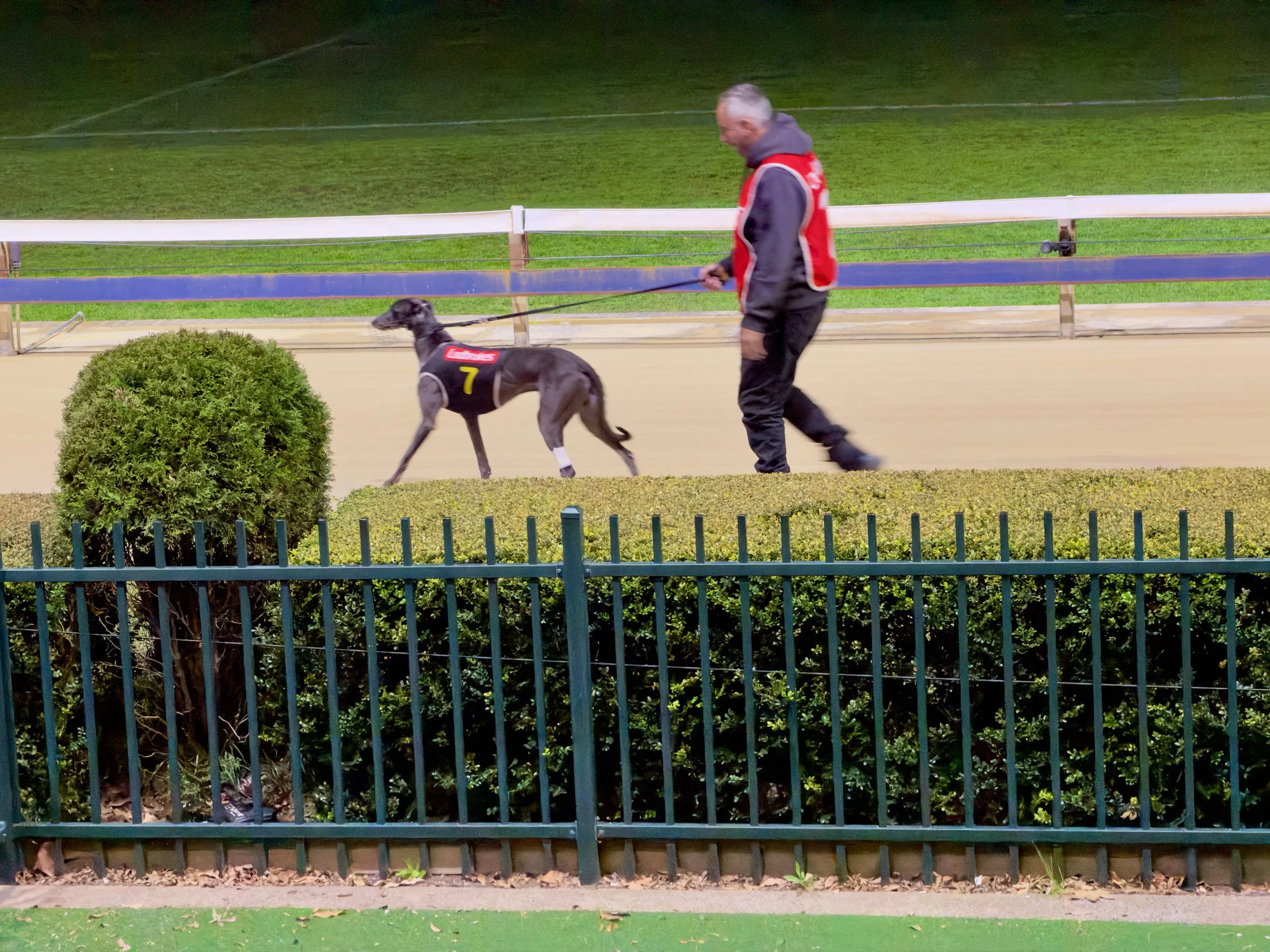
The dogs surprised me. I’d expected racing greyhounds. Instead, many simply looked like dogs. Some wagged their tails. Some stopped to sniff the ground. One looked more interested in everything around it than the race it was about to run. Another seemed determined to earn a pat from its handler.
Standing there watching them walk towards the starting boxes, it was strangely easy to forget that these were racing greyhounds at all.
The sound of the lure stayed with me too. After a few races, I could hear it beginning to spin somewhere out in the darkness and knew another race was about to begin.
That became greyhound racing’s sound for me.
I also spent much of the evening trying to understand my own discomfort.
Part of that discomfort came from growing up around Taree, where greyhound racing was simply part of the landscape. Family friends trained dogs, and even as a child I remember understanding that affection for the animals and the harder economics of racing could exist together. Some dogs became pets when they stopped racing. Others seemed to be valued largely for what they could still do.
Those memories are forty years old and incomplete, but they meant I hadn’t arrived at Wentworth Park as a blank slate.
By the end of the night, I realised I didn’t feel particularly sad. I had expected that I might. This was a sporting venue approaching the end of more than ninety years of history, and everything around me showed that it had once been something much bigger.
But being there hadn’t made me wish it could stay as it was.
I was still glad I had come.
If I hadn’t, Wentworth Park would simply have become another headline announcing the closure of another sporting venue. Now I know what it felt like to sit there on an ordinary Thursday night.
I know the sound of the lure. I know that, for a few moments before each race, the greyhounds were just dogs. And I know that this grandstand once held a much larger place in Sydney’s sporting life than the fifty people sitting there on the night I visited.
As I walked back towards the light rail, I wasn’t leaving with sadness for the sport itself.
I was leaving with an appreciation that I’d taken the time to understand a small piece of Sydney’s sporting history before it transformed into something else.