Club First
Some sporting venues announce themselves long before you walk through the gate. Belmore Sports Ground isn't one of them.
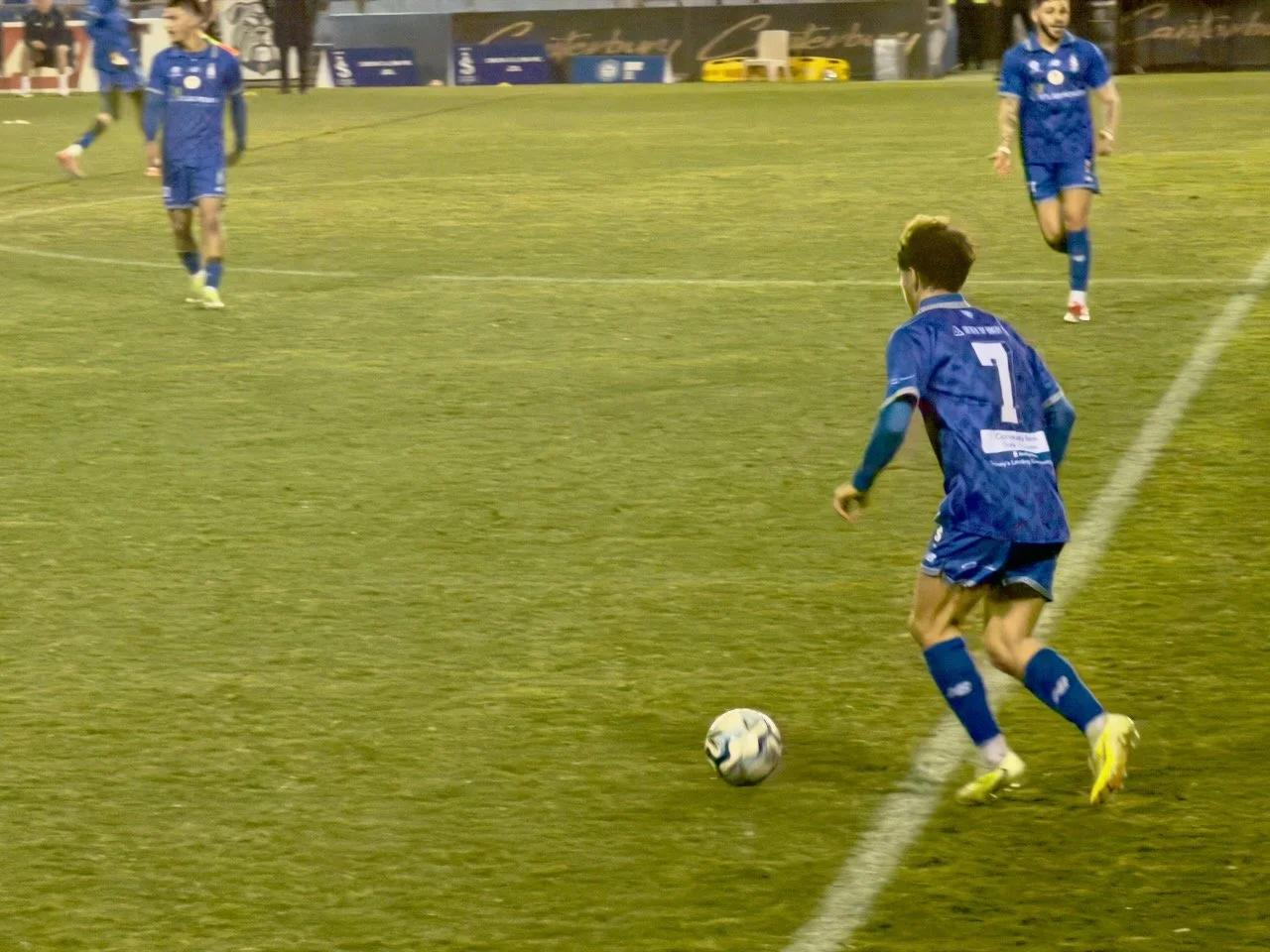
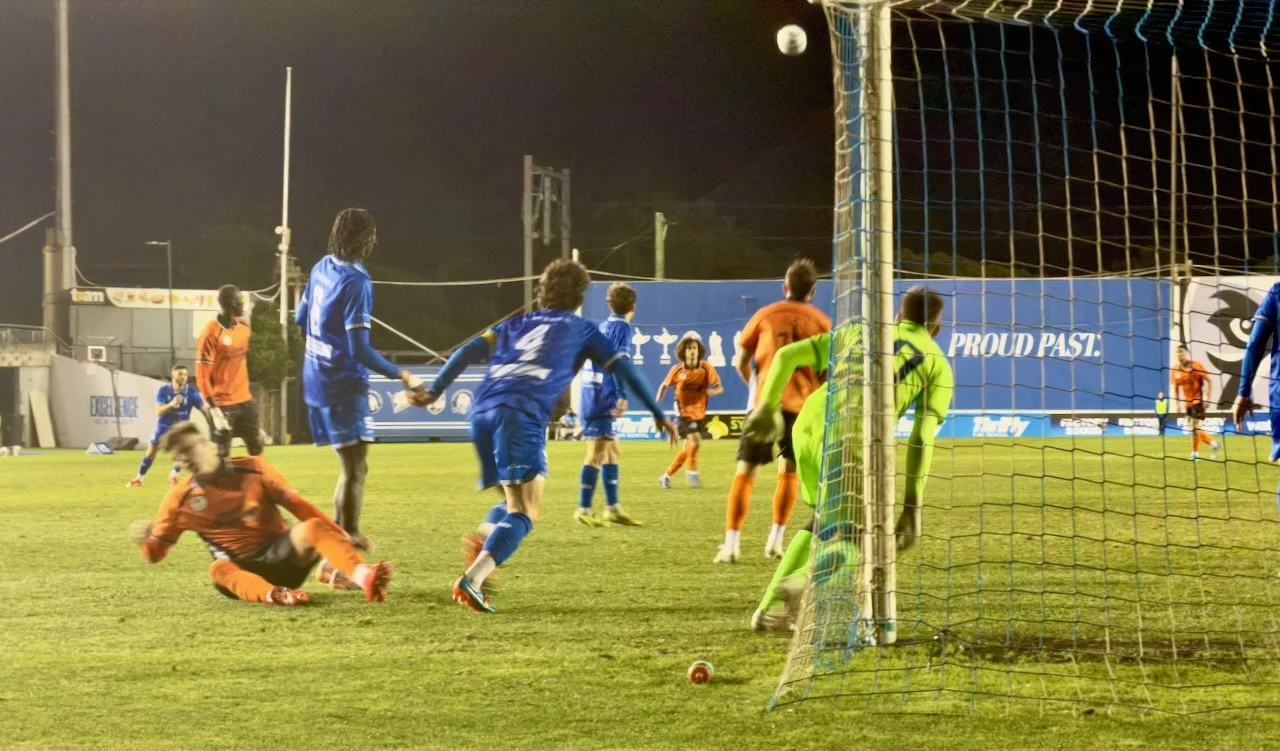
It was another cold Thursday night. Colder than the night before, if I'm honest. A combination of Metro, a replacement bus and a short walk eventually brought me to Belmore for my first Australia Cup match, Brisbane Roar against Sydney Olympic. It had been close to forty years since I'd last been here.
I wasn't expecting CommBank Stadium or Allianz. But I wasn't expecting this either. The grandstand immediately caught my attention. Not because it was charmingly old or full of character, but because it felt like time had simply passed it by. I knew Belmore had history and I'd assumed, somewhere over the past forty years, it would have evolved with the game. Instead I found myself looking around thinking, Surely this has been renovated?
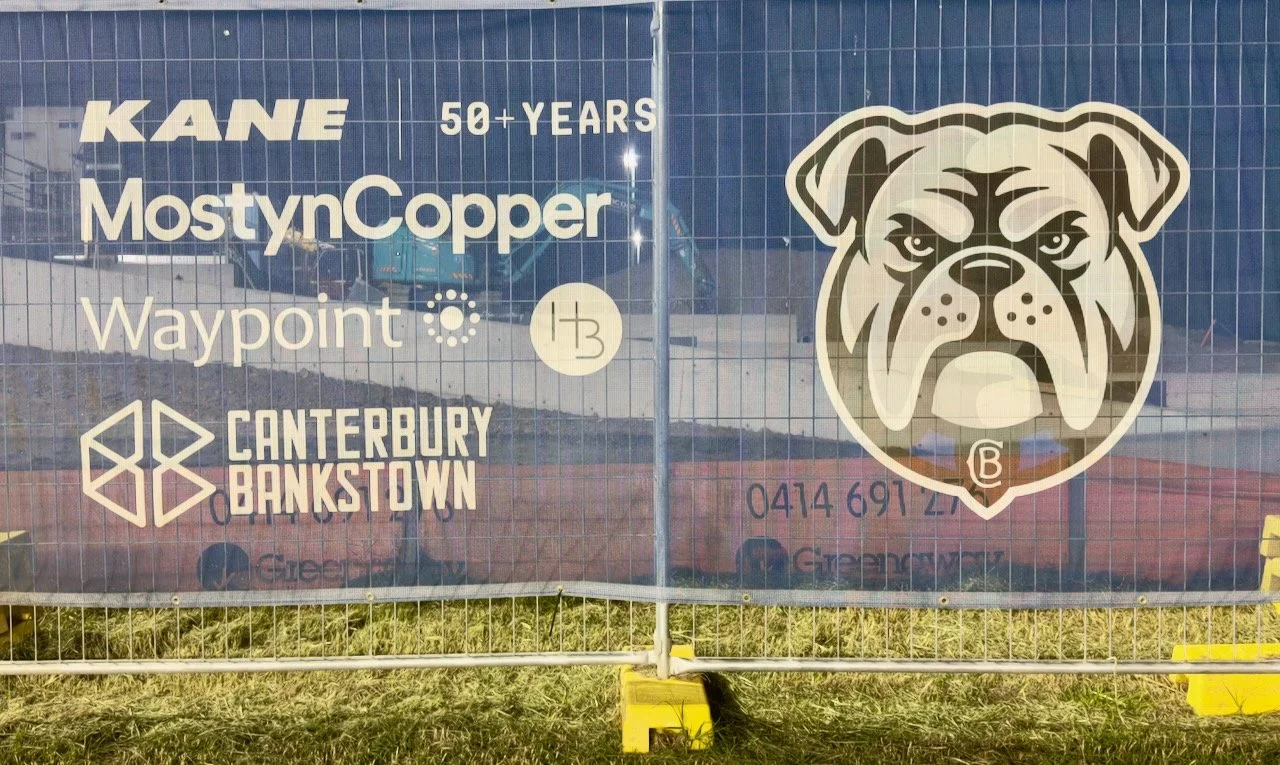
It wasn't until later that I realised what I'd actually seen on the way in. The construction wasn't a redevelopment of the grandstand at all. It was the Bulldogs' new High Performance Centre, rising beside a stadium that remains unmistakably from another era.
That feeling never really left me. What confused me wasn't that Belmore was old. It was that almost everything else about the night suggested it was important.
This was a nationally televised Australia Cup match. An A-League club had travelled to Sydney. Everywhere I looked the ground reminded me what the Bulldogs stood for. Club First. Team Second. Individual Third. stretched across one side of the field. Premiership years were celebrated behind the goal. Blue and white dominated almost every surface. Sydney Olympic's branding was everywhere too, from giant seat covers carrying the club crest to flags lining the edge of the field.
Everything told me this was a place with identity. Yet everywhere I looked, I found another contradiction.
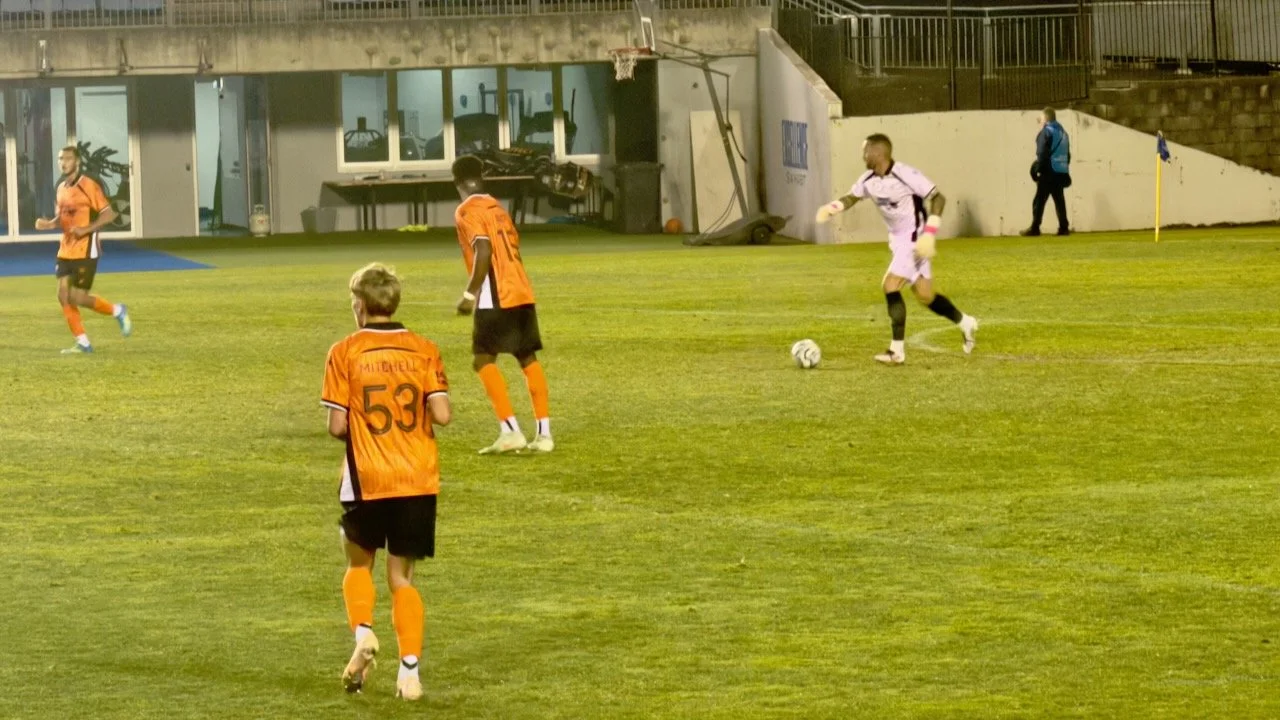
The team benches were little more than rows of plastic chairs.
Food wasn't coming from a canteen but from marquees set up outside.
I couldn't see any corporate boxes, and the media facilities, if they existed, blended quietly into the background.
Even after spending the last few months visiting suburban football grounds like Christie Park, Cromer Park and Rockdale, I caught myself thinking that some of those venues actually felt more modern.
Not bigger.
Not grander.
Just... more current. That surprised me. The football itself almost became secondary to the questions running through my head.
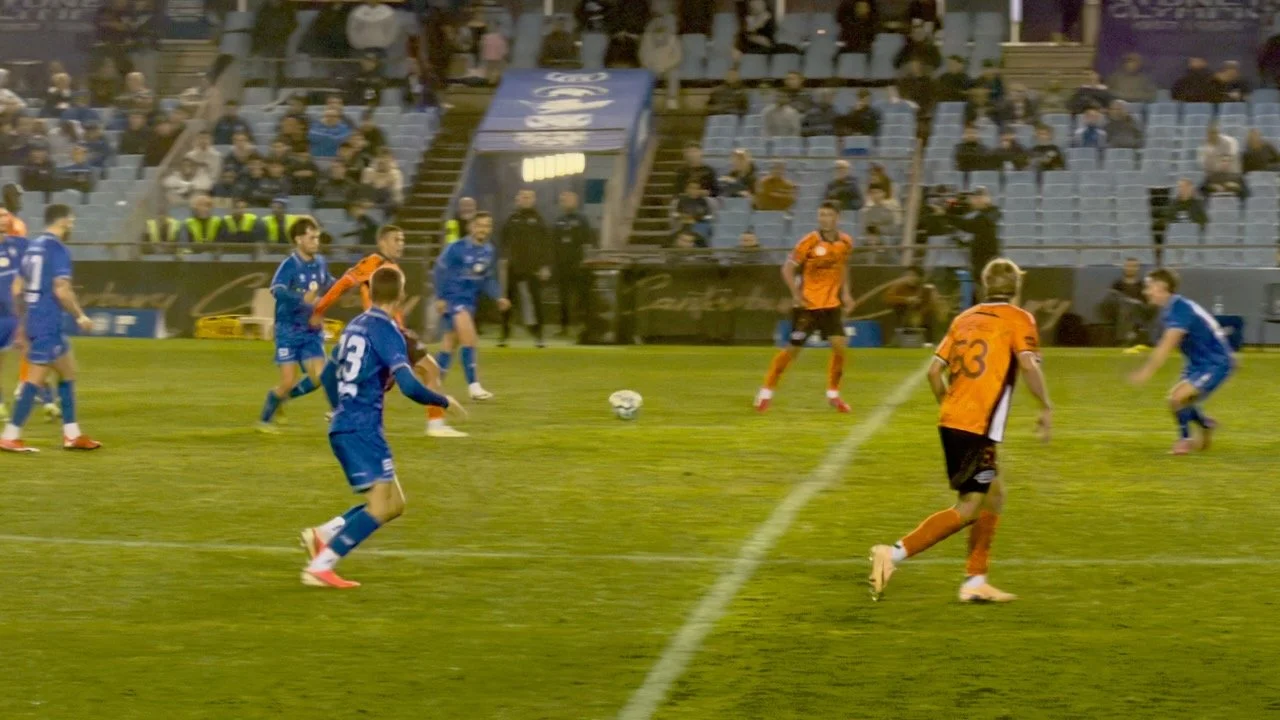
Brisbane Roar looked like the better side from the opening whistle. Their passing was a little sharper, their movement a little cleaner, but for forty-five minutes Sydney Olympic matched them well enough to head into halftime at nil-all. Eventually the difference showed. Brisbane found a goal, then another only minutes later, before a third settled the contest. The better team won. Sydney Olympic had moments getting forward, but once again looked like a side searching for a way to turn possession into goals.
Normally that would have been the story. It wasn't mine. I found myself moving around the ground instead.
Behind the goal.
In the grandstand.
Down near the Brisbane Roar supporters.
Eventually behind the Brisbane bench, which turned out to be my favourite spot of the night.
From there the game changed. I wasn't watching attacks anymore. I was watching players.
One teammate helping another with cramp. Substitutes warming up. Assistant coaches quietly talking among themselves. High fives after goals. Little conversations that television cameras never notice.
The Brisbane coach didn't look especially pleased, despite leading comfortably. Maybe it was simply the intensity of a first competitive hit-out for the season. Maybe there was something more. I never found out, and that's okay. Sometimes it's enough just to notice.
The crowd became another contradiction. There were kids everywhere. A barbecue was doing steady business.
Sydney Olympic shirts and scarves seemed to outnumber ordinary jackets. I don't think I've been to another sporting event where so many people were wearing club merchandise. The chants were loud, the reactions to referee decisions louder still, and it felt unmistakably local.
I don't particularly support Sydney Olympic. If anything, recent weeks have probably pushed them towards the other end of my football preferences. None of that mattered. You couldn't question the community.
Then there were the Brisbane supporters. There weren't many of them, perhaps only a couple of dozen, but they made themselves known. One supporter stood out in particular, rugged up in a lion onesie over a Brisbane Roar jersey, a Roar scarf wrapped tightly around her neck... and wearing thongs. Three or four degrees.
A lion onesie.
Thongs.
Somehow it made perfect sense.
Twenty minutes later I walked into a nearby pub to catch the end of the Roosters and Cowboys game and there she was again, still wearing the lion onesie. I had to smile.
By the time I caught the late bus home, I realised I still hadn't worked Belmore out. It doesn't feel like the image the NRL projects of itself. It doesn't even feel like some of the suburban football grounds I've visited recently. And yet I'd happily come back.
Perhaps that's the contradiction I'll remember most. Belmore isn't a modern stadium pretending to have history. It's a place where the history, the community and the identity are carrying far more weight than the concrete ever could.
I arrived expecting to watch an Australia Cup match. Instead I spent most of the evening trying to understand a sporting ground that refused to fit the picture I'd built in my head.