I arrived at the Sydney Opera House just after 10 on a beautiful sunny Sunday knowing almost nothing about padel. That was partly the attraction.
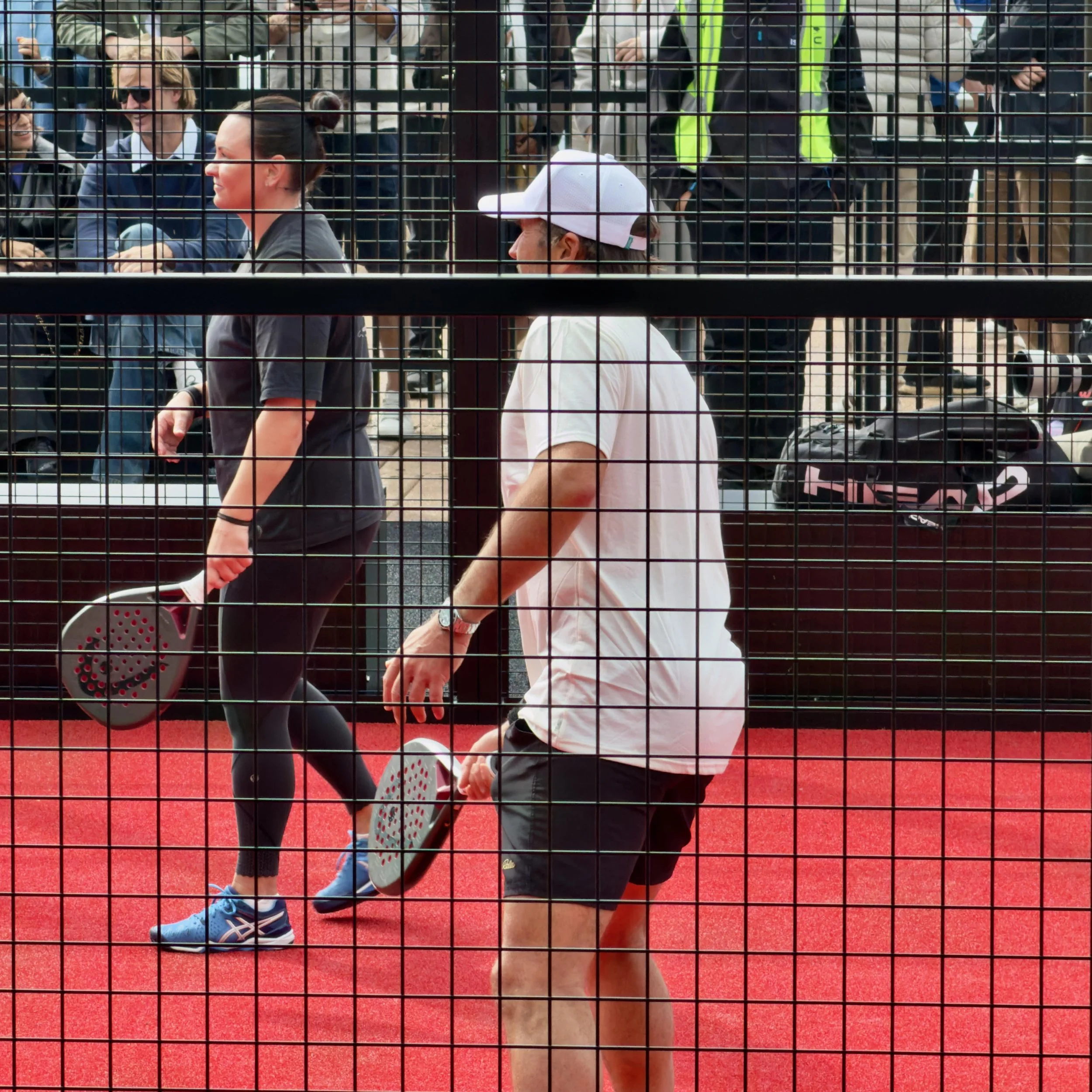
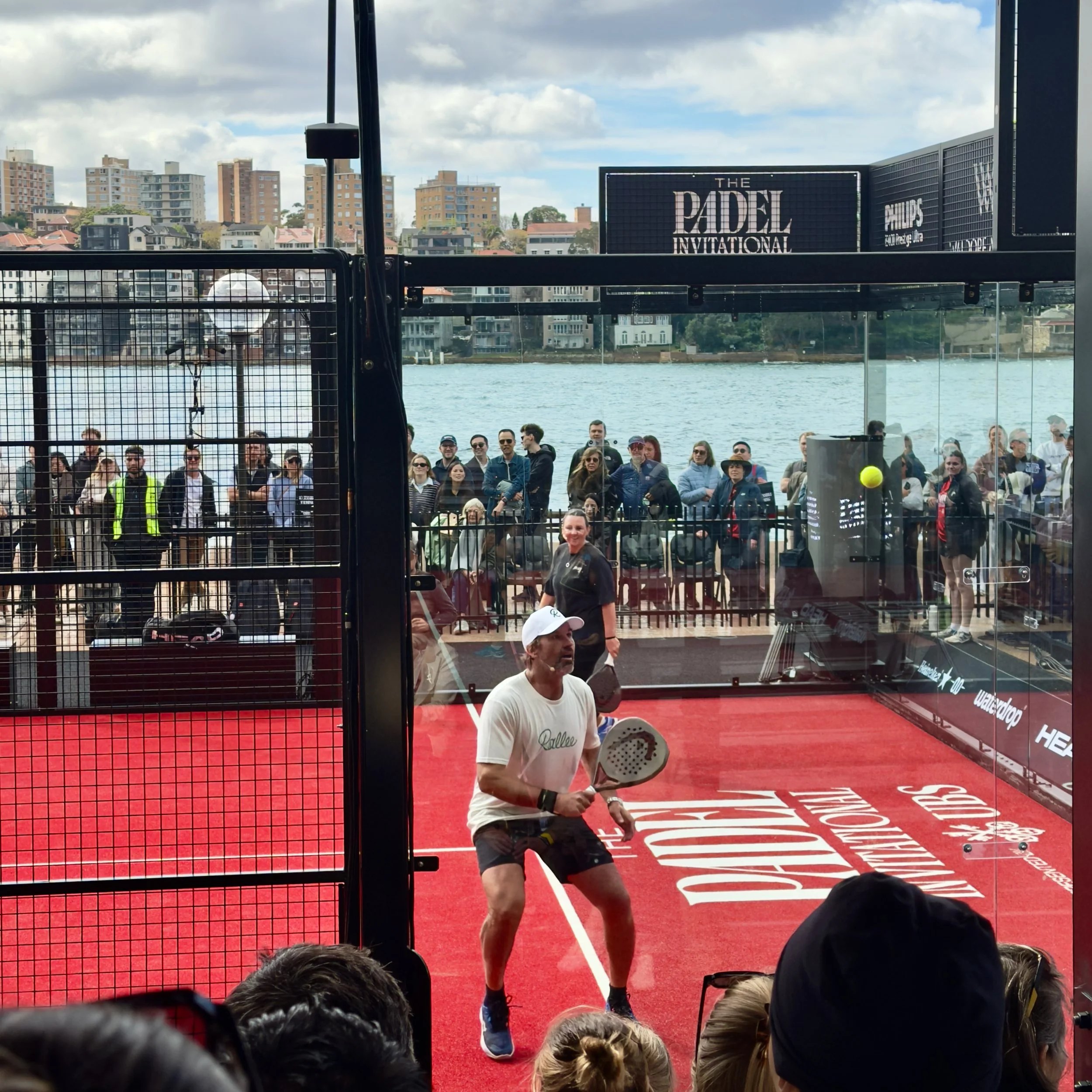
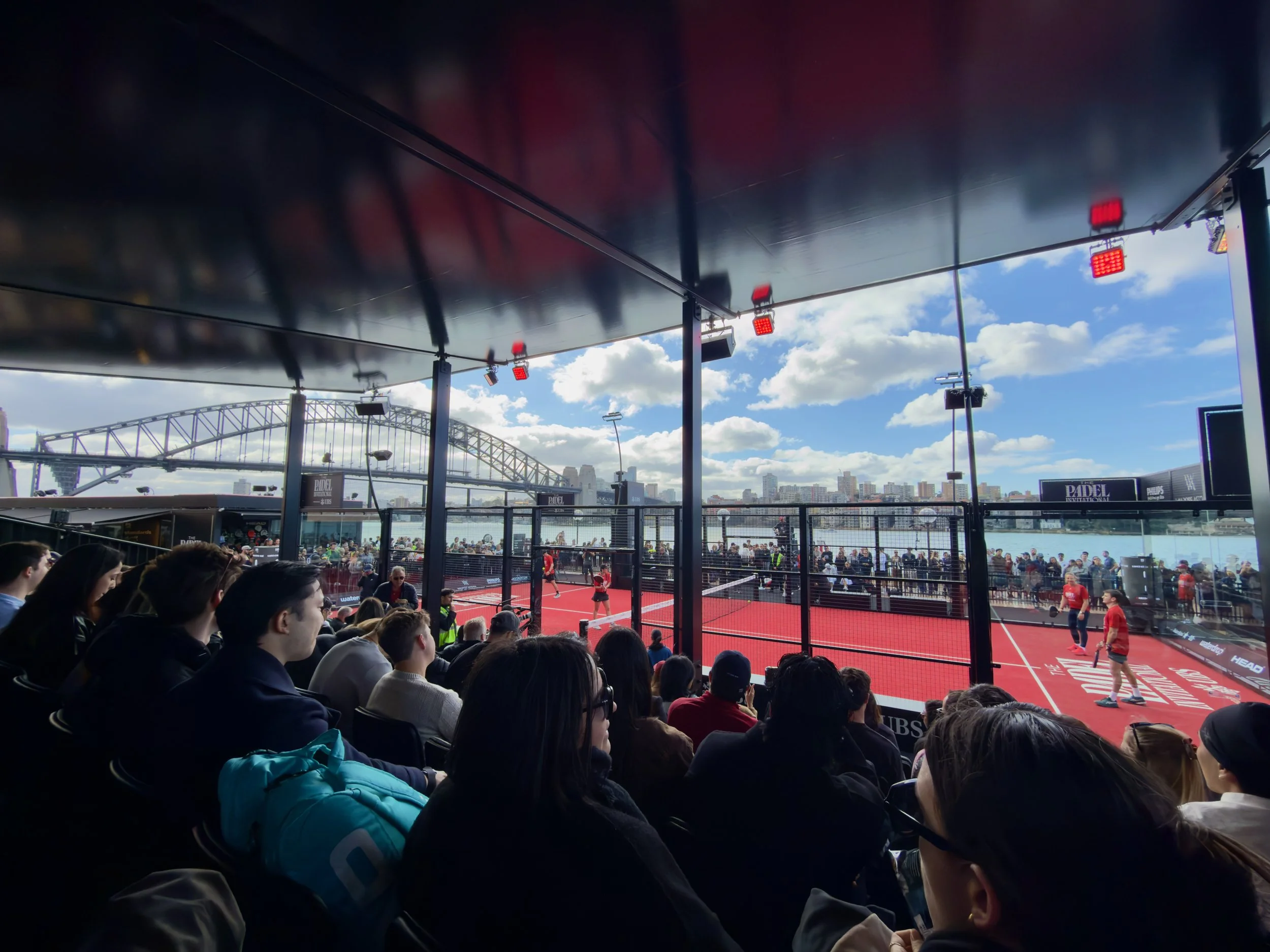
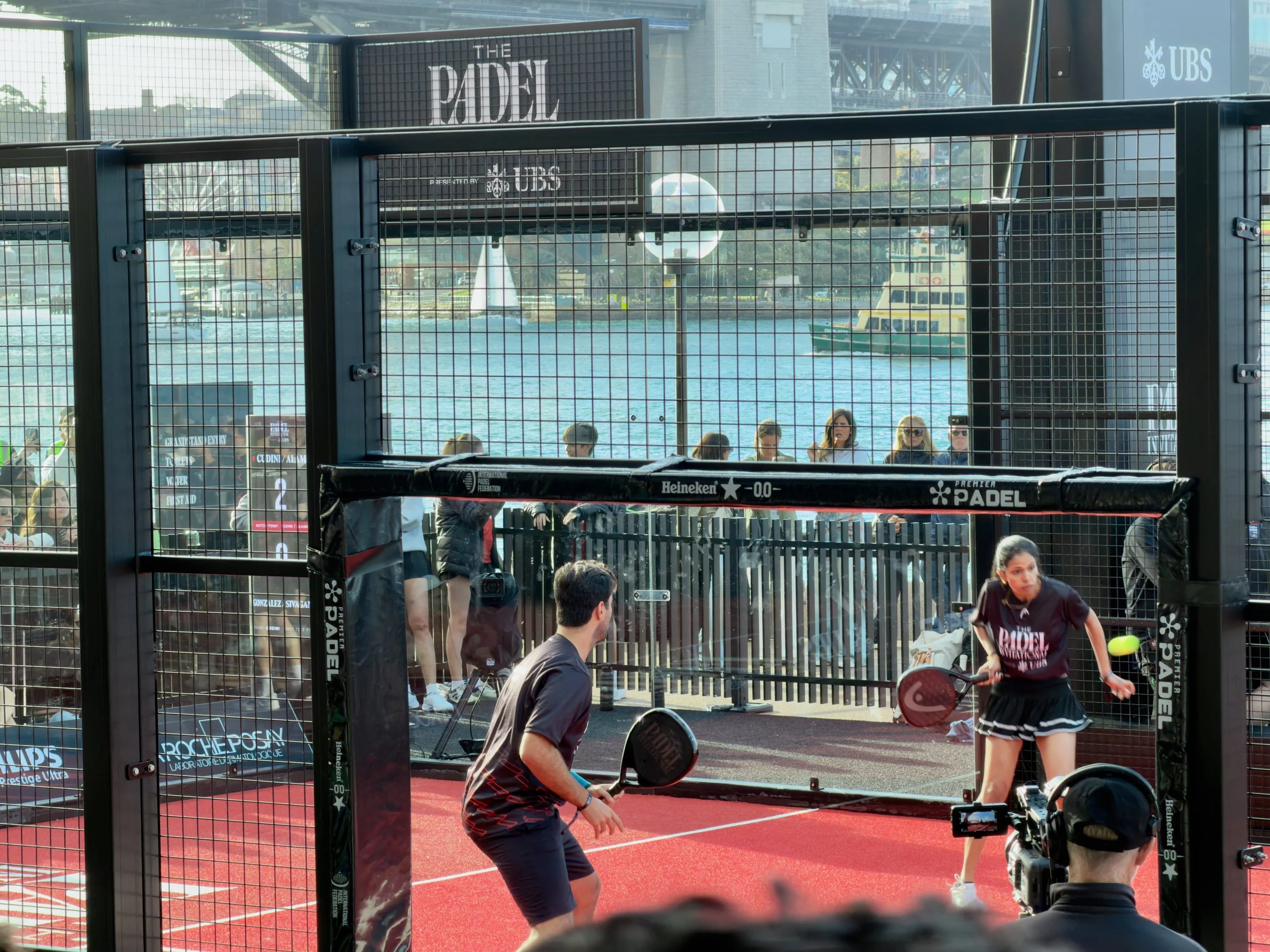
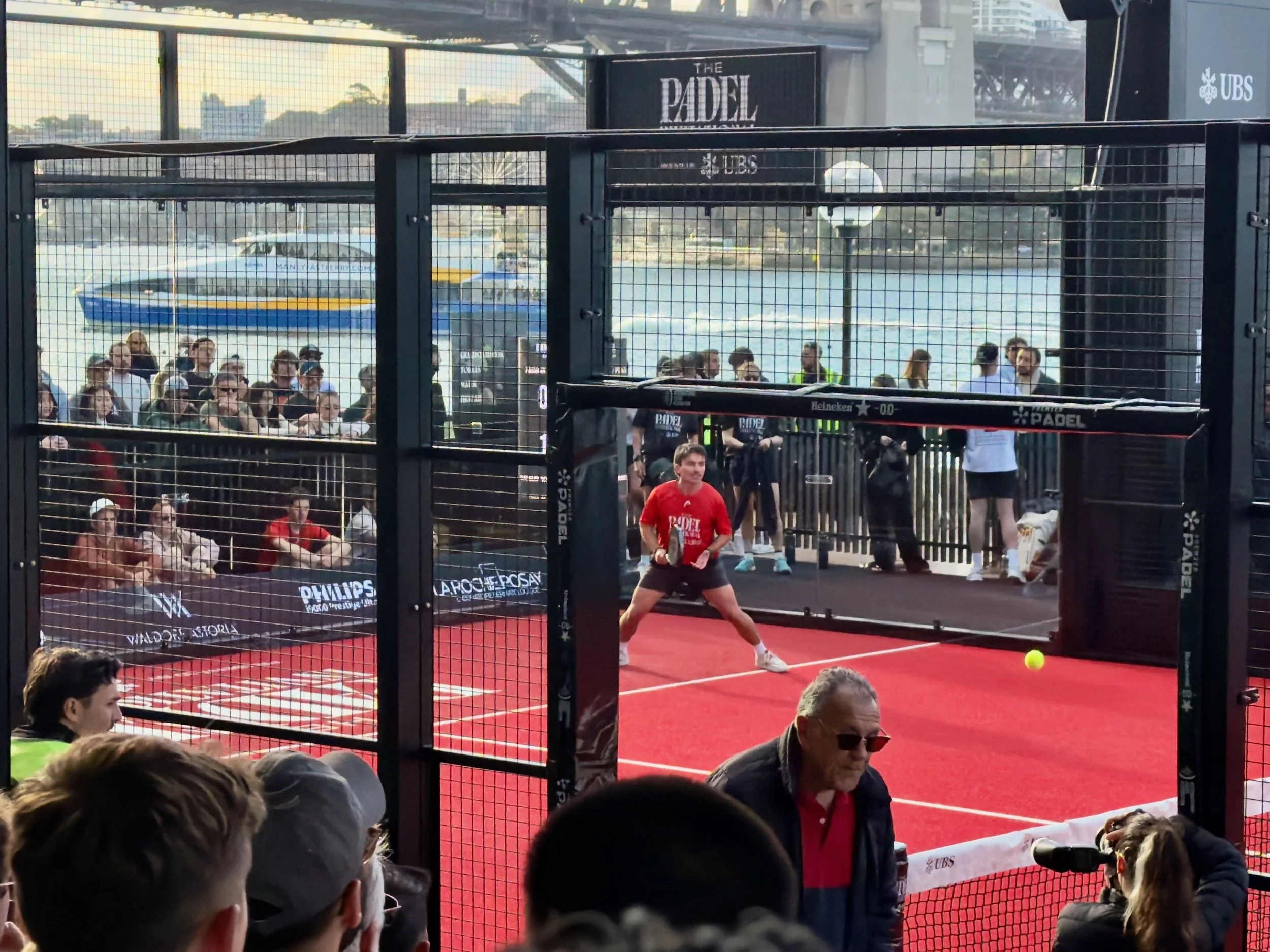
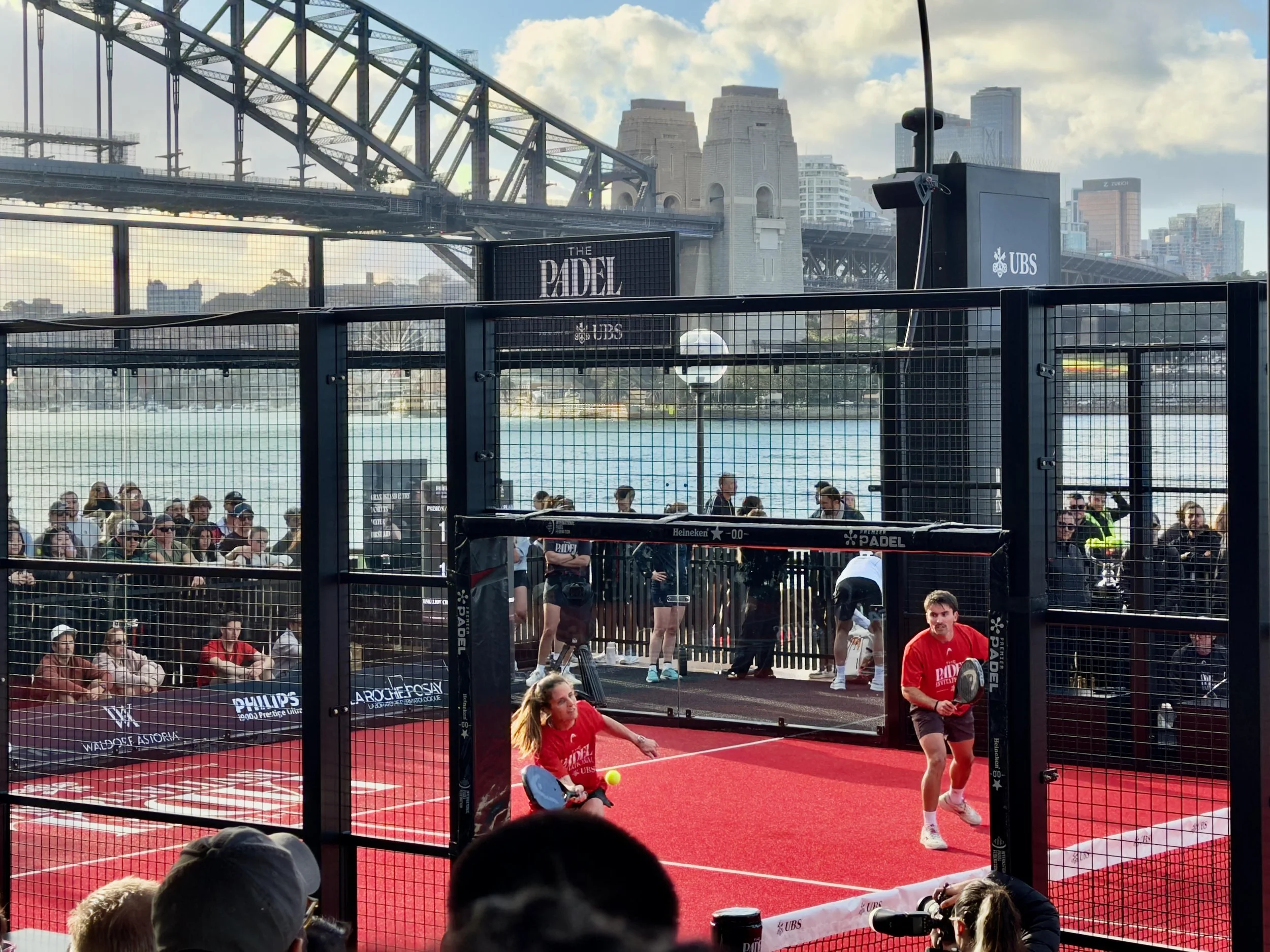
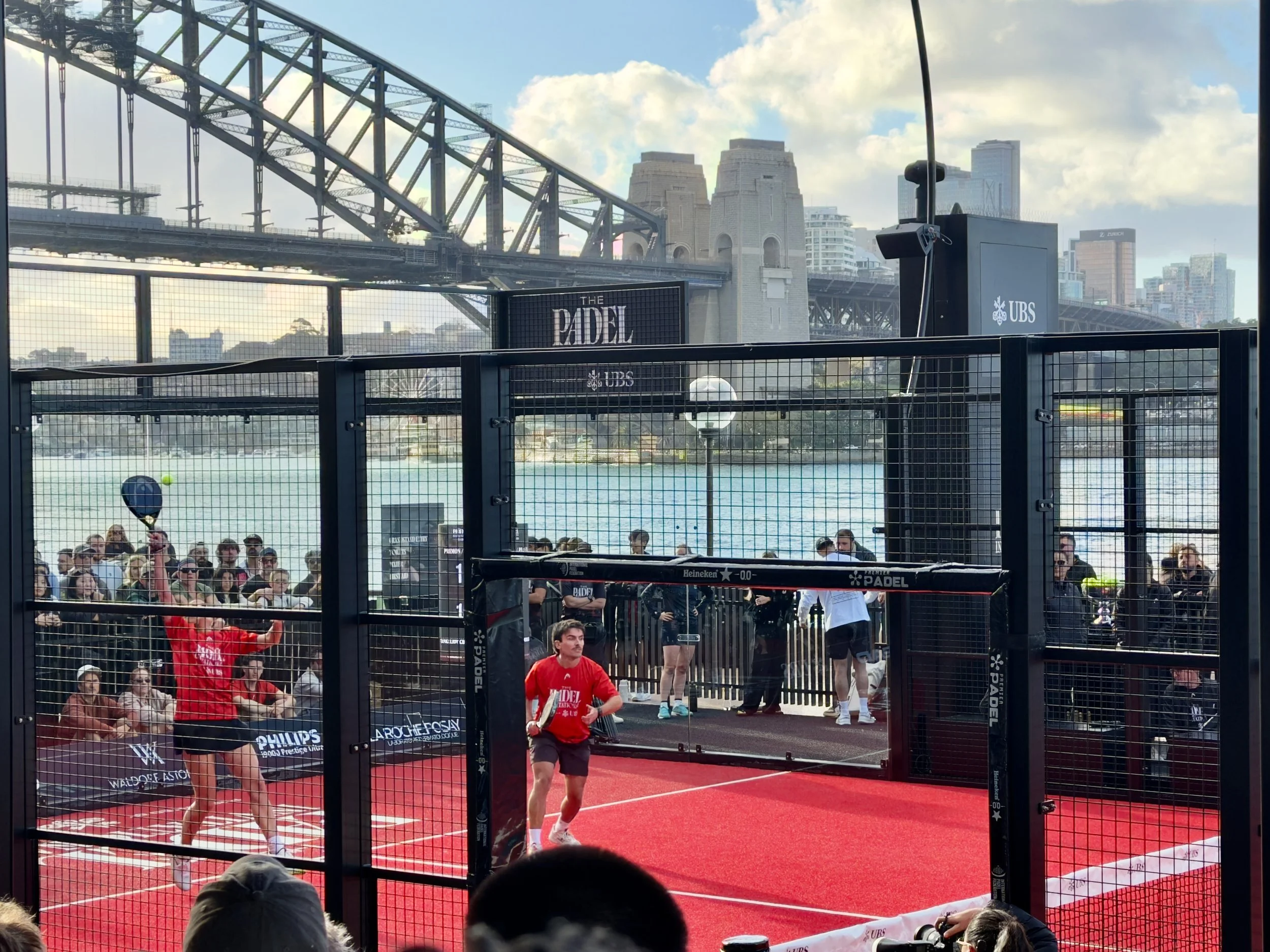
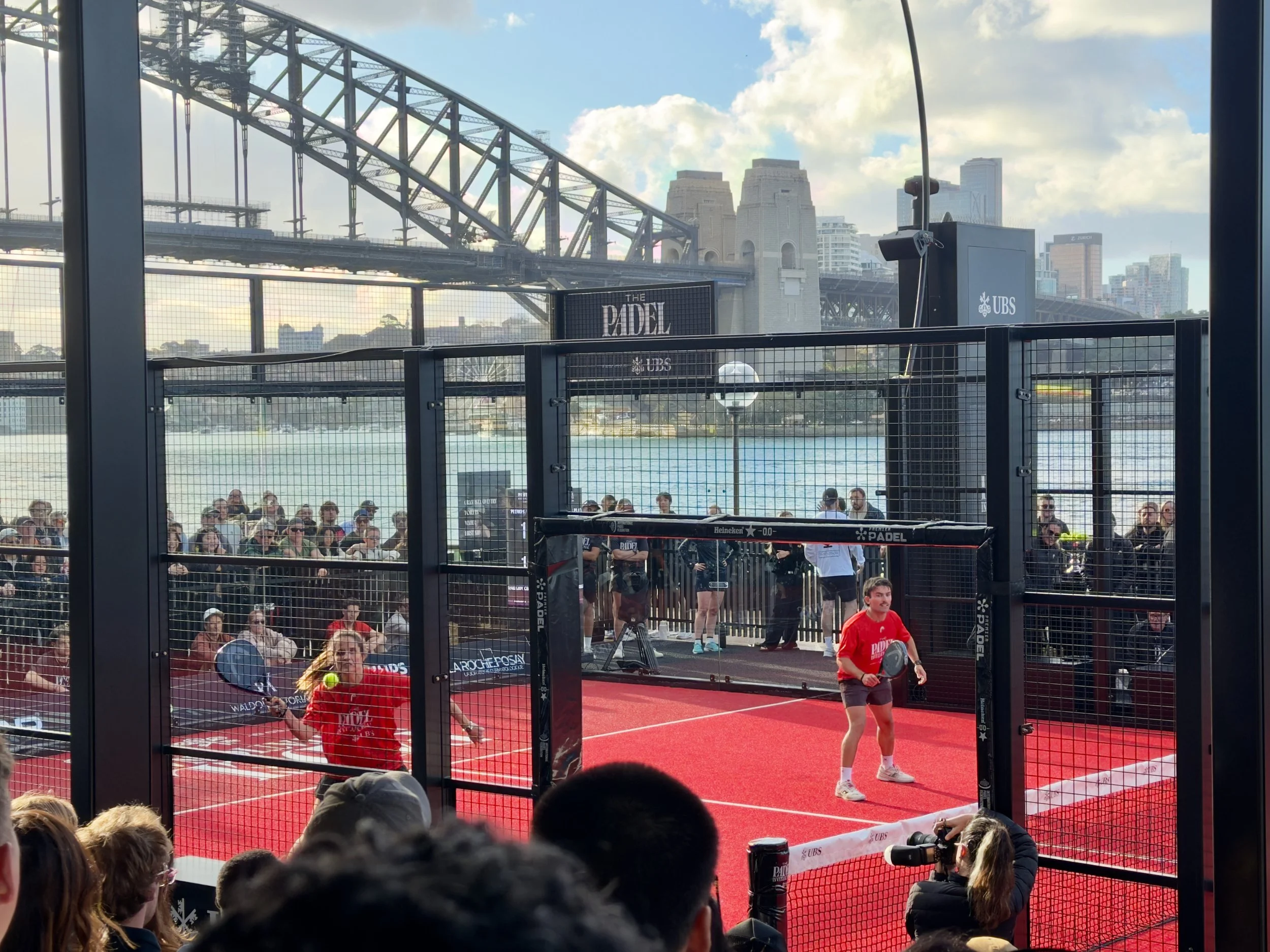
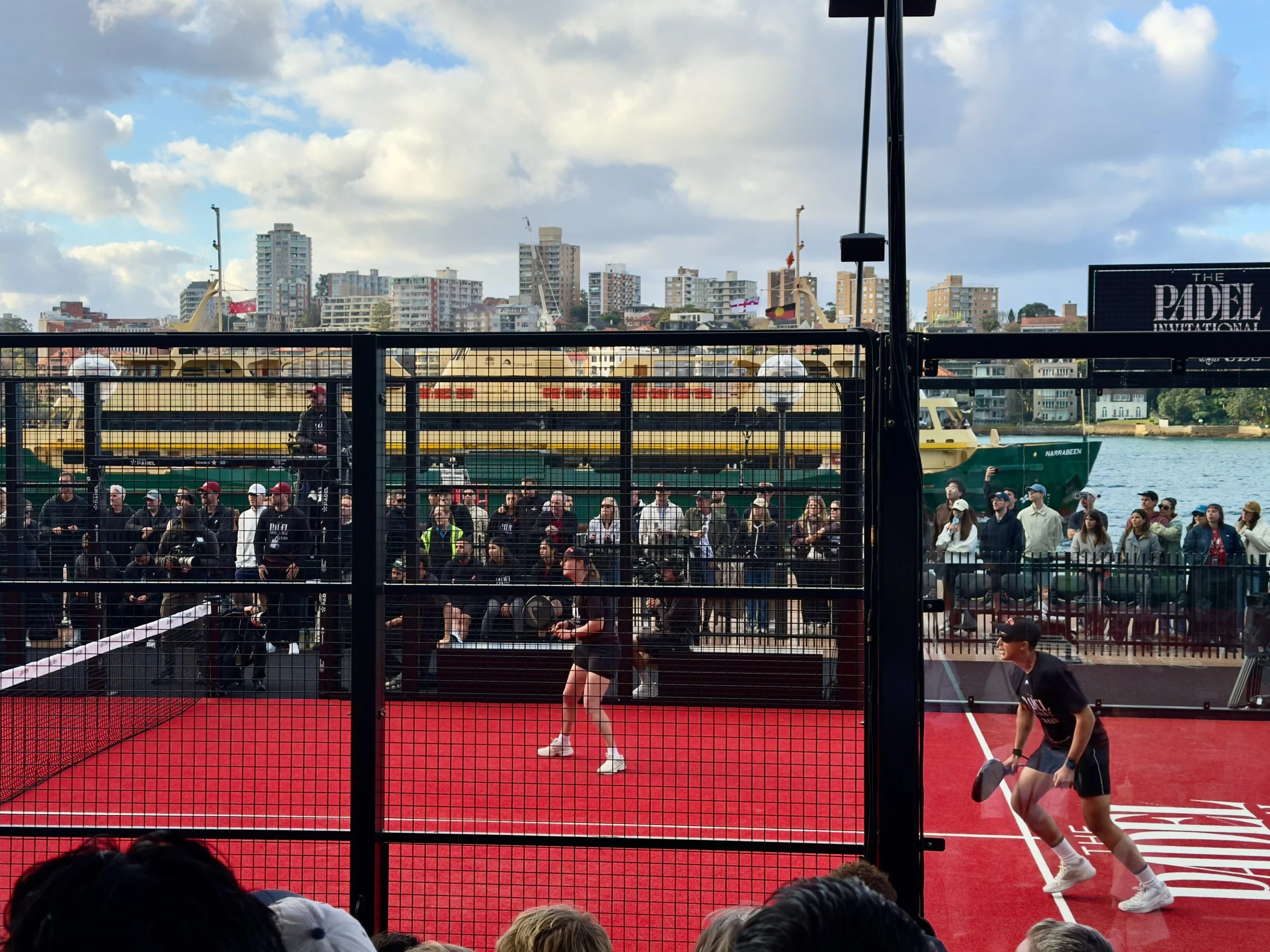
A temporary red court had been built on the Northern Broadwalk, enclosed by glass and mesh, with the Harbour Bridge behind it and ferries and sailing boats moving constantly across the harbour. I had seen temporary courts dropped into unusual places before. Years ago, I remember seeing squash played in Martin Place. I could not tell you now who was playing or who won, but I still remember the court.
This felt like one of those occasions.
My understanding of padel was fairly basic. Tennis mixed with squash was the easiest description, although tennis itself has never held much interest for me.
There was another concern. The program ran for most of the day.
I had a $30 ticket and, looking at the schedule beforehand, seriously considered turning up only for the later sessions. The matches did not appear likely to be particularly long, and the prospect of spending something like six hours watching a sport I barely understood came with a fairly obvious question: was there really six hours of this in me?
When I arrived, the shaded temporary grandstand was about a third full. There were plenty of seats available, but I took one in the back row anyway. Back row is always better. From there I could see the whole court, the crowd around it and the harbour beyond.
I did not move from that seat for the rest of the day.
The opening games turned out to be an ideal introduction. A group of recreational players came onto the court, and the pace was slow enough for me to start working out what was happening.
A woman sitting beside me was doing much the same thing. She clearly knew tennis far better than I did, but padel was new to her too, so between the commentary and what we could see in front of us, we began trying to piece it together.
We watched the serving and worked out that it had to go cross-court into a particular area when, once the point was underway, the ball could go almost anywhere. We wondered whether the back wall could be deliberately used as part of a shot. A few of the recreational players tried it, mostly unsuccessfully.
We also wondered about the ball itself. Was it basically a tennis ball? Was the bounce different because of the ball, because the court surface looked slightly soft under the players' feet, or because of both? We never completely resolved everything, which was fine. The game was beginning to become legible.
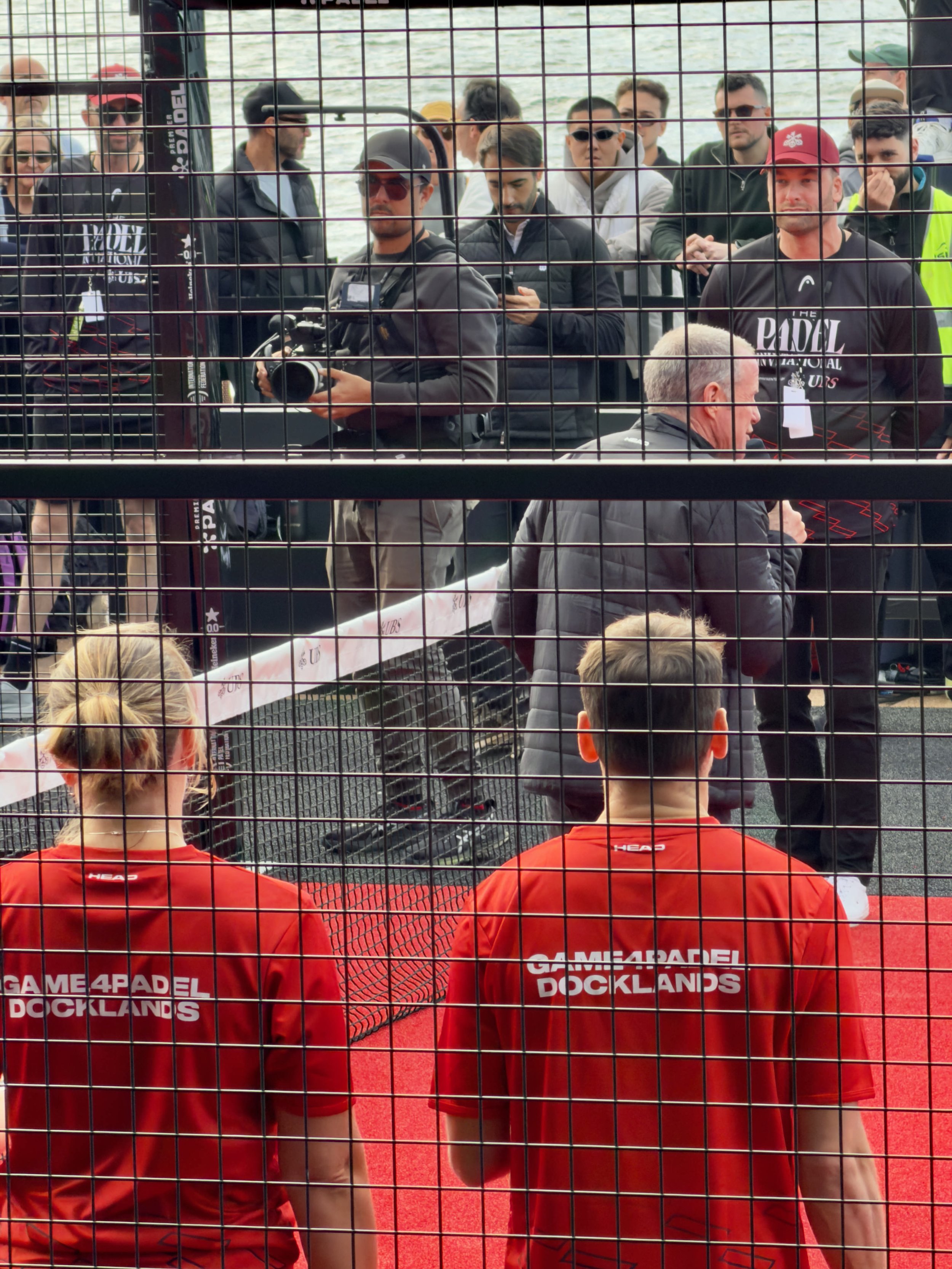
Between the recreational matches, members of the event team jumped onto the court for casual hits. Even the commentator had a go. There was some banter, more explanation of the rules and talk about the Australian competition to come.
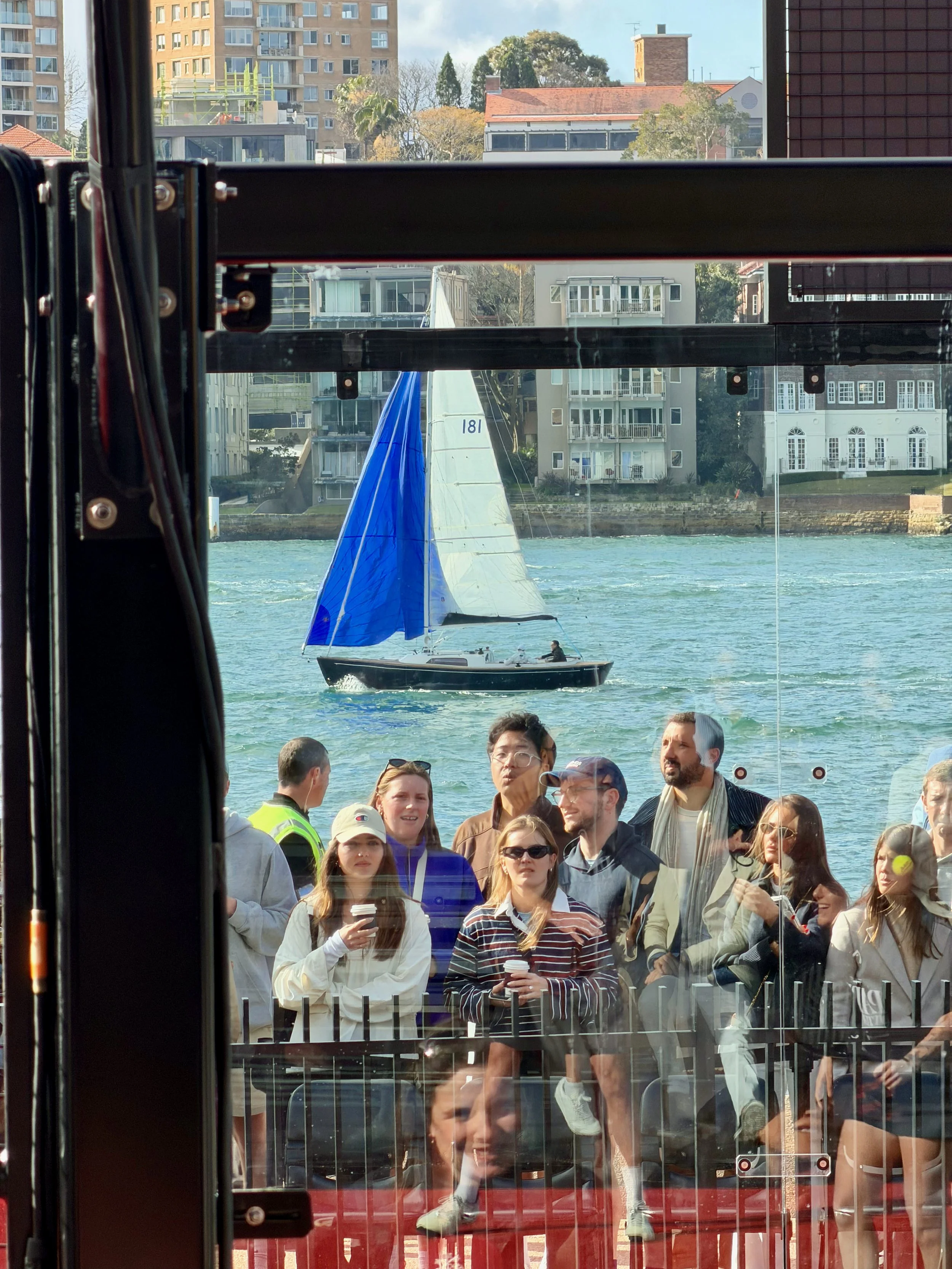
And when not much was happening on court, there was Sydney Harbour.
I can watch boats for a very long time without feeling I have wasted it. Ferries moved past. Sailing boats drifted across the water. Every so often my attention wandered from the court completely.
The crowd meanwhile was changing around me. Some spectators were wearing club gear. People knew players by name and cheered them as they appeared. Players finishing matches would come over and speak with people in the stands. From the back row it was easy to see that a fair number of people around me were not first-timers. They were connected to clubs, players or the sport itself.
By the time the international players started warming up, the grandstand had filled. People were now standing around the court as well, and the energy was different from the quiet opening. So was the padel.
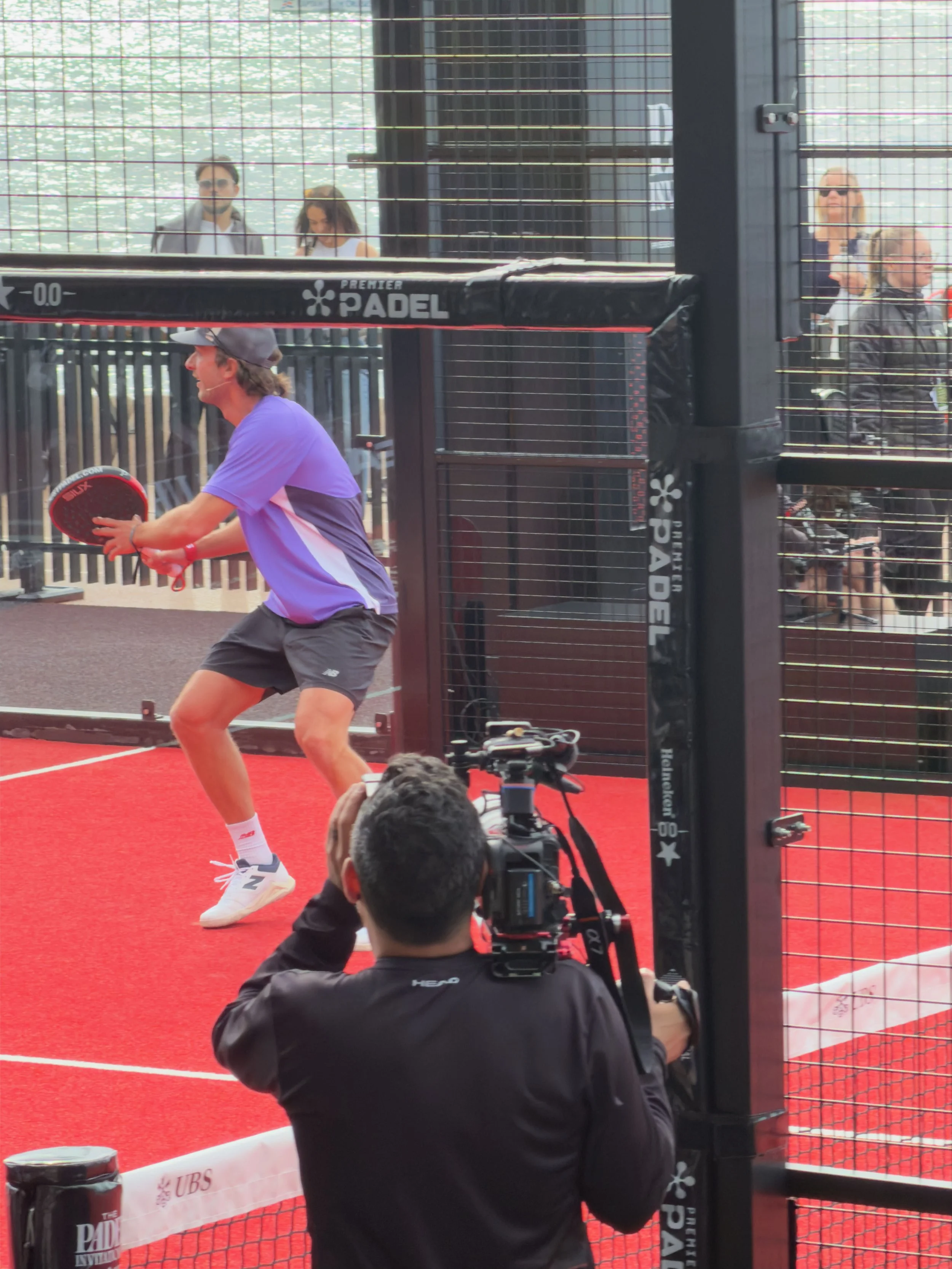
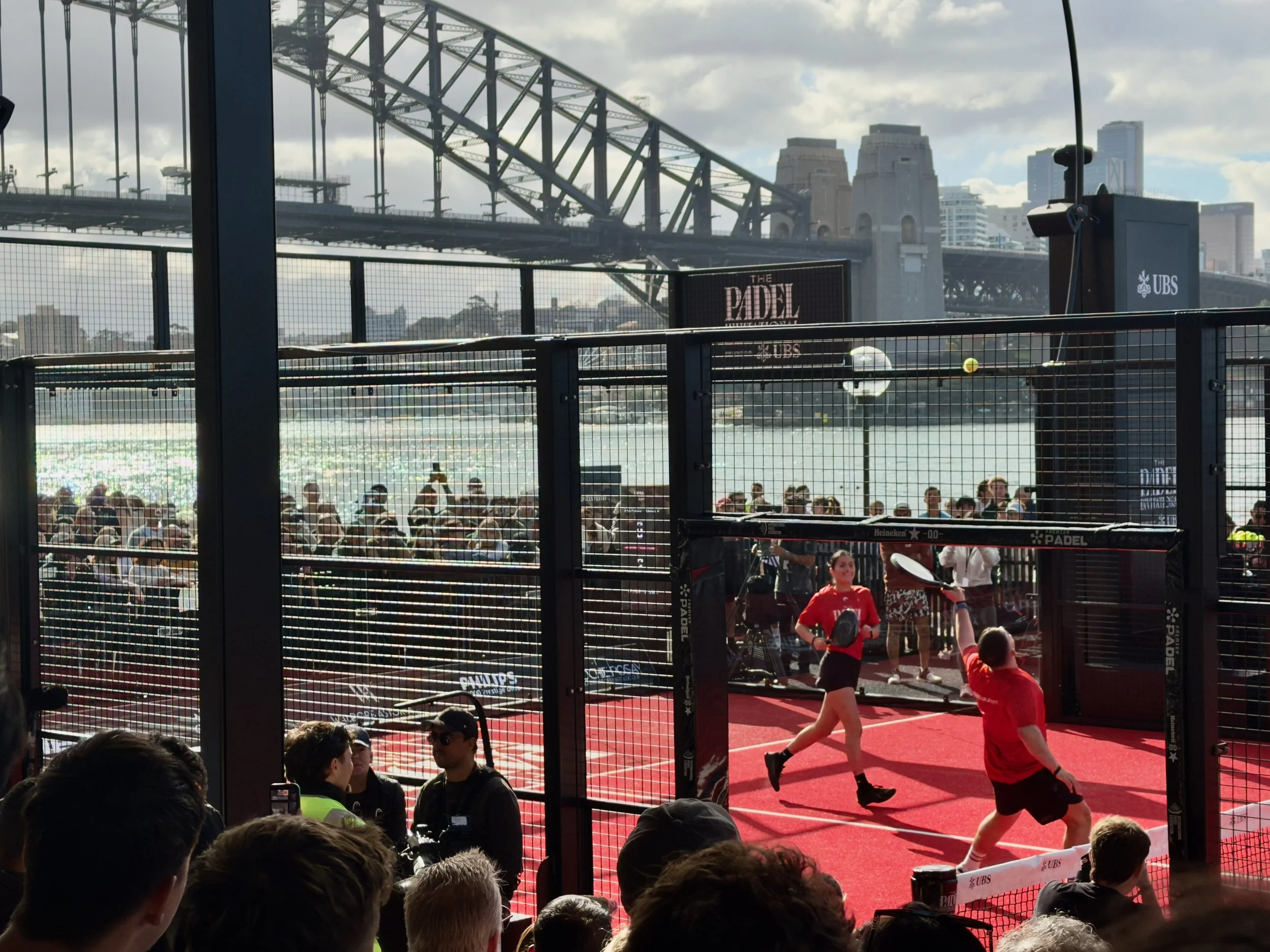
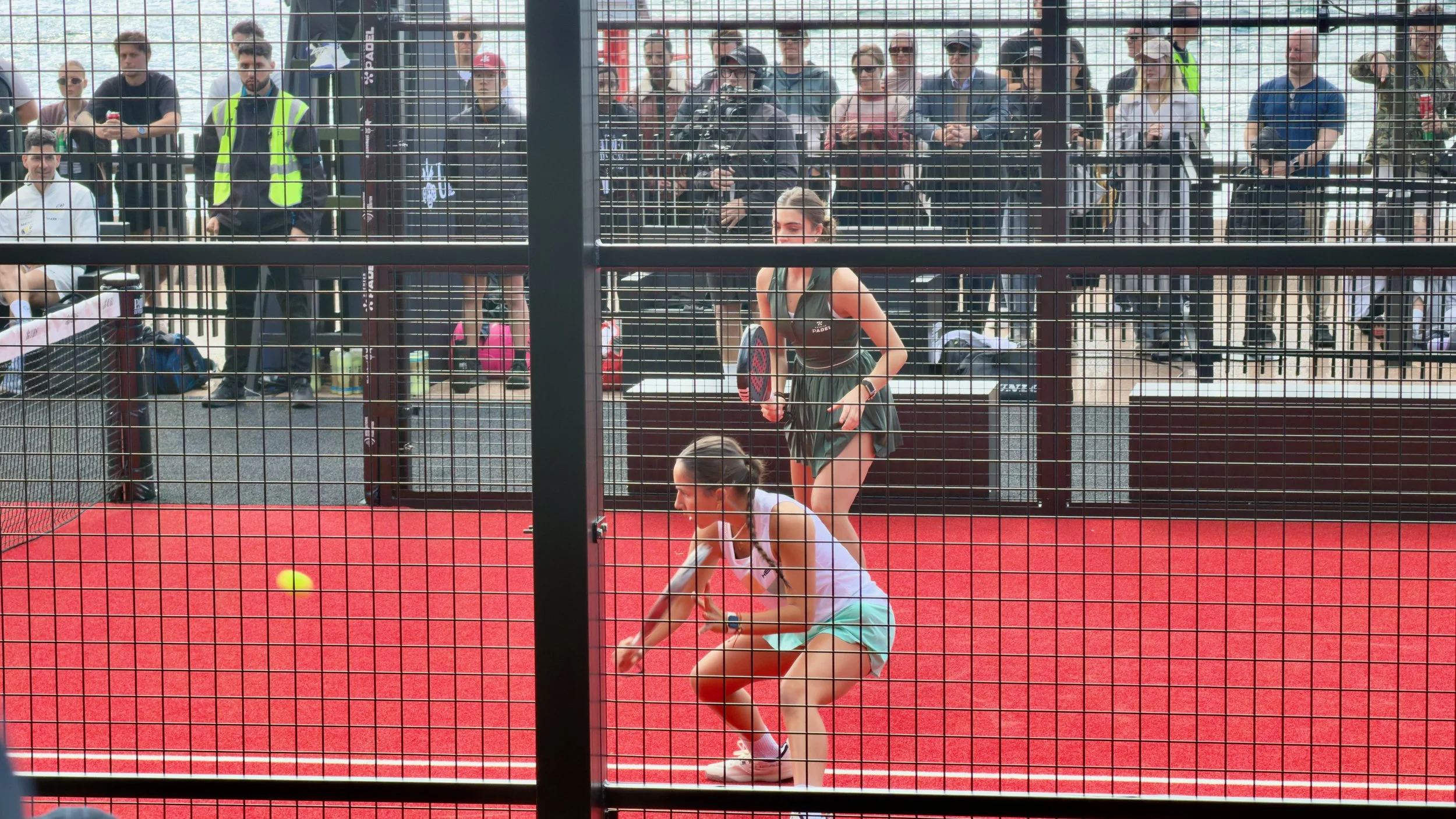
The obvious difference was speed, but it was the control at that speed that caught me. At times all four players were crowded close to the net, only a few metres apart, driving the ball backwards and forwards at each other.
Bang, bang, bang, bang. And it kept going.
The woman beside me and I reacted the same way more than once.
Wow.
There were rallies where it seemed impossible that anyone would have enough time to react, let alone control where the next shot went.
Then there were the players running outside the court. What impressed me was not simply that the rules allowed it. They were often moving before the ball had even left the enclosure. It was as if they could already see what was coming. By the time the ball bounced out through the opening or over the side, somebody was outside waiting for it.
The commentator repeated one line several times during the day: placement beats power.
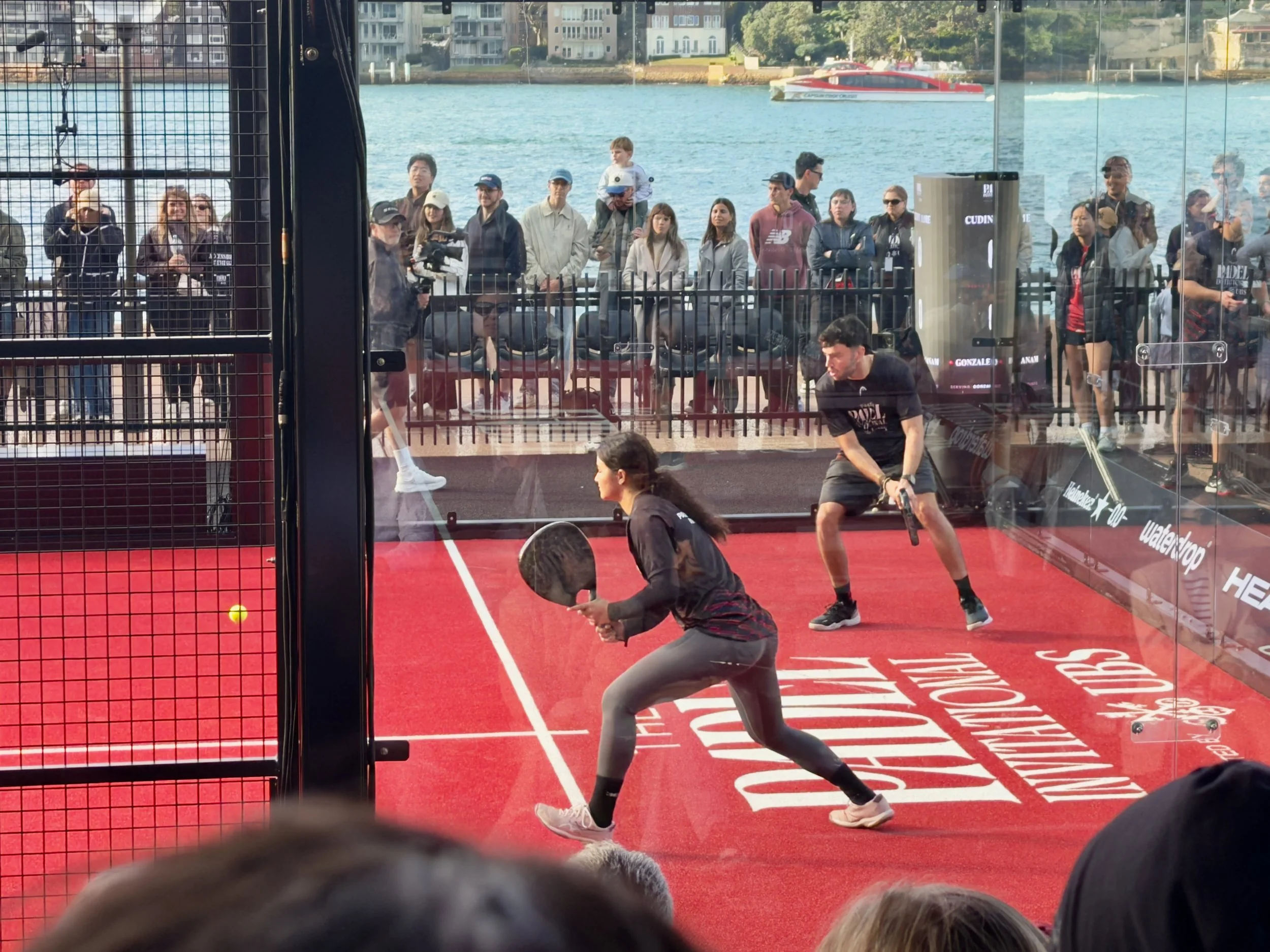
The longer I watched, the more I thought I could see what he meant. There were plenty of powerful shots that won points, but there were also balls pushed into corners where a player had almost no room to swing. A well-placed shot could do as much damage as a hard one.
At the same time, I was beginning to understand the court itself differently. The walls stopped looking like things surrounding the game and became part of it.
When the international sessions finished, the woman beside me left.
I stayed.
There was a longer break before the Australian competition resumed, perhaps 20 or 25 minutes, but by then my seat had become valuable. The grandstand was full and some people were left standing. A row of seats had been reserved for VIPs, and security regularly had to move people who tried to occupy them. There were some visibly frustrated exchanges.
Free coffees had been available during the day, and people were regularly returning with food that looked very good. Beer and other drinks were being sold as well. I had none of it because leaving the seat now seemed like an unnecessary gamble.
Instead, I put my earbuds in and checked another sport.
Australia was playing Bangladesh in a Test match in Darwin and losing badly. During the break I listened to some of the commentary and watched the score unfold. Bangladesh eventually won, and despite what my nationality probably required of me, I was quite pleased for them.
So no, I did not spend six hours staring dutifully at a padel court.
There were boats, cricket scores, people coming and going, food I chose not to buy and other things happening around me. That was part of spending the day there.
When the Australian invitational got properly underway, the VIP area filled as well. Thirty-two invited teams had been part of the competition, with clubs from Sydney and around the country working through the draw towards the championship match.
By then I realised I was watching differently from how I had in the morning.
One pair in particular made that obvious. The commentary mentioned the woman's strong tennis background, and she looked particularly comfortable close to the net, blocking and redirecting balls with very little wasted movement. Her partner operated more from deeper in the court and provided much of the power.
Earlier that morning I had been trying to work out whether a particular shot was even legal. Now I was watching where two players stood in relation to each other.
By the Australian competition, I could at least recognise some of the ingredients I had been watching all day: power, placement, anticipation and teamwork.
The day itself kept changing too. The sunshine remained, but the wind began to pick up later in the afternoon. Players and commentators talked about how much better the conditions were than the rain on Saturday and how the outdoor conditions affected the ball.
Around the court, cameras and photographers seemed to be everywhere, but by then there was always something else competing for attention anyway.
By late afternoon I was tired, but I had never reached the point I had worried about that morning.
I arrived thinking padel was probably tennis mixed with squash. By the time I left, that comparison felt less useful than it had at 10 o'clock.
What I suspect I will remember years from now is not a score or even a particular player.
It will be the court: red surface, black mesh, a full little grandstand, Sydney Harbour beyond it, and the same back-row seat I had chosen when most of the place was still empty.