Six Games one Story
The schedule promised six games of water polo. By the time I walked out of Sydney Olympic Park nearly ten hours later, it felt as though I had watched just one.
Not because the games blurred together. Quite the opposite. Each stood on its own, with its own teams, supporters and stories. Yet somehow the entire day behaved like a single event, slowly gathering momentum before reaching its natural climax and then, just as gradually, unwinding again.
The first hint came when I found my seat.
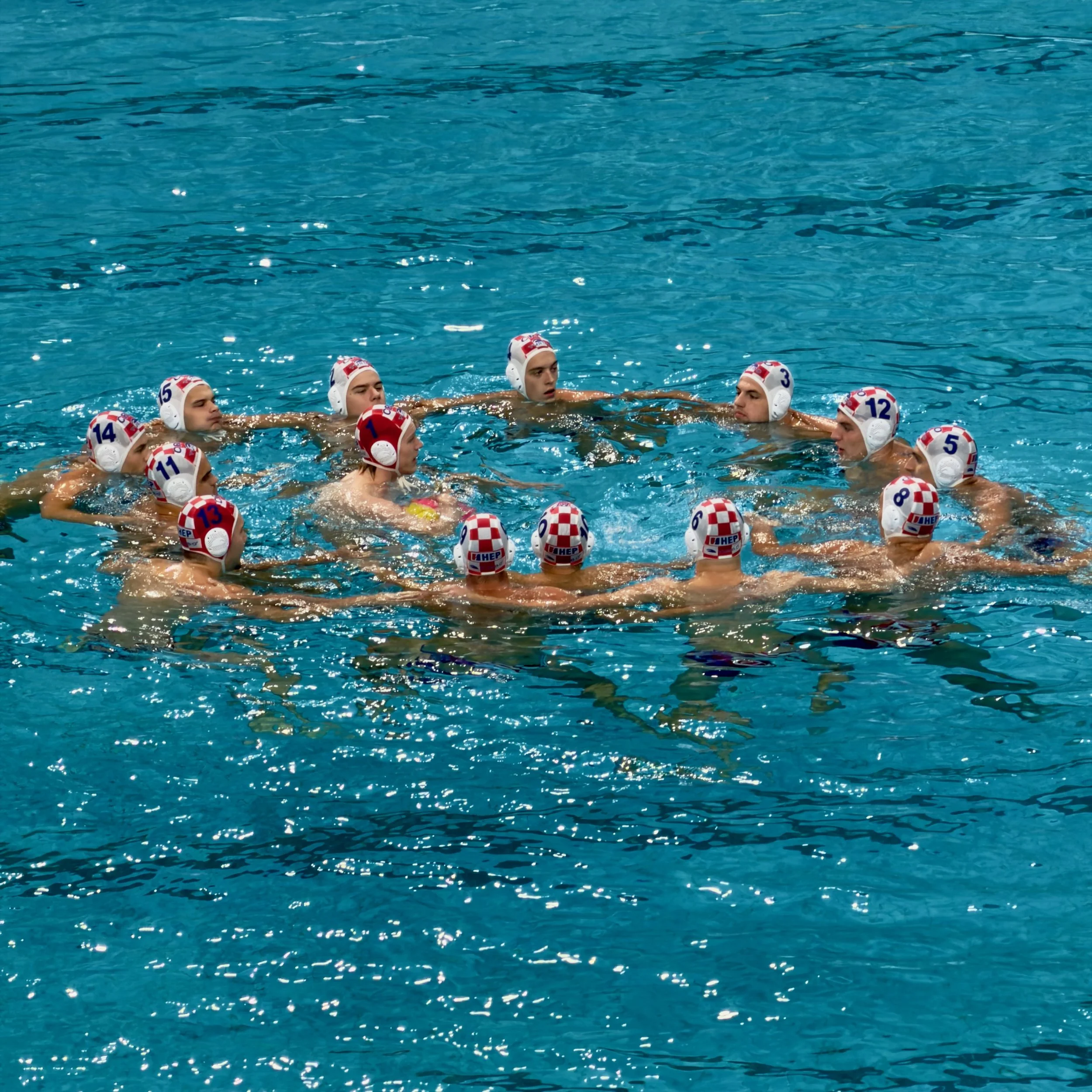
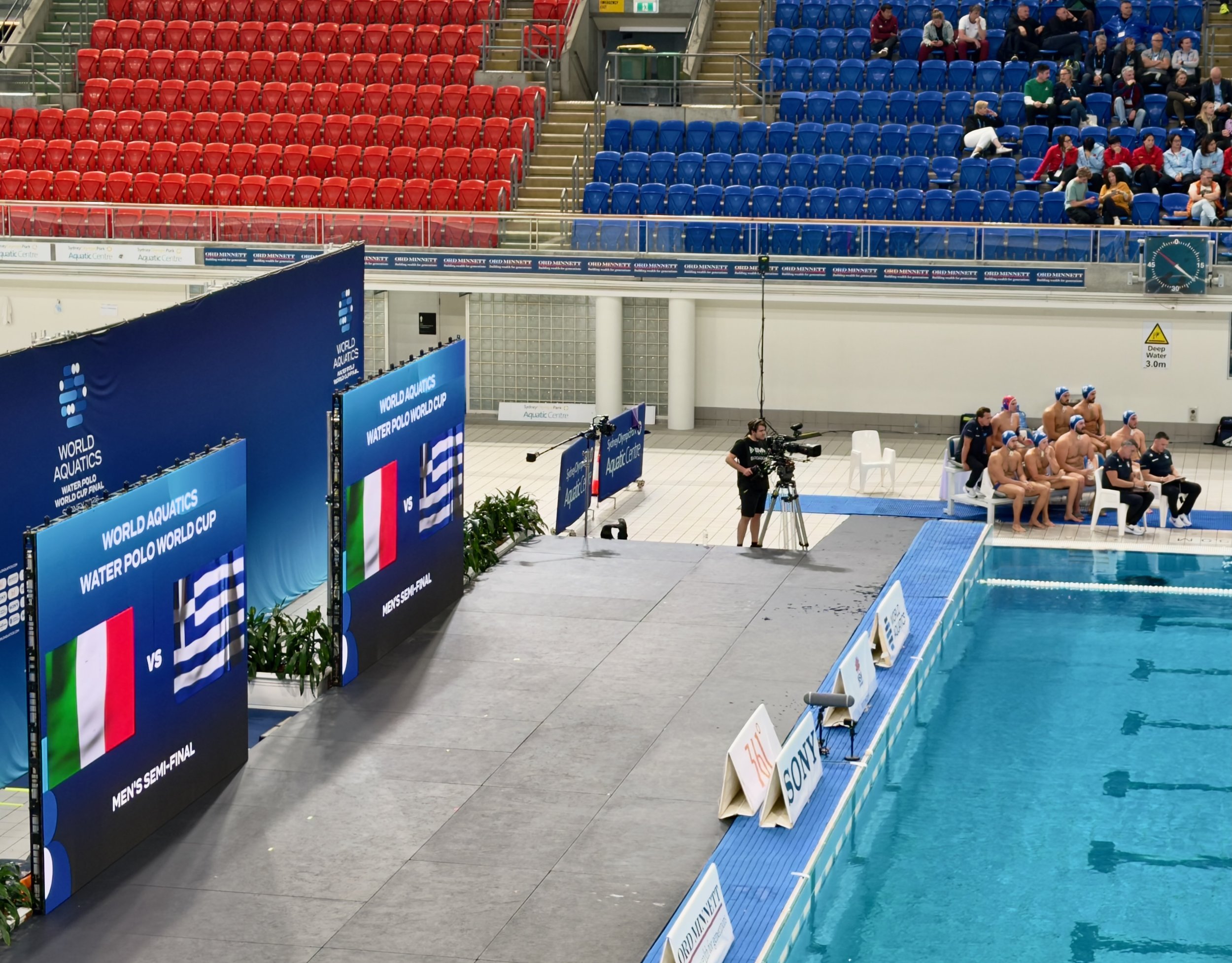
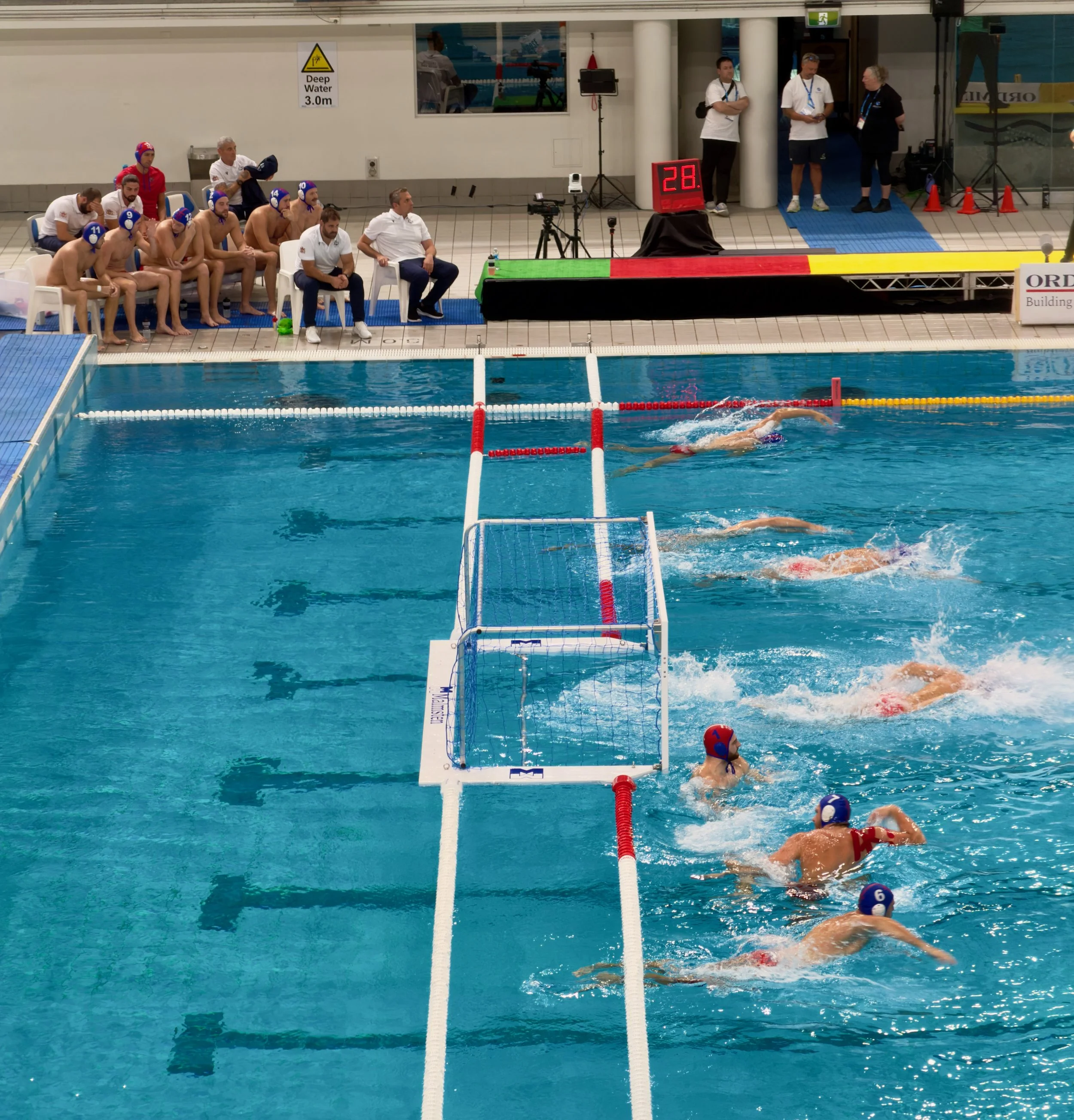
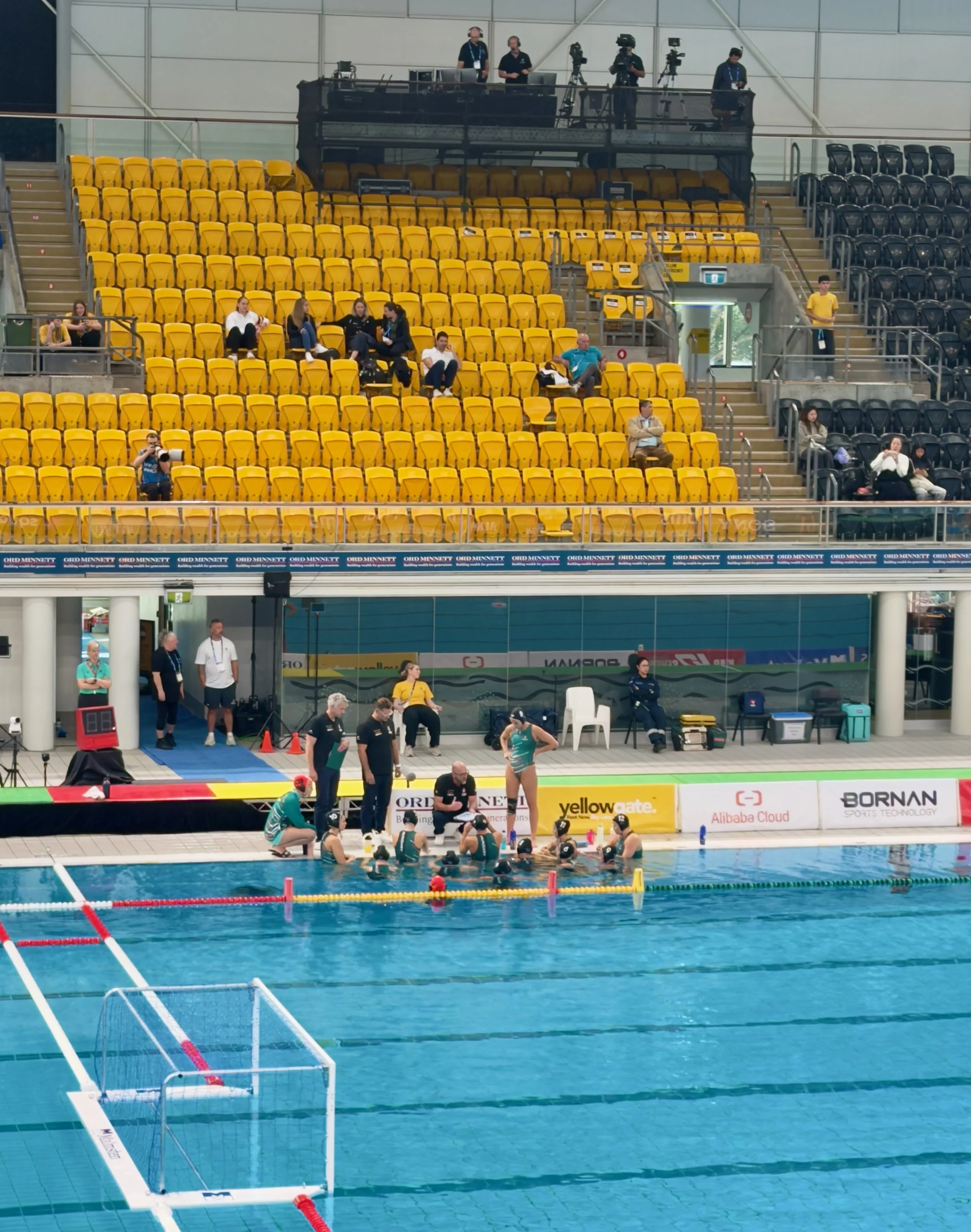
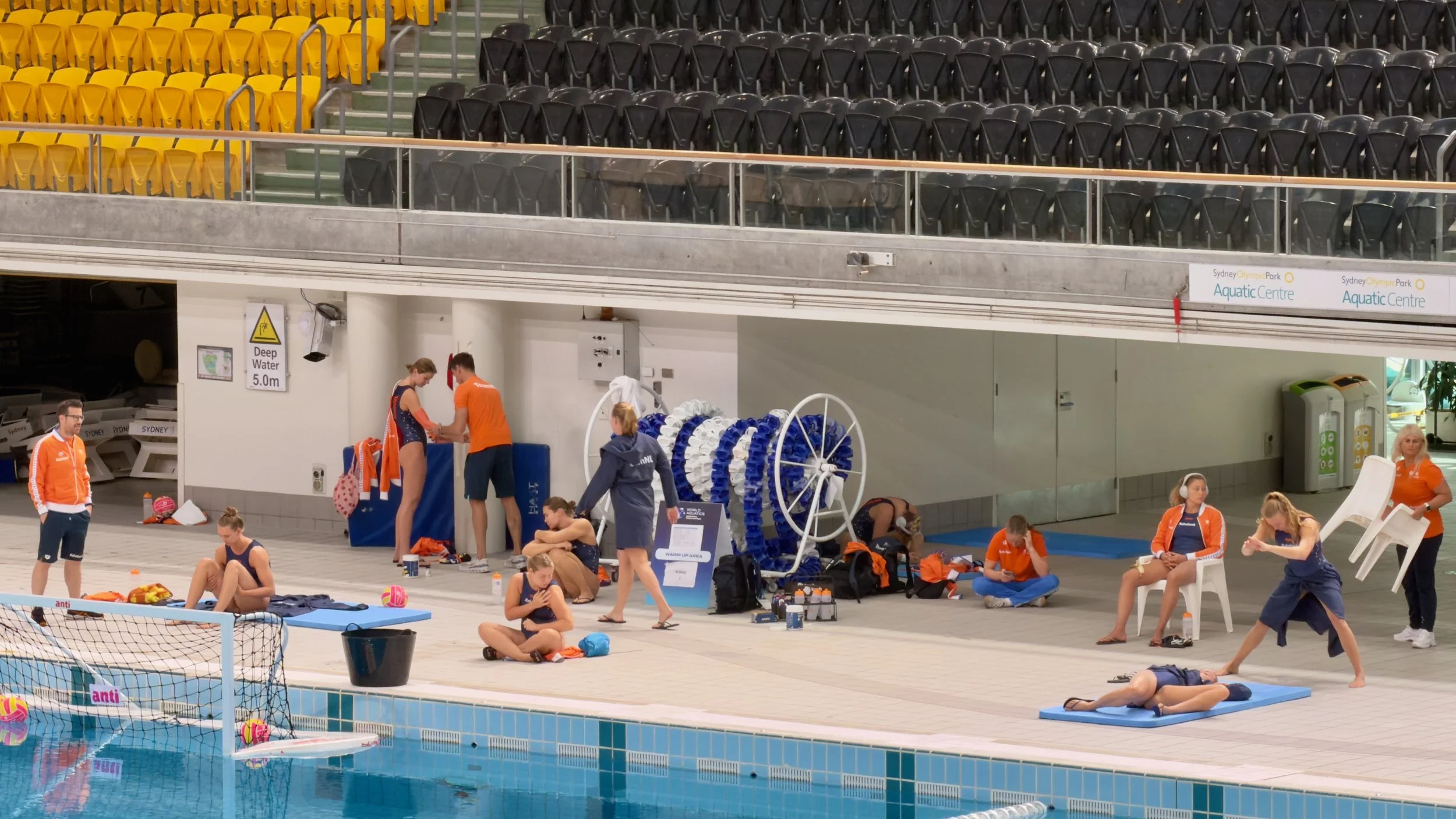
General admission was comfortably quiet. Across the pool, an entire bank of reserved seating sat largely empty, waiting for the day to catch up with it. Behind one goal, another contest was already beginning. The warm-up pool was almost as fascinating as the competition pool itself. While one match was being played, the next teams were stretching on deck, working through resistance bands, swimming laps and quietly preparing for their turn. For much of the day, there were effectively two games to watch. One unfolding in front of me, the other slowly building in the background.
It felt appropriate because that was exactly what the entire day was doing.
This was my first live water polo event. Like many Australians, I'd seen the sport during Olympic Games and Commonwealth Games broadcasts, but never sat through an entire day of it. Credit to Water Polo Australia, who anticipated newcomers like me by emailing every ticket holder a detailed spectator guide explaining the tournament, the rules and even players to watch. More sports should do that. It transformed what could have been an intimidating first experience into an inviting one.
The guide helped.
The venue helped even more.
The public address announcer never tried to dominate the day, instead offering just enough explanation to help newcomers follow what they were watching. Television coverage, replays and player introductions added polish without overwhelming the sport itself. Compared with many modern sporting events, there were no elaborate light shows or relentless attempts to manufacture excitement. It was professionally presented but remarkably restrained, allowing the contest to remain the centrepiece rather than the production surrounding it.
The biggest difference, however, came from the people sitting around me.
On one side sat a coach with more than three decades in the sport who had coached several current Australian internationals. On the other sat the father of a promising junior player. Behind me were more experienced followers who happily answered the occasional question when I turned around between quarters.
Without ever feeling like a classroom, they quietly changed how I watched the game.
What initially looked like organised chaos slowly became structure.
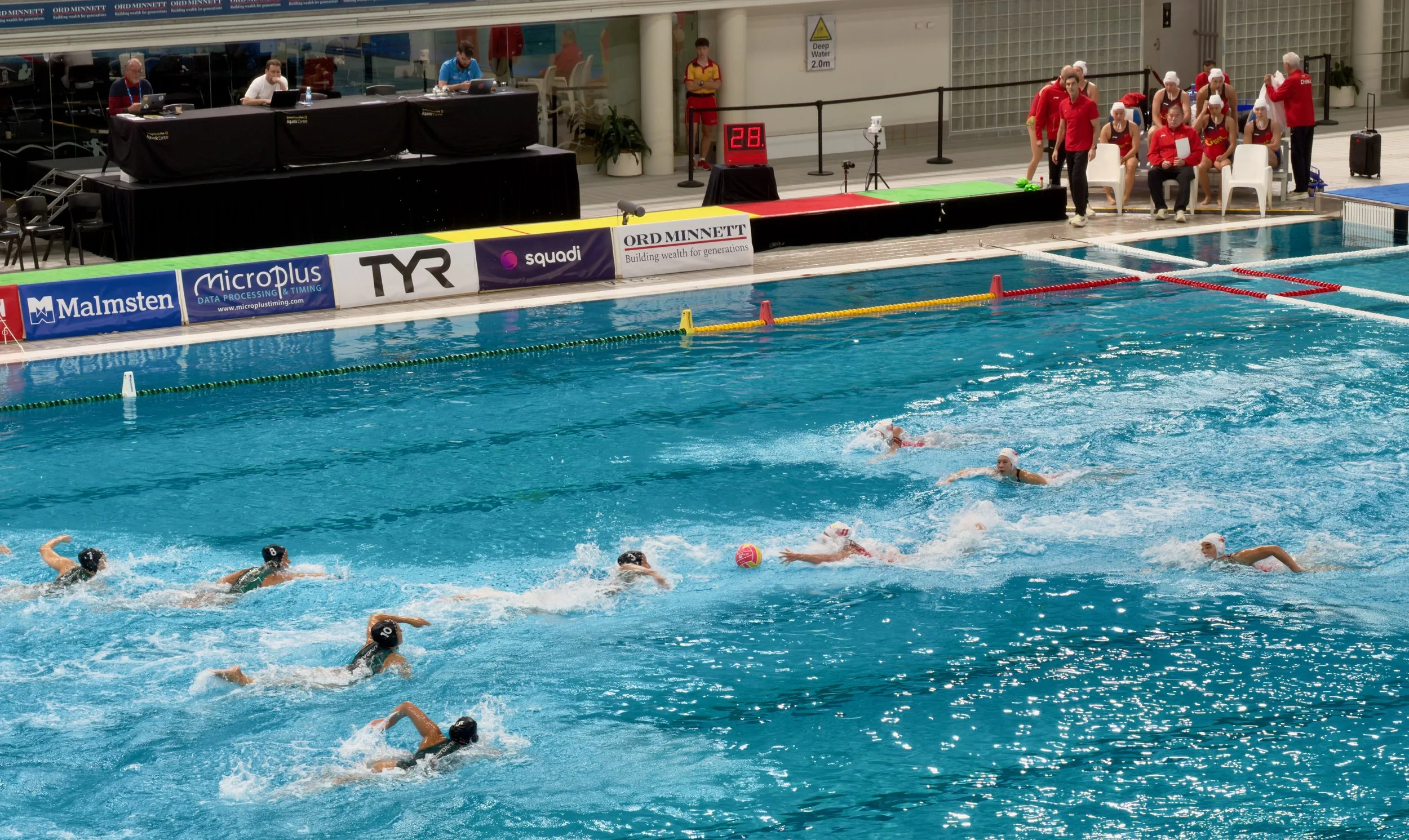
Body positioning suddenly mattered. Swimming lanes opened and closed. Exclusions weren't just whistles interrupting play but opportunities that reshaped the next thirty seconds. I found myself noticing the remarkable speed with which spare balls appeared, keeping the game moving almost continuously, while ball kids happily jumped into the pool to retrieve those that escaped over the boundary ropes. Even the now familiar cry of "Throw the bag!" from supporters urging a coach to challenge a decision became part of the afternoon's soundtrack.
As my understanding grew, so did everything else.
The reserved seating gradually filled. Officials gave way to families. Sponsors appeared. Athletes whose teams weren't even playing wandered into the stands to watch. National colours became more visible. Conversations around me became more animated. The crowd itself seemed to become increasingly knowledgeable and increasingly invested with every passing game.
The rhythm of the day was impossible to miss.
Each match mattered on its own, but together they were steadily climbing towards one destination.
Australia versus Hungary.
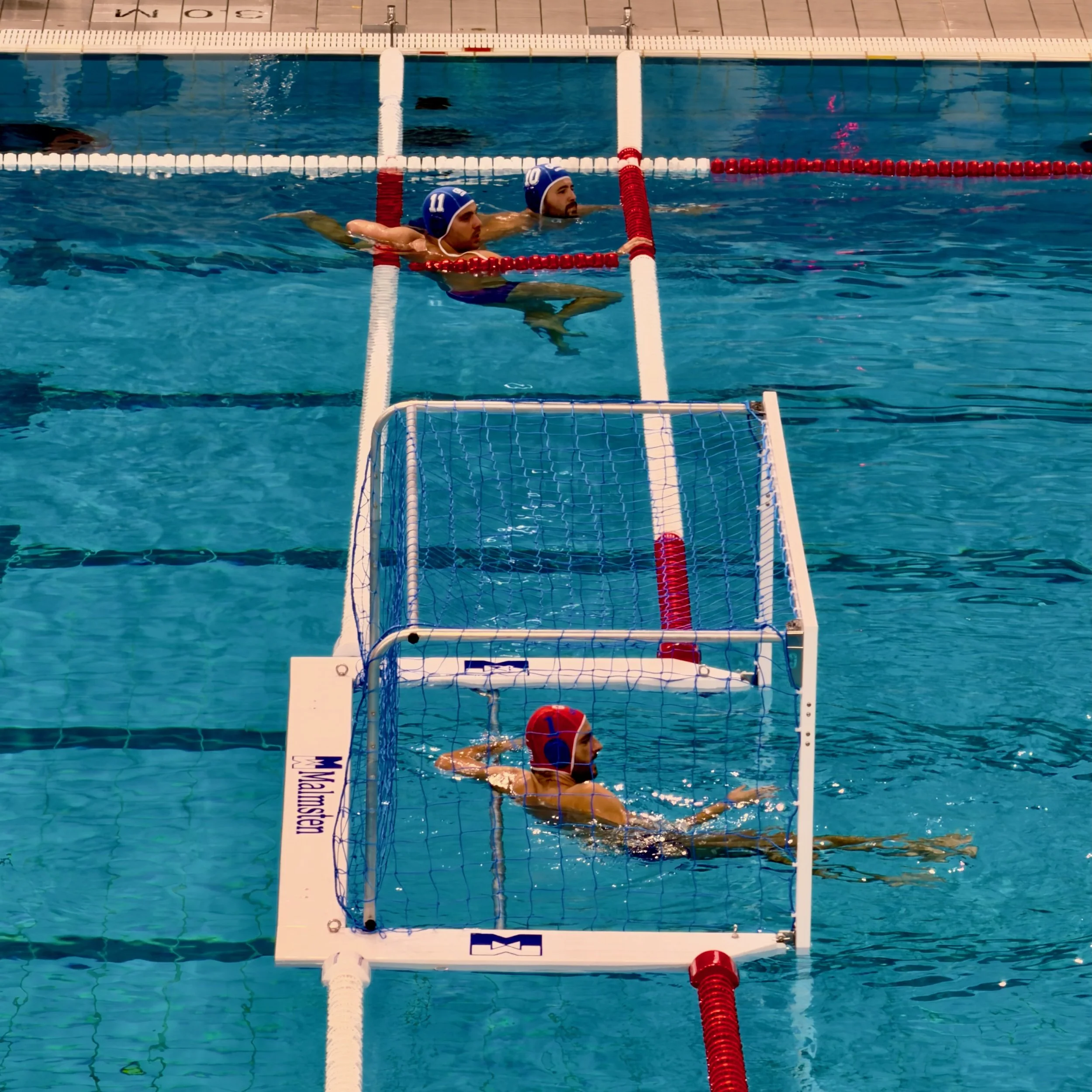
By the time the teams entered for the fifth game, the atmosphere had changed completely. Every Australian player received a full round of applause during introductions while players from other nations throughout the day had been acknowledged with the sport's wonderfully efficient two-clap rhythm. The noise around contentious referee decisions became louder, more emotional and wonderfully partisan without ever crossing into hostility. The crowd knew the game. It understood the tactics. It knew when a challenge might be worthwhile. It desperately wanted every decision to go Australia's way.
It was the emotional summit the entire day had been preparing for.
Australia fell by a single goal.
Almost immediately, the atmosphere changed.
Not disappeared.
Changed.
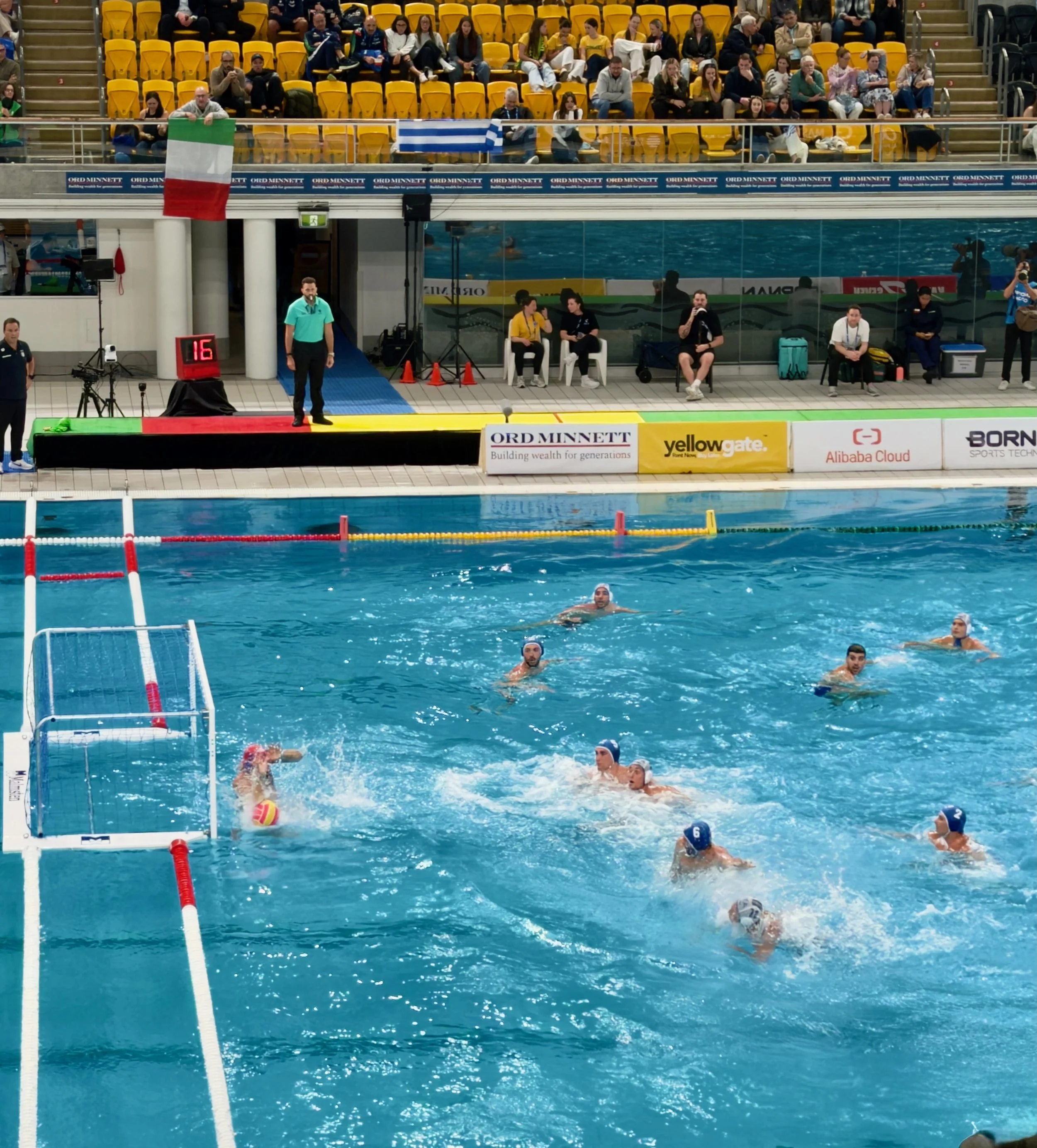
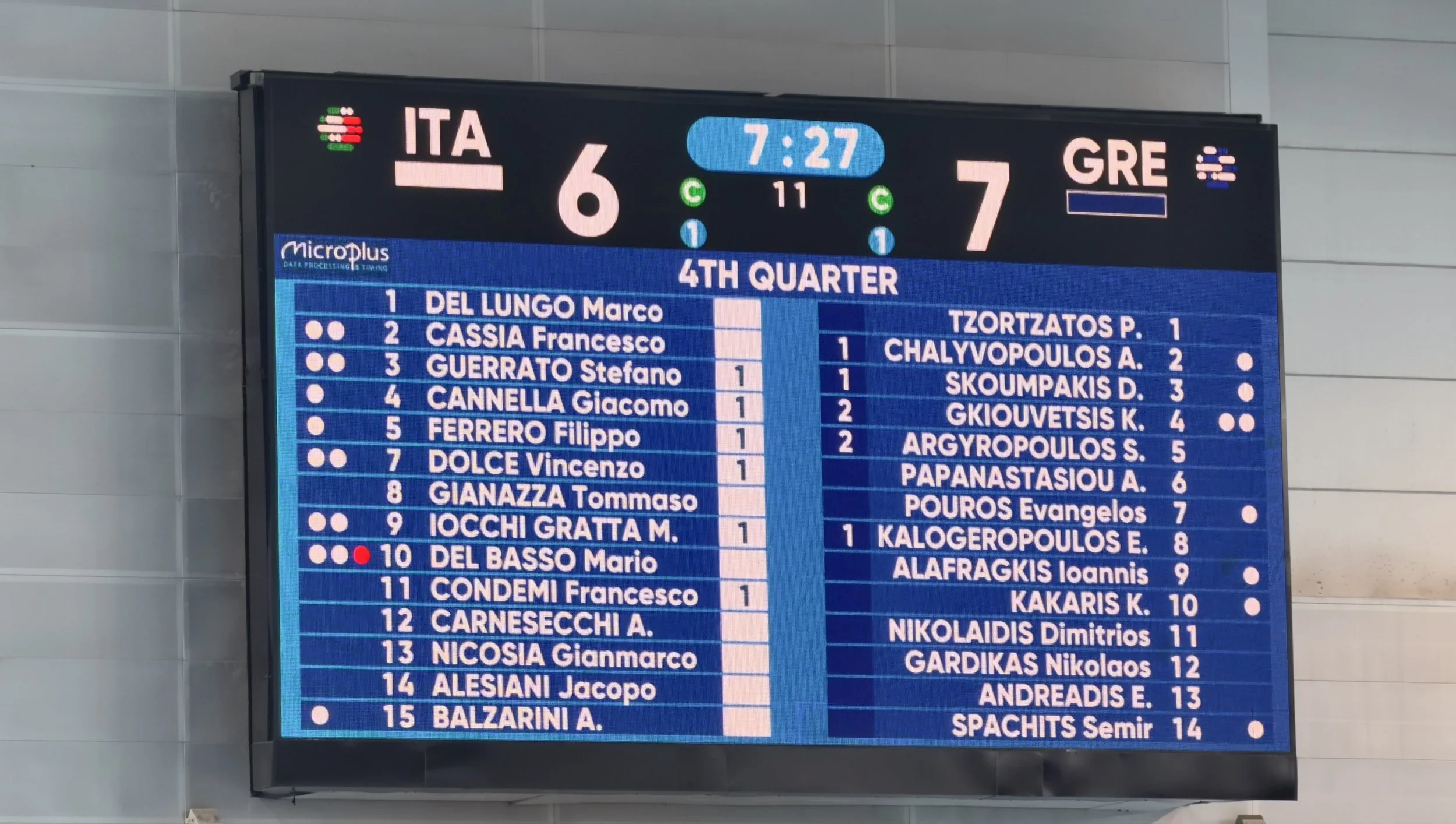
Many spectators headed for the exits, their day complete. The pressure that had steadily built for hours finally released. Yet the venue never felt empty. Greece and Italy still had a World Cup semi-final to contest, and in a city with deep Greek and Italian communities there remained plenty of reason to stay. The final game carried a different energy. Less anxious. Less desperate. Still passionate.
By the time I eventually left, I realised I hadn't spent the day watching six separate water polo matches. I'd spent nearly ten hours watching a sporting event slowly reveal itself.
The crowd changed.
The venue changed.
My understanding changed.
Everything built together until, for a couple of unforgettable hours, one game became the heartbeat of an entire day. Sometimes the schedule tells you how many games you're going to watch. It doesn't tell you how many stories you're going to experience.