Learning how to watch
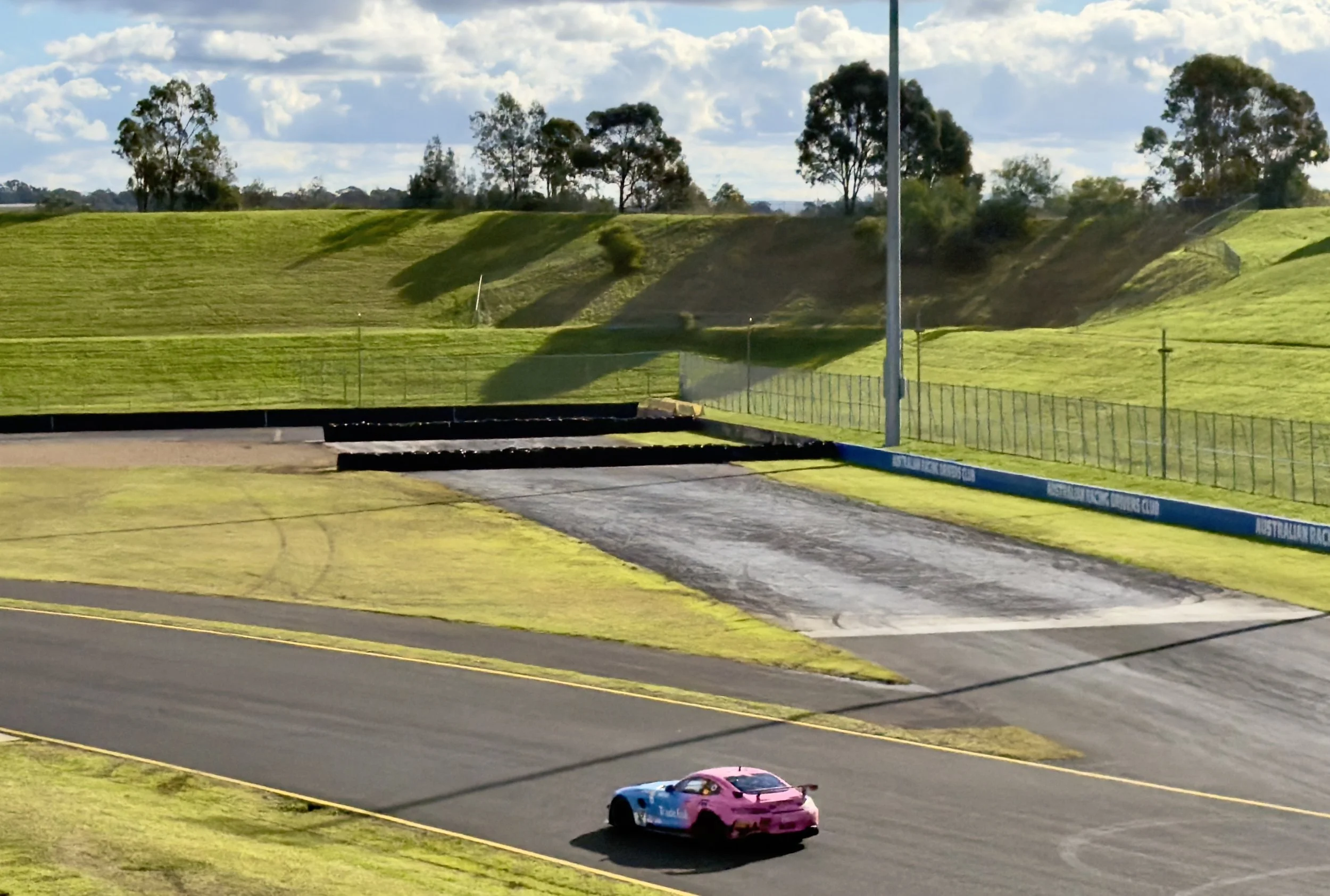
There is something reassuring about returning to a place only twenty-four hours after leaving it.
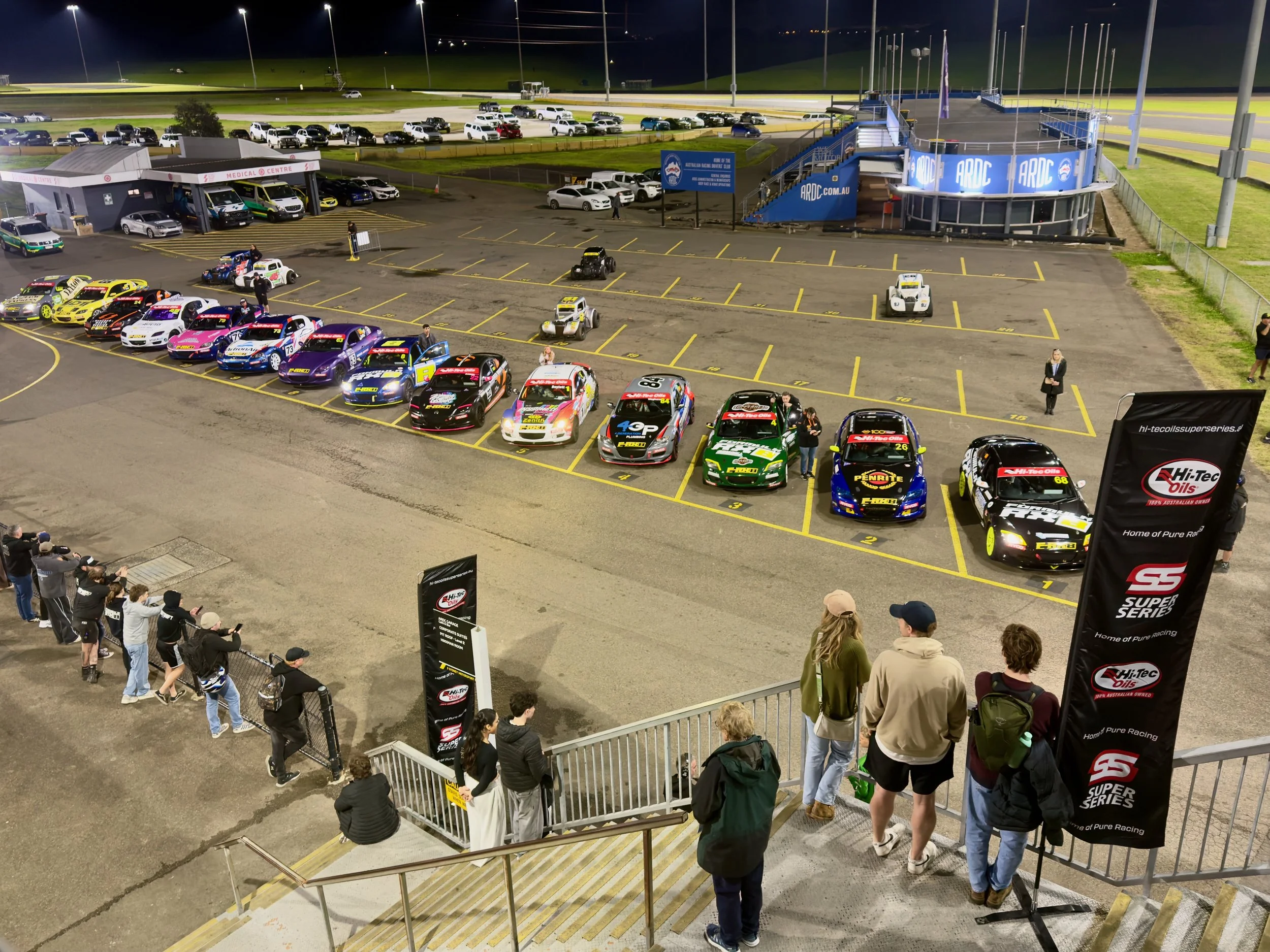
Friday night had introduced me to Sydney Motorsport Park. Wet weather, pace cars and a glimpse into the people who keep grassroots motorsport alive had left me curious enough to come back.
Saturday felt different before I even reached the gate.
The clouds were still hanging around, but the rain had gone. The winter sun had broken through just enough to take the edge off the morning chill, while every few minutes the unmistakable sound of drag racing drifted across from Sydney Dragway. Before I’d even seen a race car, another form of motorsport was quietly demanding my attention.
I found myself making a mental note. I’ll be back here in a few weeks. Just across the road. For now though, I had almost twelve hours ahead of me at Sydney Motorsport Park.
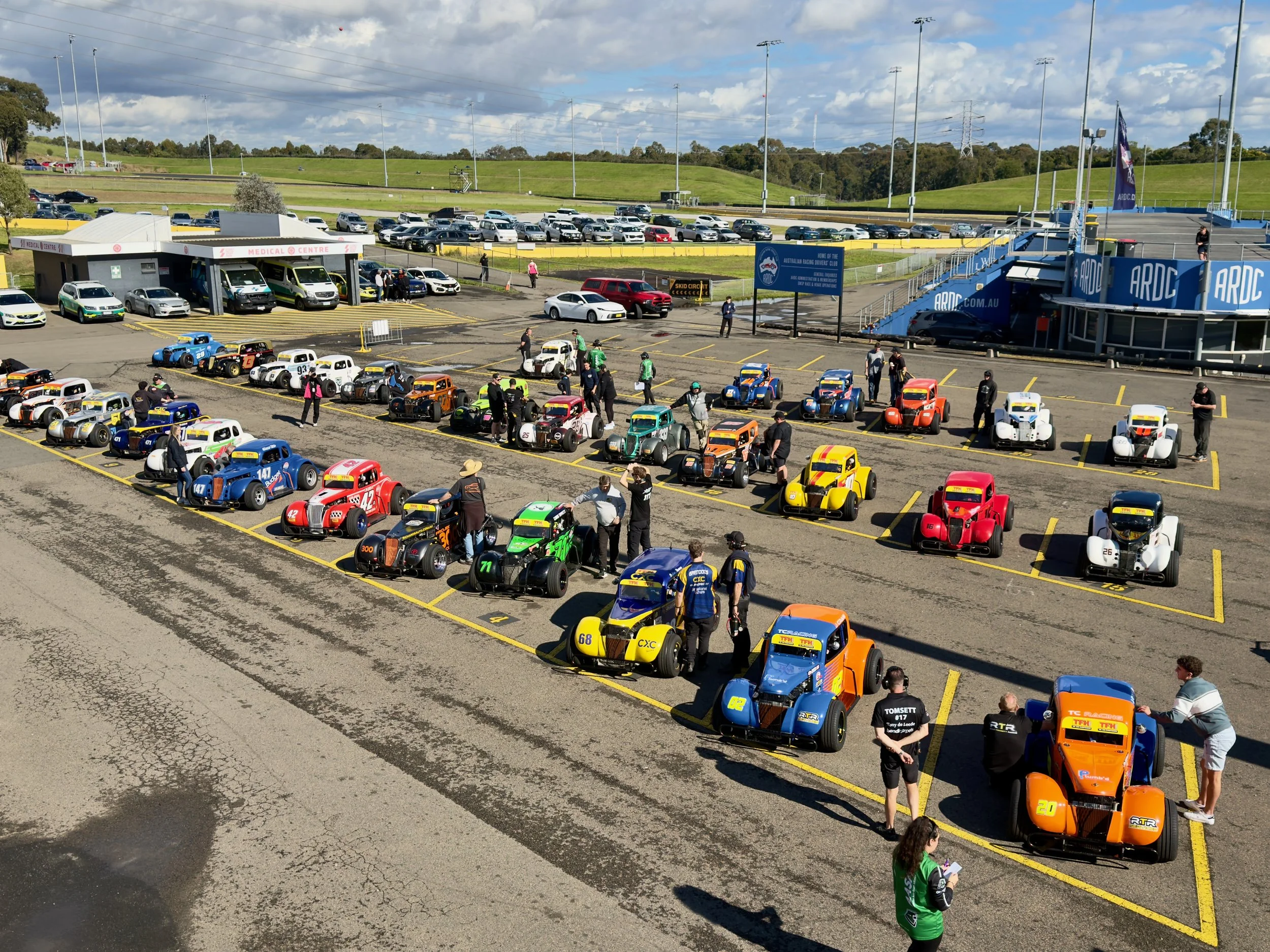
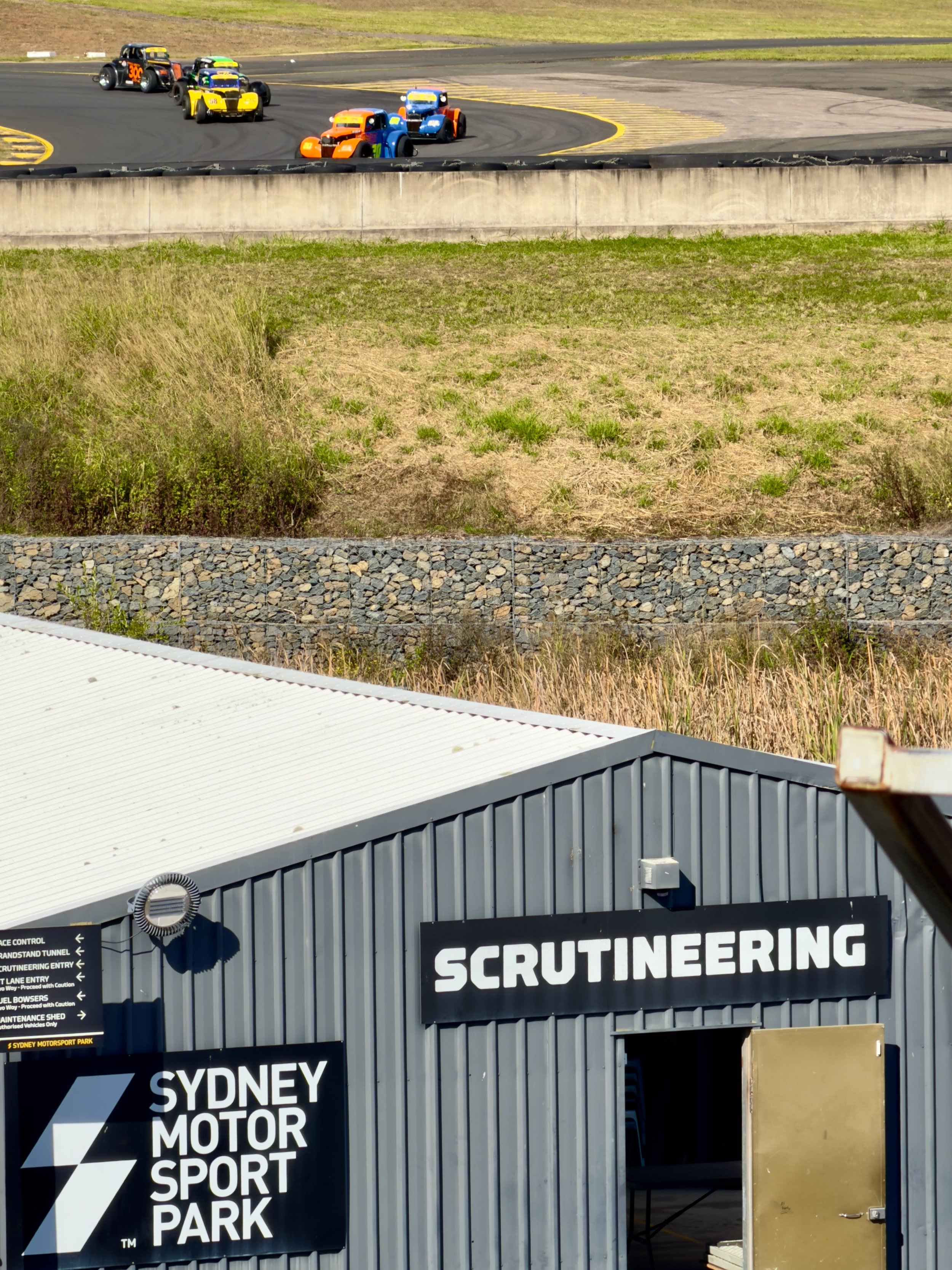
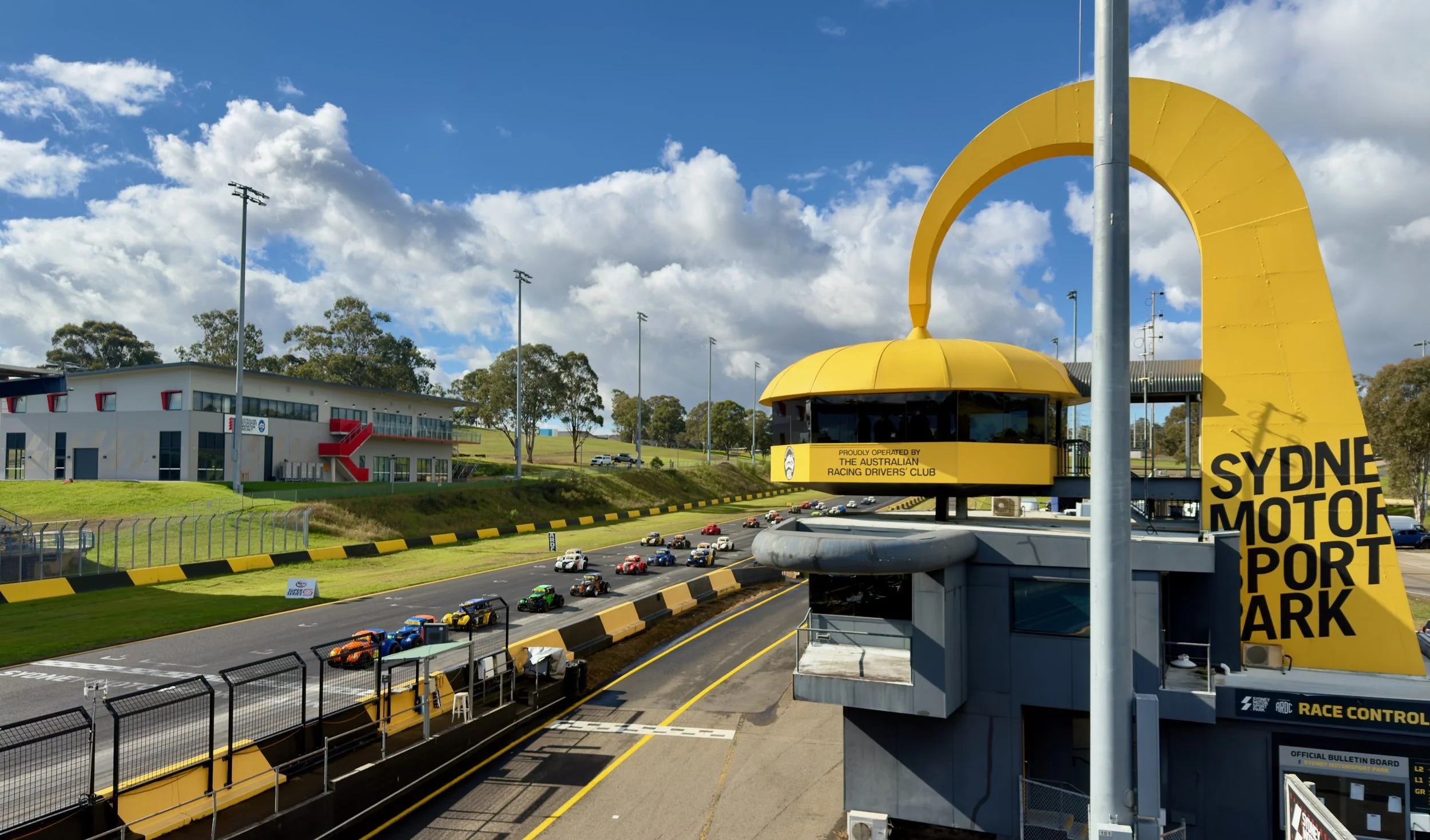
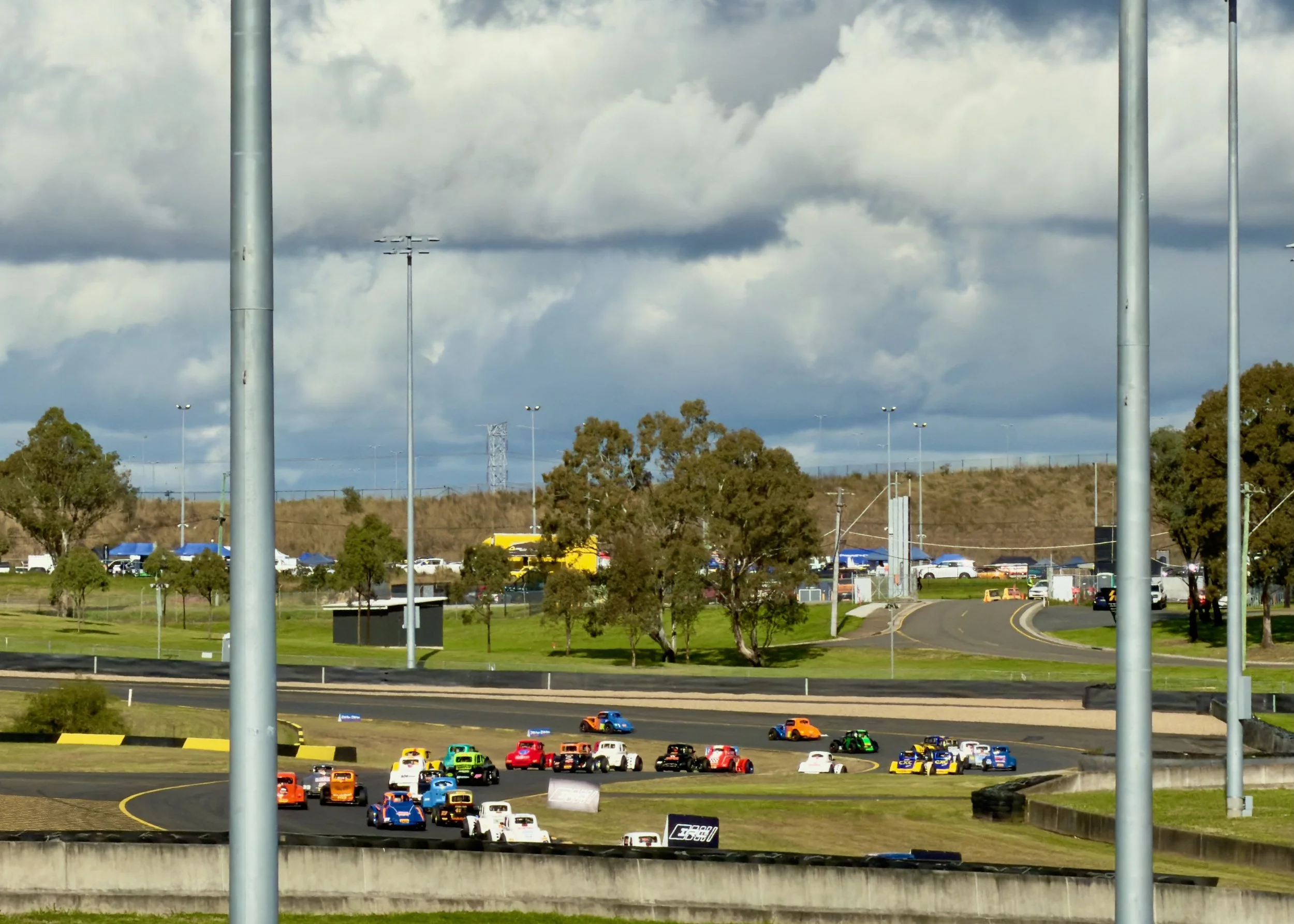
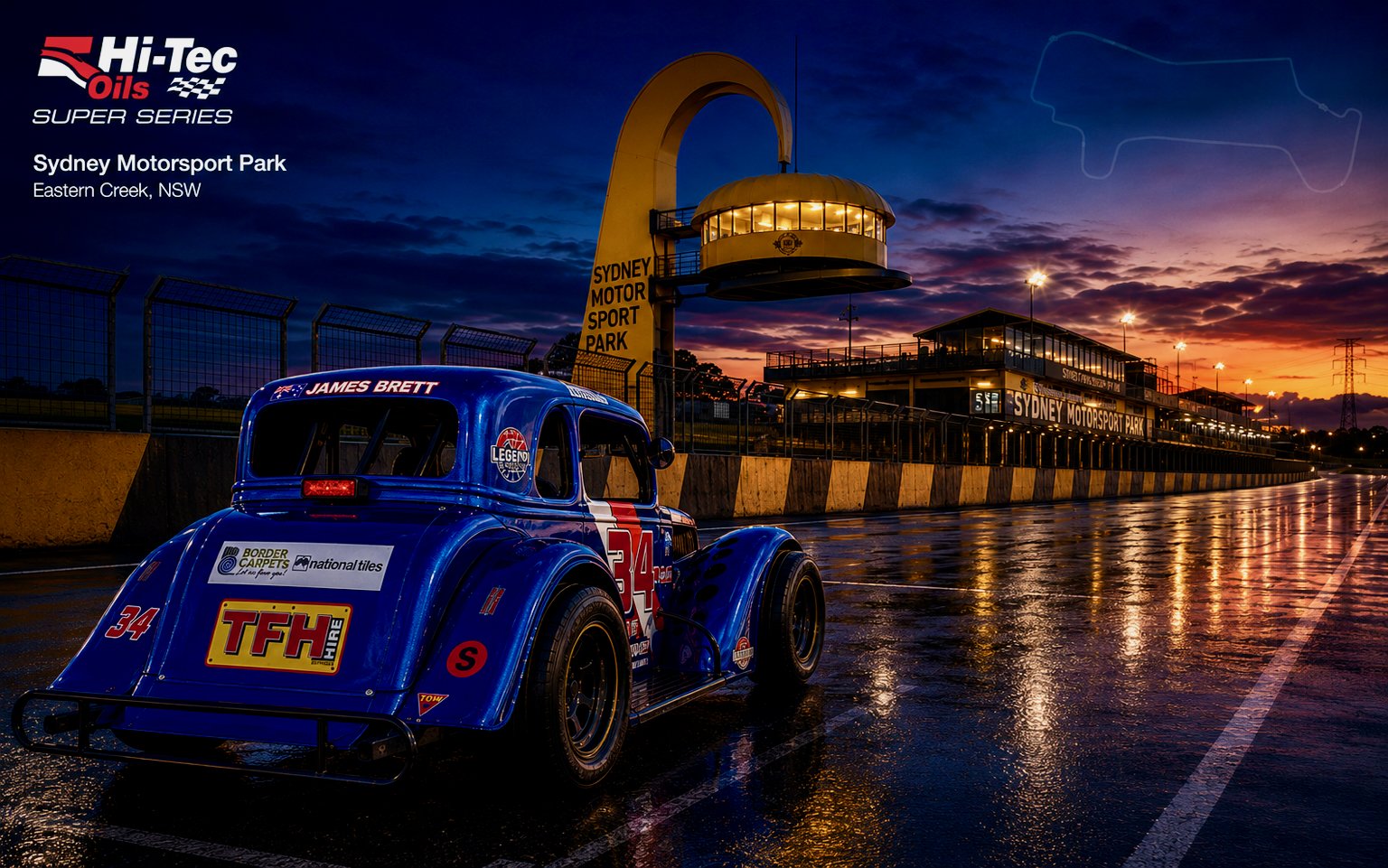
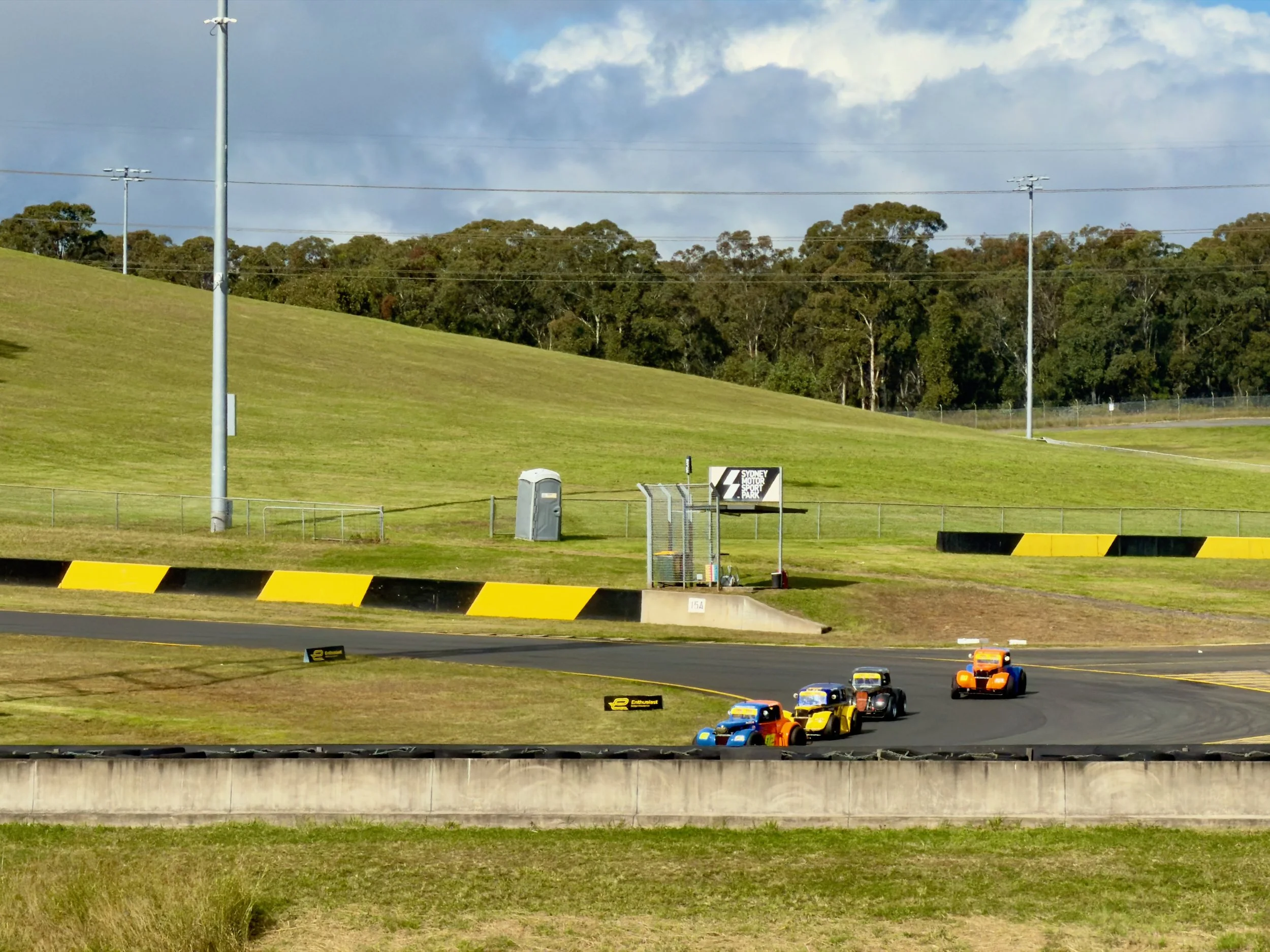
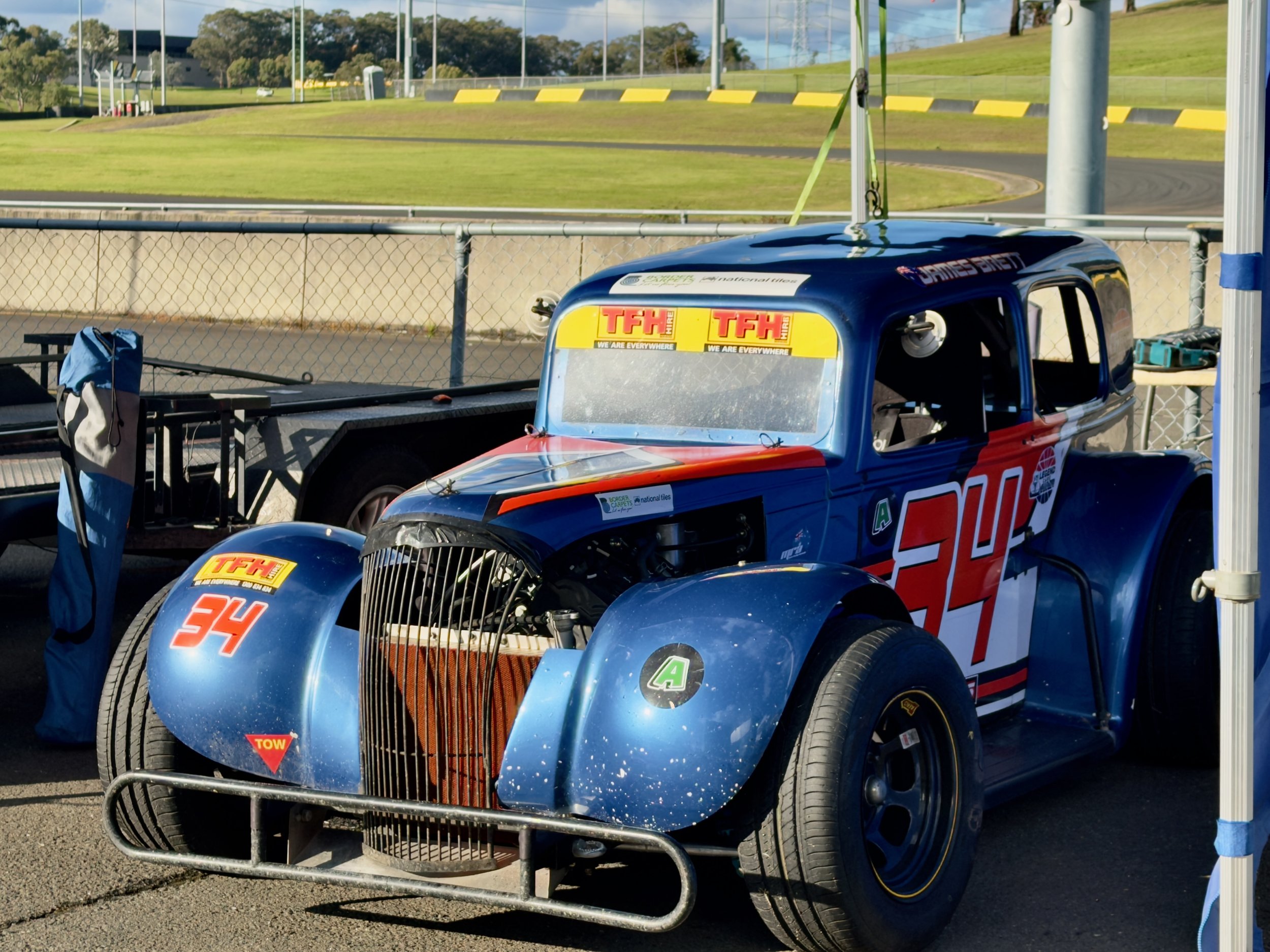
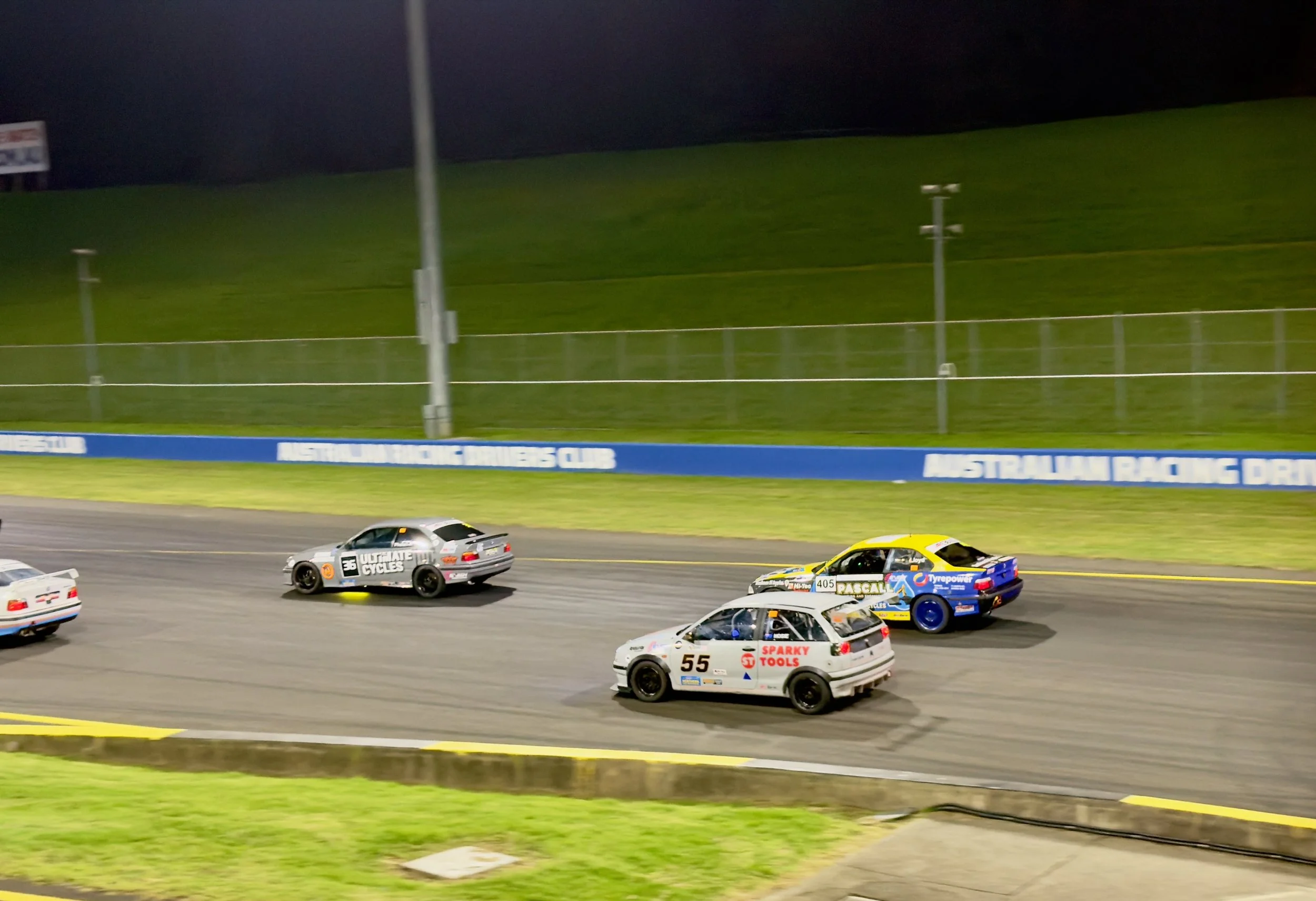
One of the first Legend Cars races delivered exactly the sort of contest that makes it easy to become emotionally invested. James Brett, a driver I’d met through a mutual connection, spent several laps locked in a clean battle with another competitor. Out of the final corner he edged alongside, found just enough momentum down the main straight and completed the pass almost on the finish line. It wasn’t for the race win. It didn’t matter. Standing alongside the small group cheering him on, it felt like we’d all won something.
I’d discovered the previous evening that having someone to support changes the way you watch a race. Saturday reinforced that lesson. Instead of watching thirty cars circulate, I found myself following one story within the larger story, celebrating a small victory that probably meant very little to anyone else.
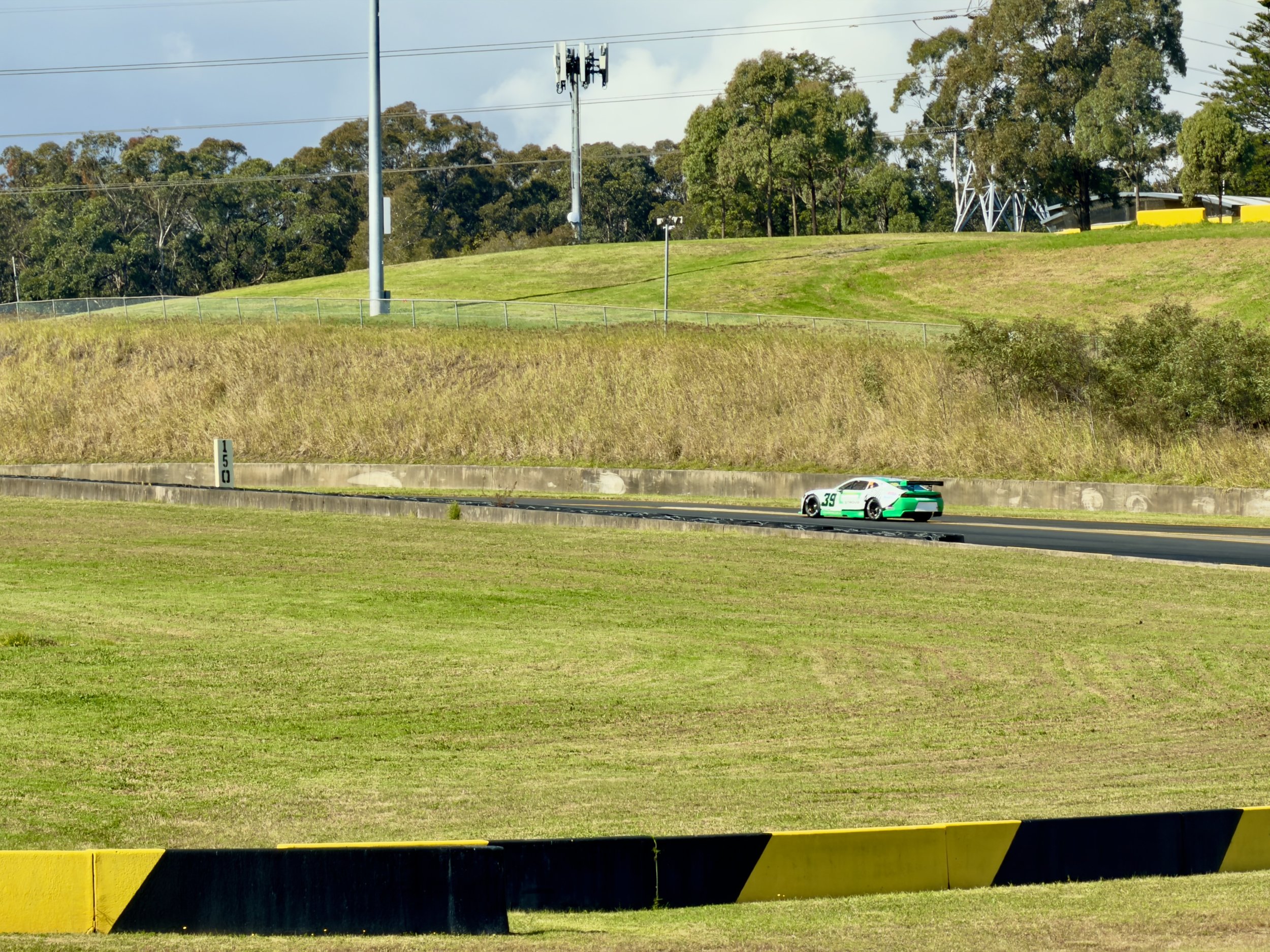
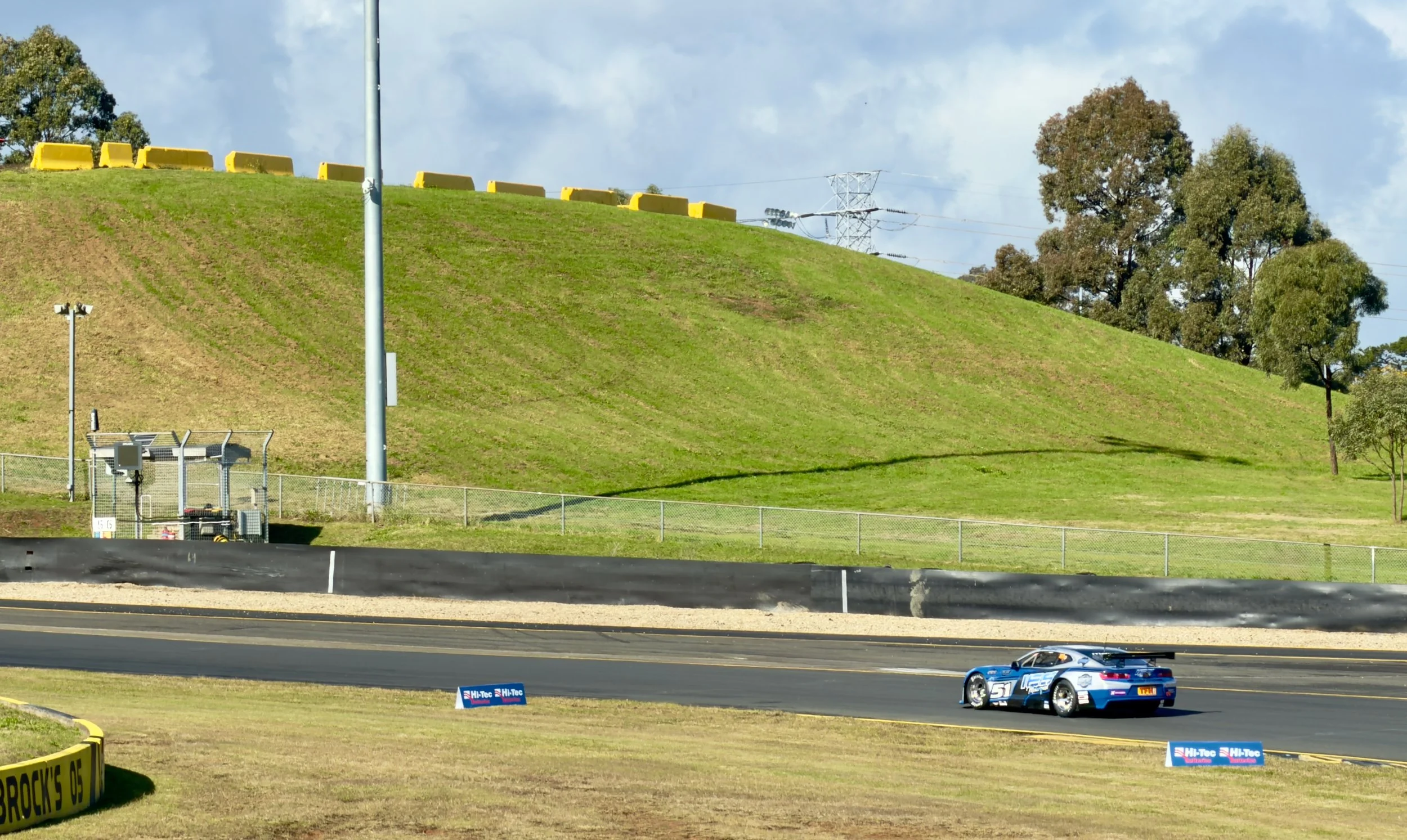
As the circuit dried, so did the racing. The difference was remarkable. Cars braked later, carried more speed through the corners and raced with a confidence that simply hadn’t been possible the previous evening. The occasional mistake still punished anyone who found the wet grass, but the racing flowed in a way Friday never allowed. I settled into the rhythm of the day.
Or at least I thought I had. One thing I hadn’t appreciated before spending an entire weekend at a race meeting was just how differently time works in motorsport. The circuit itself is almost constantly alive. As one category finishes, another heads out. There is very little sense of the day ever stopping. The waiting belongs somewhere else. It belongs to the drivers, who might race for fifteen minutes before waiting another five or six hours for their next appearance. It belongs to families and friends who settle in for the day knowing the person they’re supporting will only be on track for brief moments before disappearing back into the paddock. And occasionally it belongs to everyone when something significant happens, and the schedule has to adapt.
That rhythm took me a while to understand. By mid-afternoon I’d watched enough racing that I found myself wandering away from the fence. Not because I was losing interest. Because I was becoming interested in everything else. The three-hour endurance race became the perfect excuse.
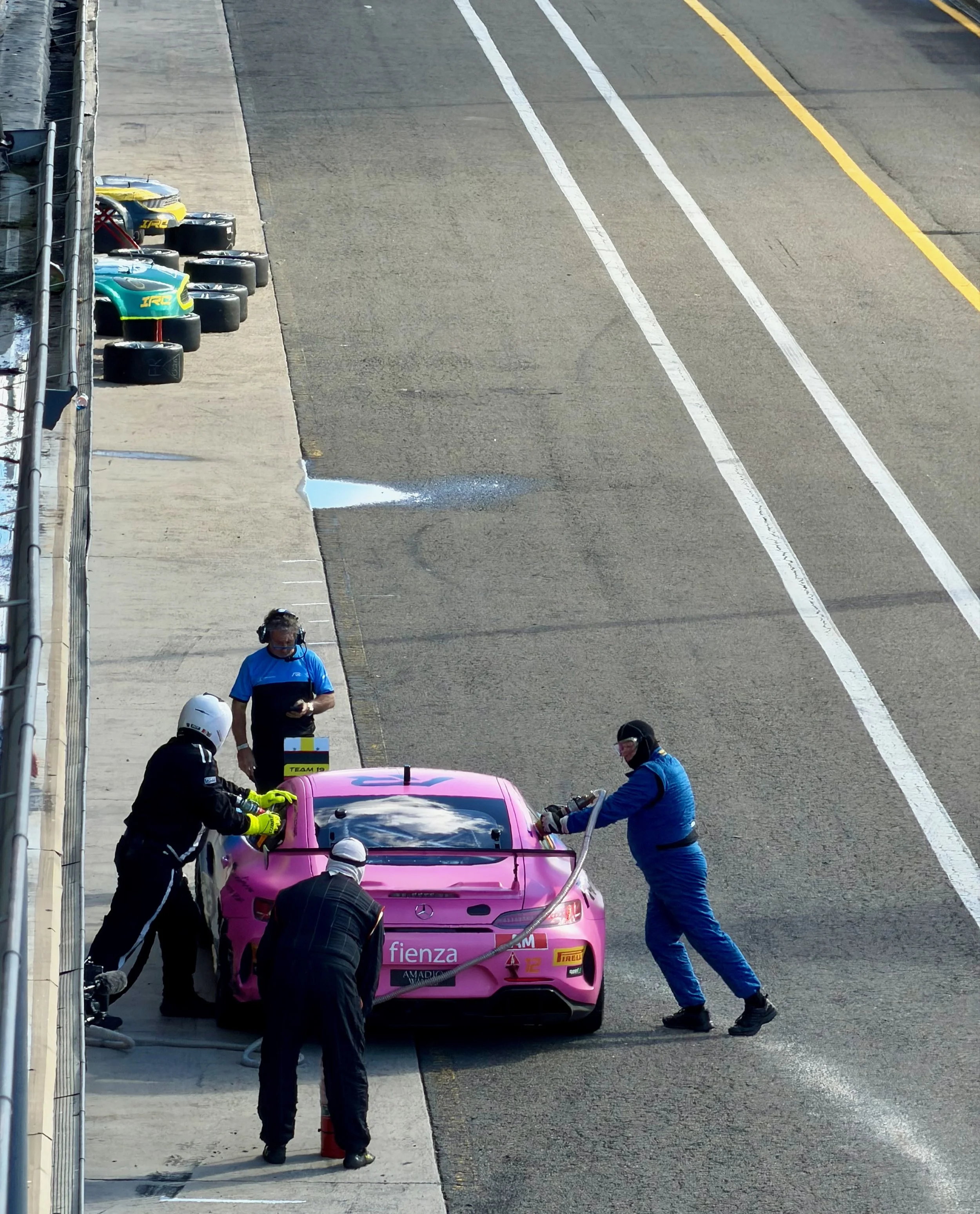
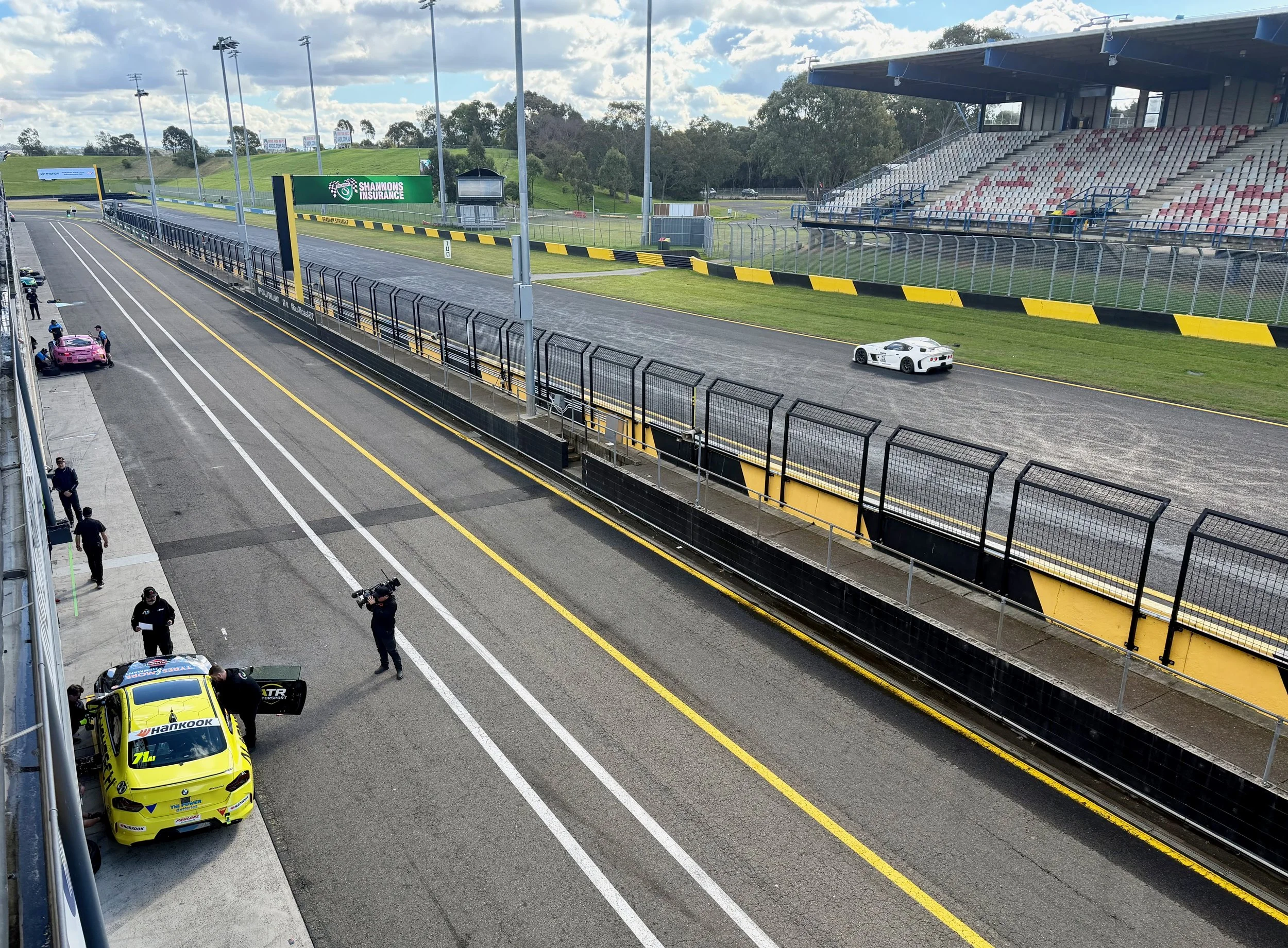
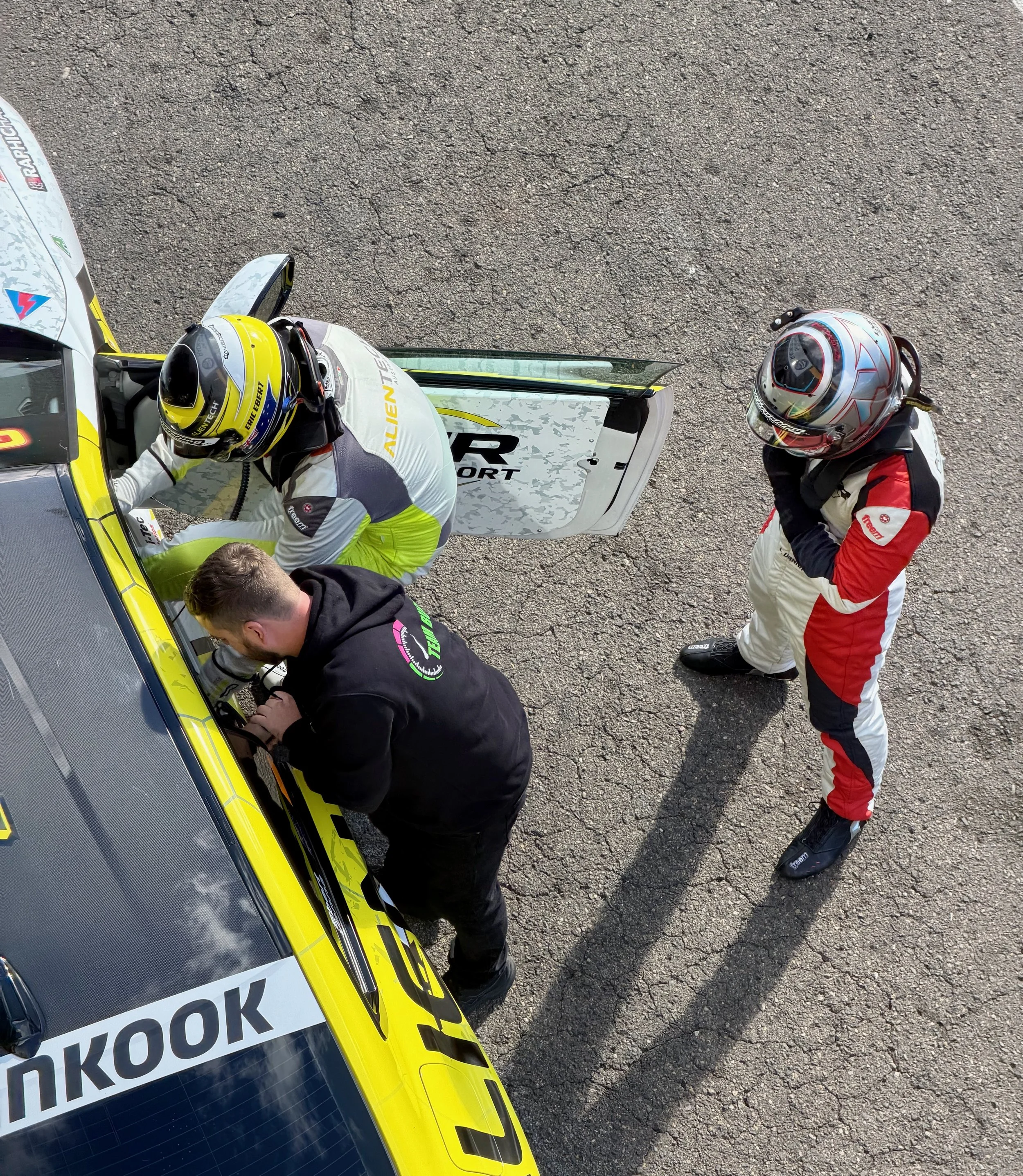
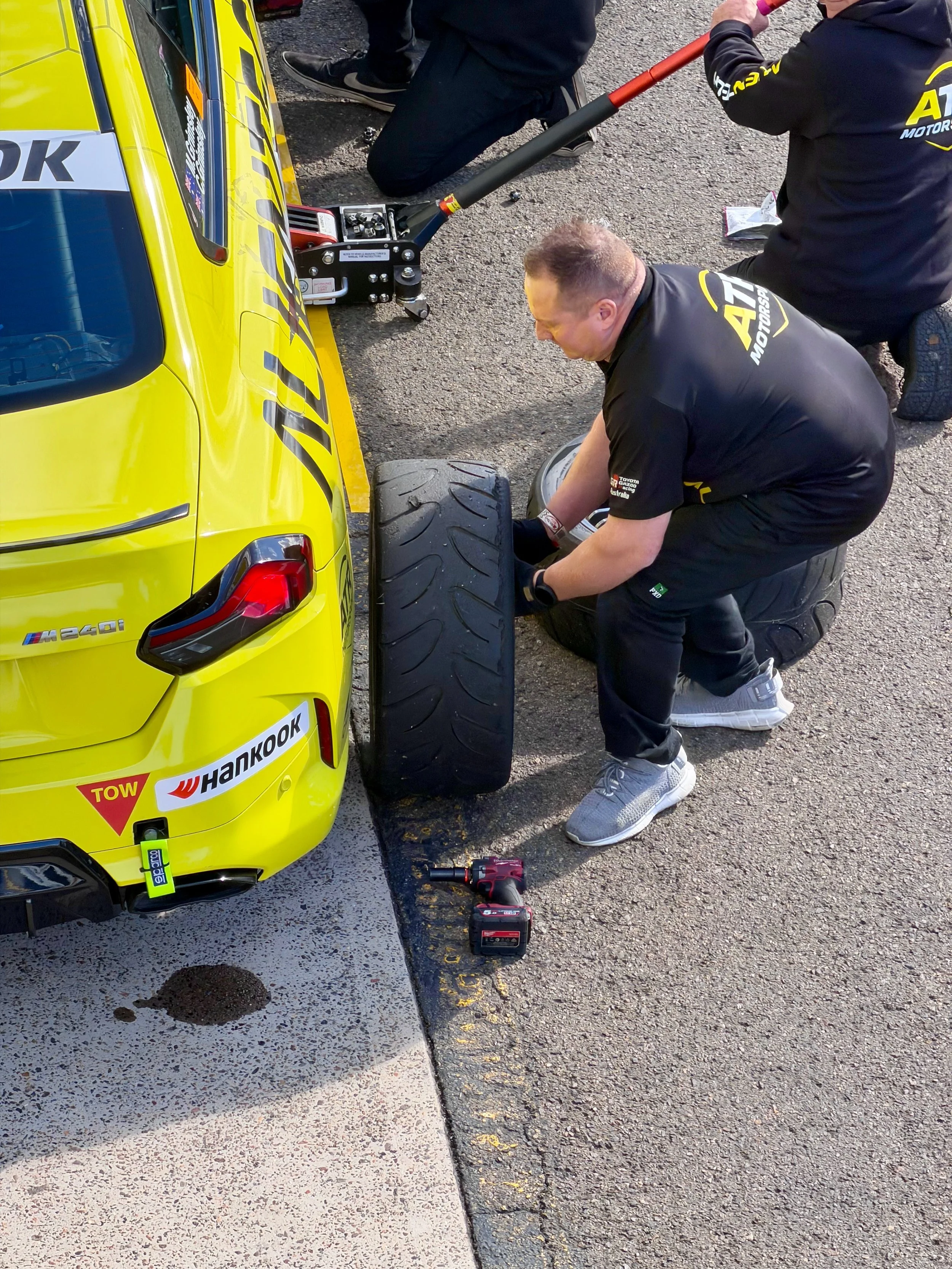
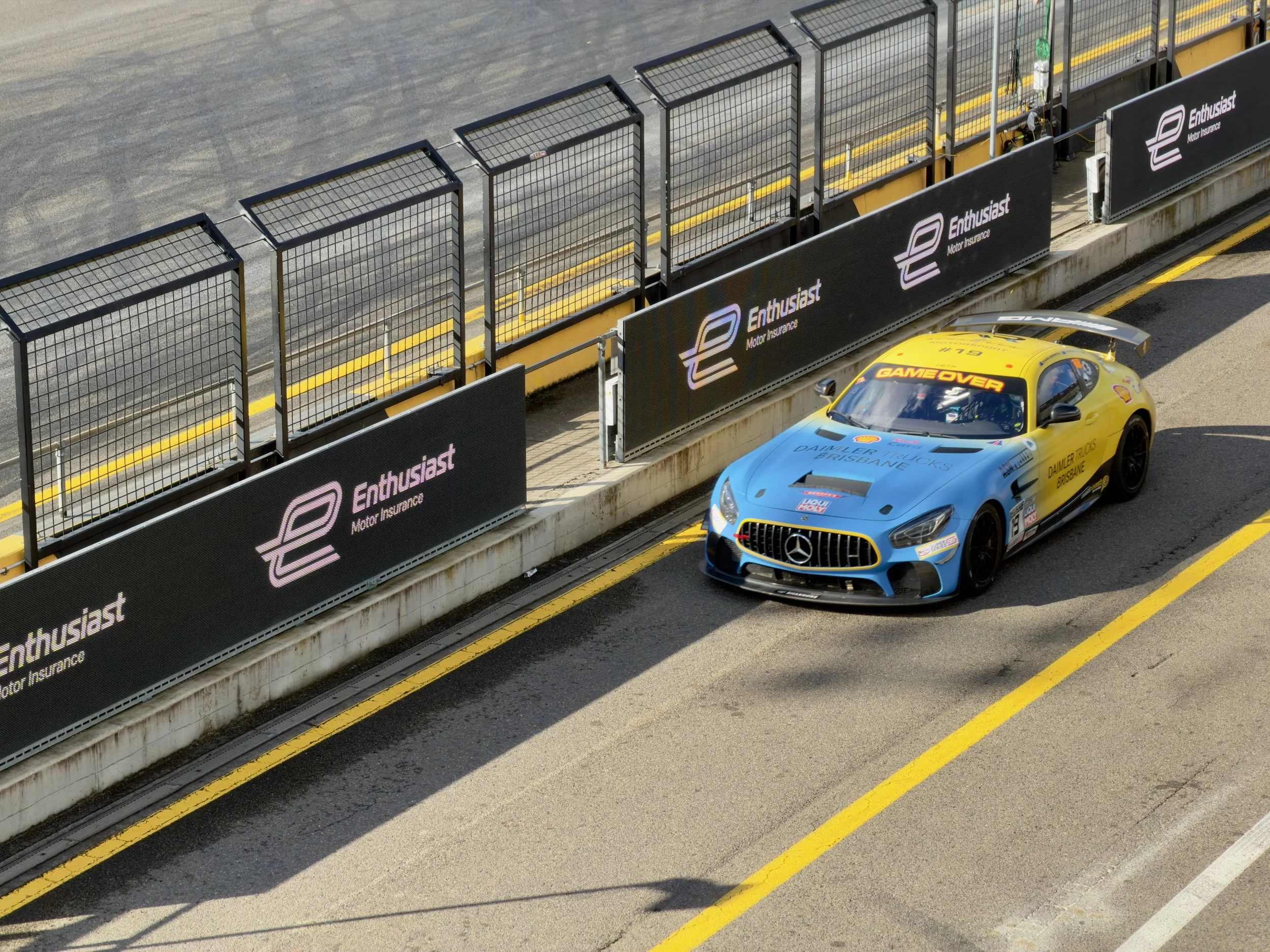
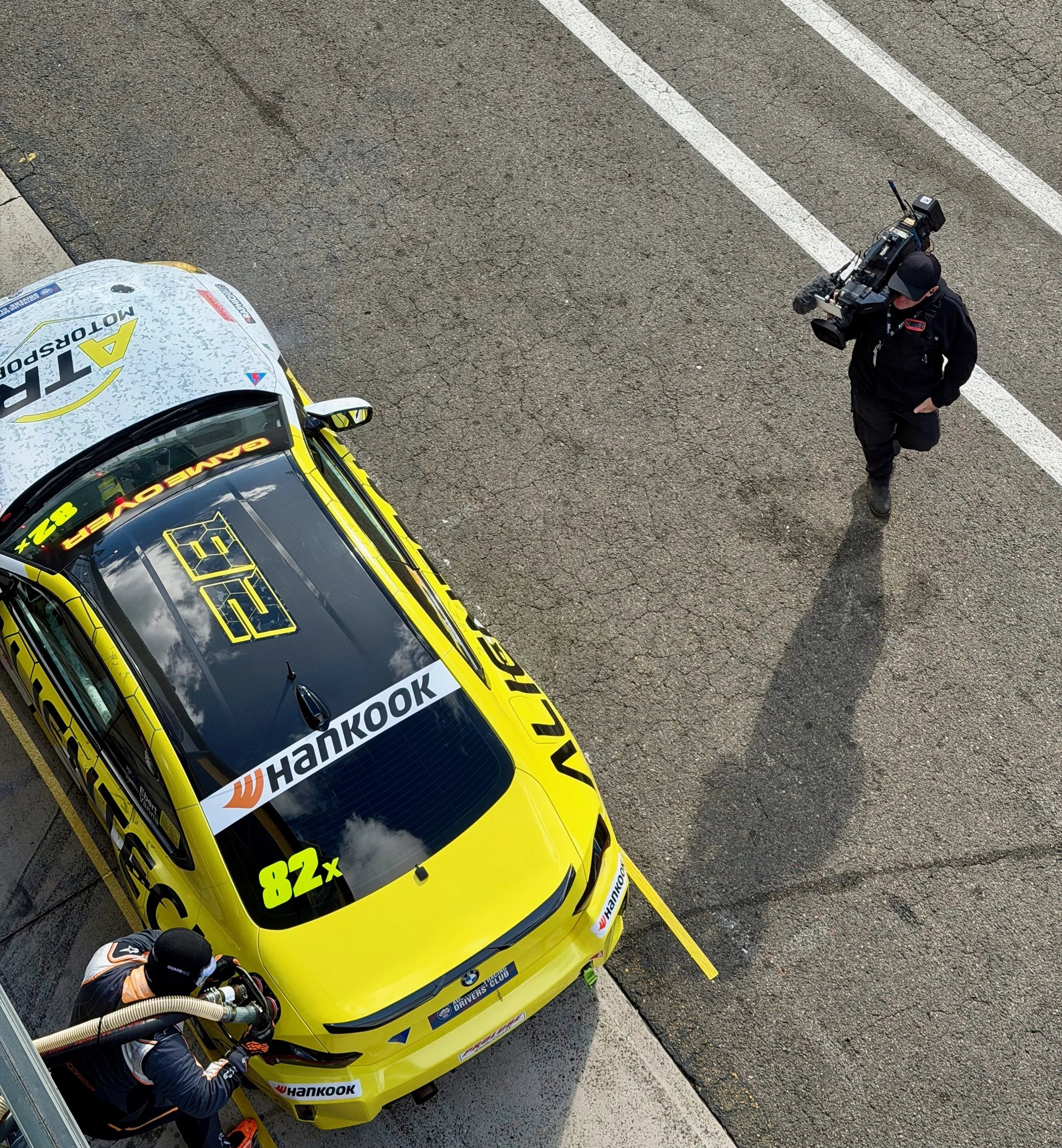
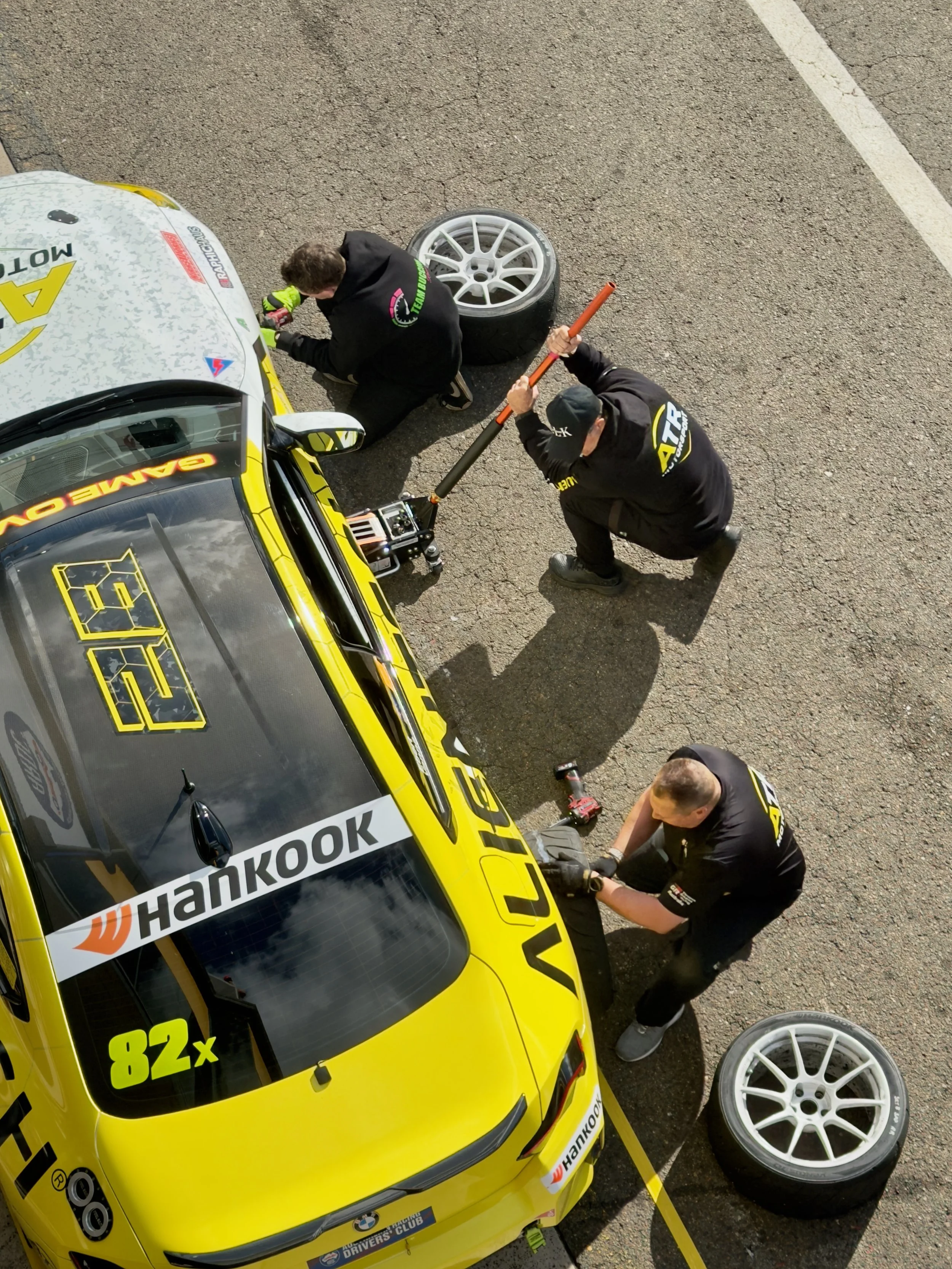
Instead of watching every lap, I spent time watching the pit lane. Years of watching Formula 1 had conditioned me to expect impossibly fast pit stops measured in seconds. This wasn’t that. Teams worked with only a handful of people. Tyres were changed, fuel was added, windscreens cleaned and drivers climbed in and out, but everything unfolded at a different rhythm. In some categories the regulations even required cars to remain in pit lane for a minimum amount of time. Nobody was trying to beat the stopwatch in quite the same way Formula 1 teams do.
It was still organised. Still impressive. Just built around an entirely different set of priorities. That seemed to happen over and over again throughout the day. Almost everything I thought I knew about motorsport turned out to have another layer beneath it. I started asking questions.
Why do all the races begin with rolling starts rather than standing starts?
Why are some categories built around tightly controlled cars while others encourage engineering freedom?
How do young drivers decide which pathway to follow?
Why do some begin in Legend Cars or Formula RX8 while others somehow find themselves climbing into Porsche and GT machinery?
I never found all the answers. I’m glad I didn’t. Every conversation seemed to lead to another question. The more questions I asked, the more interesting the racing became.
Even television, something I’d always assumed was a compromise, became part of the live experience rather than a substitute for it. Standing on the roof overlooking the main straight gave me the speed, the sound and the atmosphere. Walking inside to watch the broadcast filled in the gaps in everything happening on the other side of the circuit. Drone footage, replays and commentary transformed moments I’d only partially seen into stories I could properly follow. The two experiences complemented each other in a way I hadn’t expected.
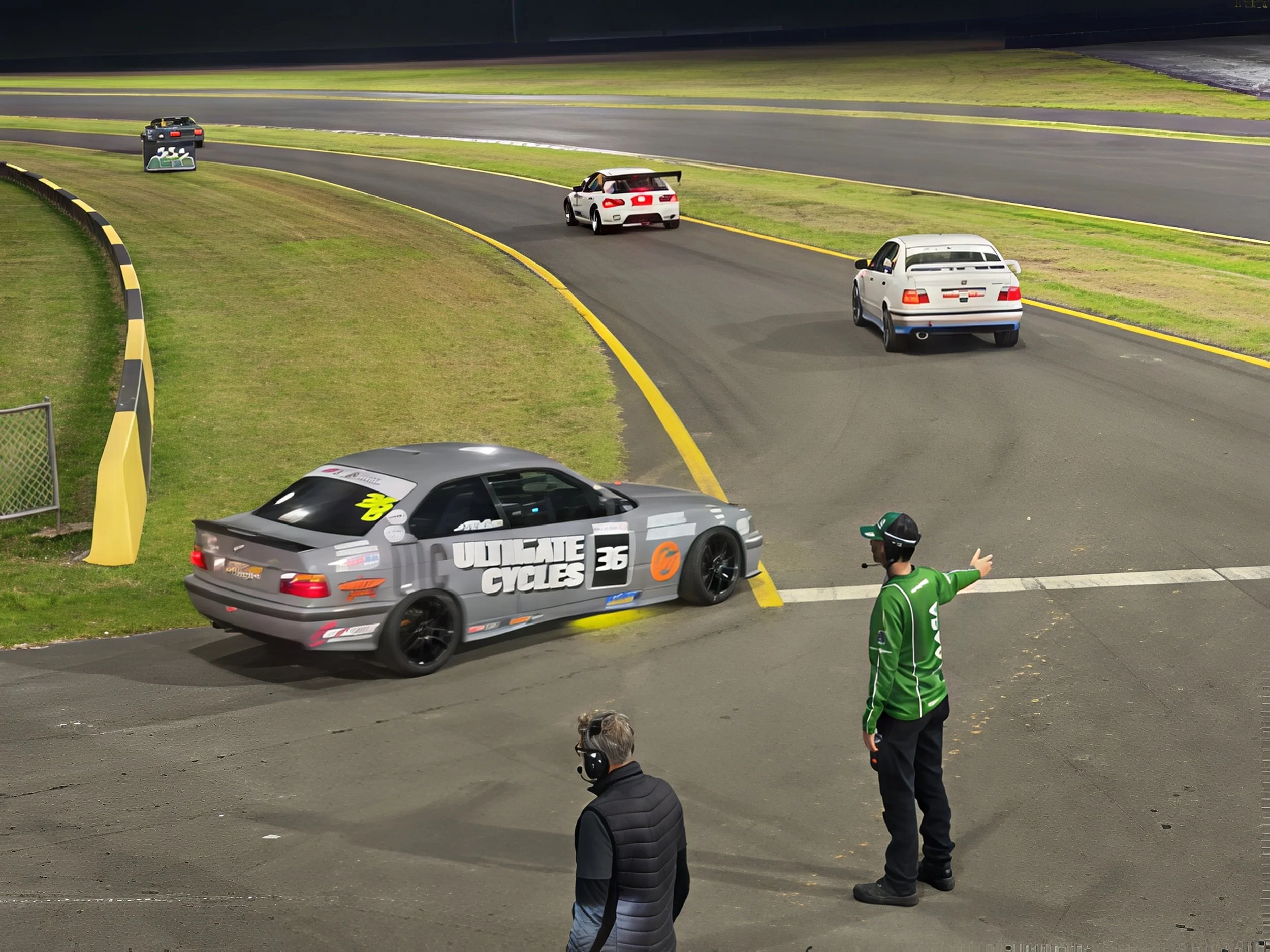
Later that evening, a significant multi-car accident interrupted one of the races. James was caught up in it and, fortunately, escaped with no damage, but the consequences lingered long after the incident. I happened to be standing above pit lane, where all the marshalling, pit lane controllers and safety vehicles were.
While the television understandably focused on the recovery, I found myself watching a different story unfold. Officials moved constantly between race control, pit lane and team personnel as they worked through what the remainder of the evening would look like. From where I was standing, I could overhear fragments of conversations, watch schedules being reshaped and see the quiet coordination required before racing could resume.
It wasn’t the part of the day I’d expected to find interesting. It became another reminder that there is far more happening at a race meeting than the racing itself. By the time I finally left just before nine o’clock, I was exhausted. Sydney Motorsport Park isn’t somewhere you simply happen to pass. Spending an entire day there is a commitment, and after nearly ten hours on my feet, an Uber home felt like the sensible option.
The drive gave me time to replay the day. I wasn’t thinking about winners. Or lap times. Or championship standings. I was thinking about conversations. About pit crews. About officials. About why the races start the way they do. About everything I’d noticed simply because I’d stayed long enough to start asking questions.
Next time I’ll take a folding chair. I’ll remember the sunscreen, even in the middle of winter. I’ll walk further around the circuit. I’ll ask more questions. Quite a few more, I suspect.
Because somewhere over the course of a long Saturday, I realised I’d spent almost as much time talking to people, watching the pit lane and trying to understand the sport as I had actually watching cars race. Far from distracting me from the experience, it became the experience.
And as Sydney Motor Sport Park and Dragway disappeared in the distance on the drive home, I realised the weekend had achieved something I hadn’t expected. I hadn’t just discovered more about grassroots motorsport.
I’d discovered there was another branch of it, just across the road, already waiting for my next visit.