The Things you notice second time
The fun part was simply being back.
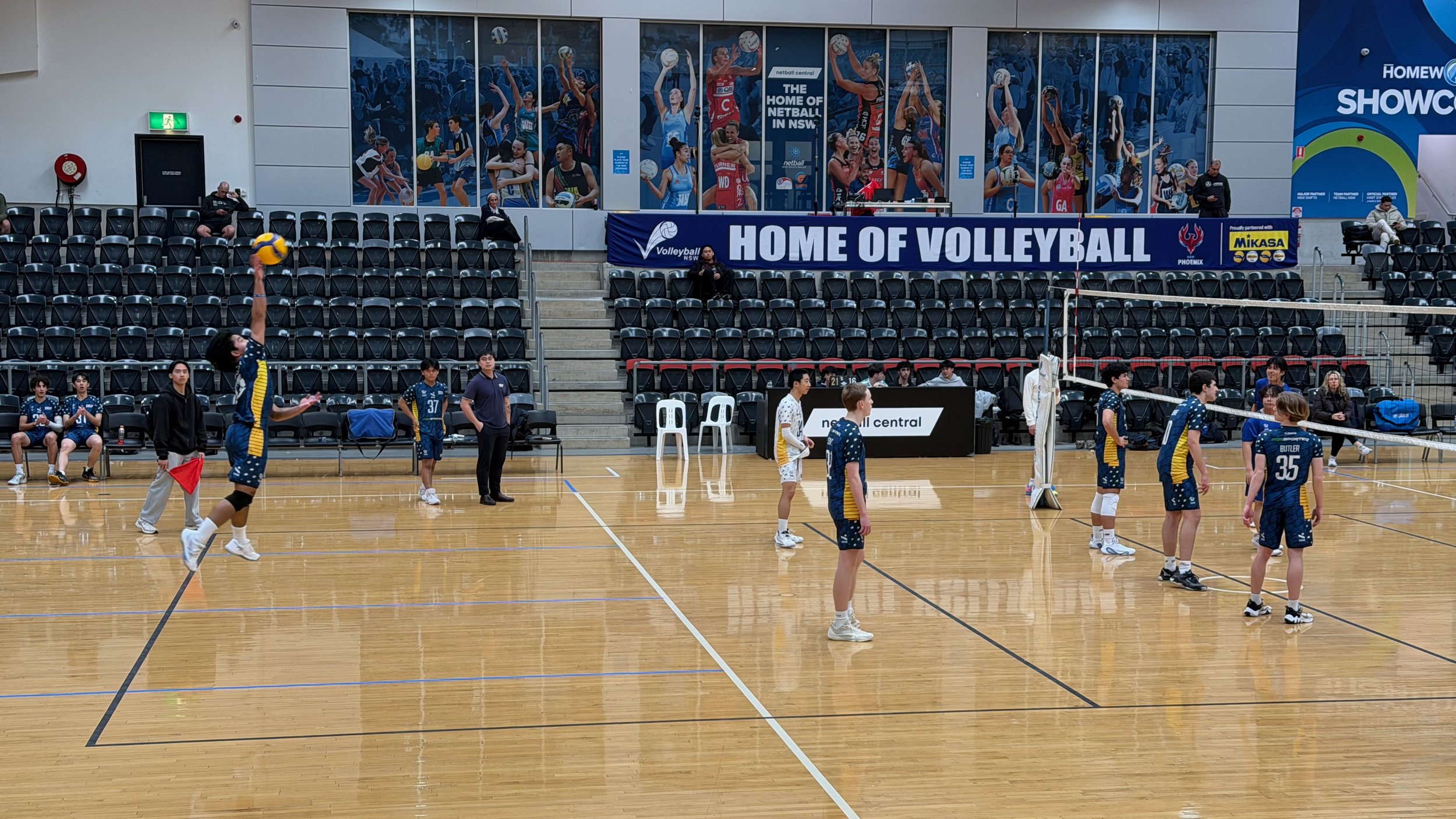
My first visit to Netball Central had been spent trying to understand the place. The size of it. The number of courts. The constant whistles echoing across the building. The steady stream of players, coaches, officials and families moving from one match to the next.
There had been enough newness to fill an afternoon. Returning removed that.
This time I already knew where I wanted to sit. I knew the café would be busy. I knew there would be matches in every direction and that the show court wasn't really the centre of attention so much as one court among many. Most importantly, I already knew I enjoyed being there.
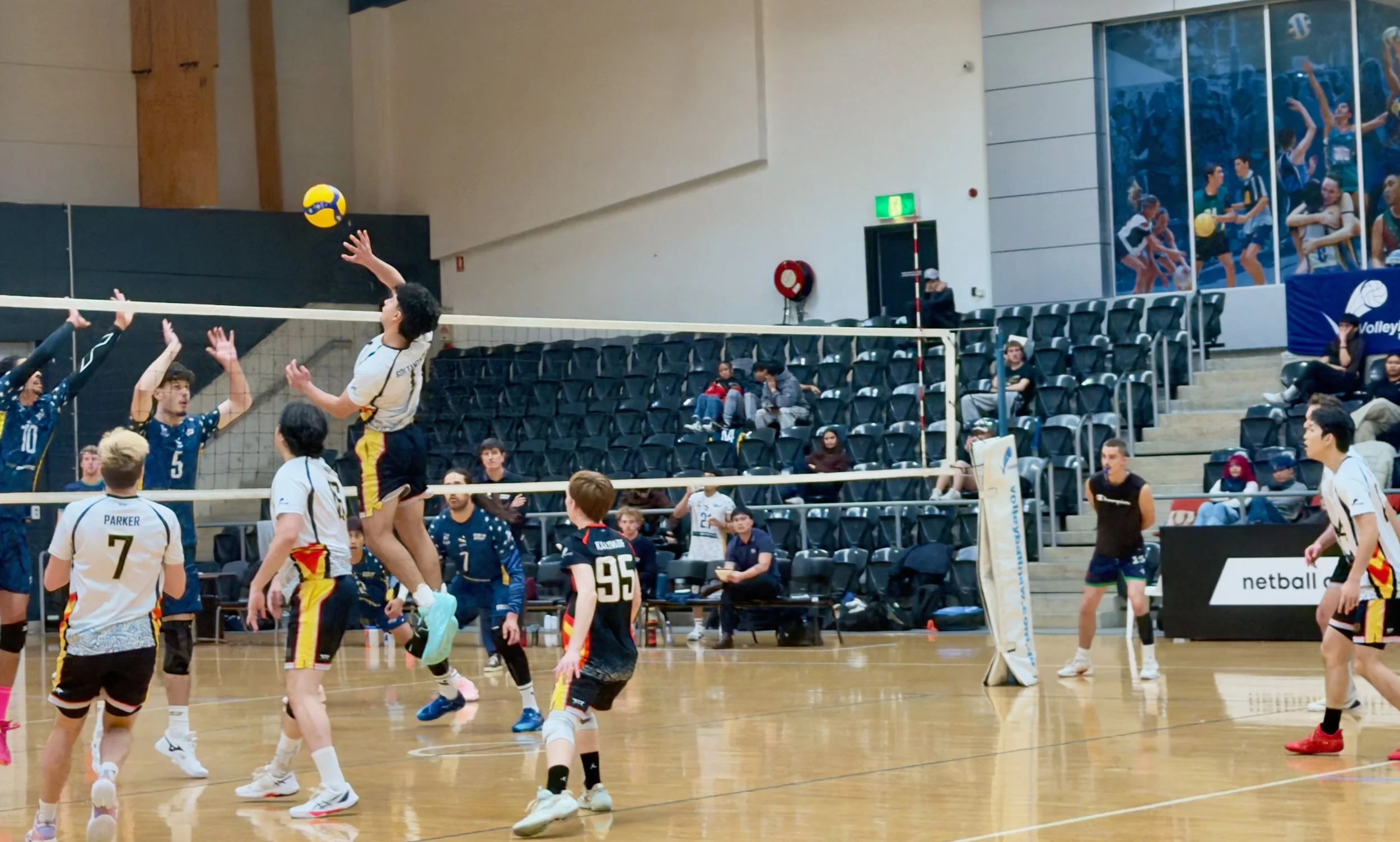
After my first visit, I'd written that I didn't really have a team to support. It turned out that wasn't entirely true. A little research afterwards revealed there was a Northern Sydney club competing in the Premier League. That discovery probably should have taken me less than five minutes, but it was enough. Somewhere between the first visit and the second, I'd quietly adopted a team.
I wasn't suddenly a passionate supporter, but I did find myself hoping Sydney North played well. The first visit had taught me where I was. The second gave me the chance to learn how to watch.
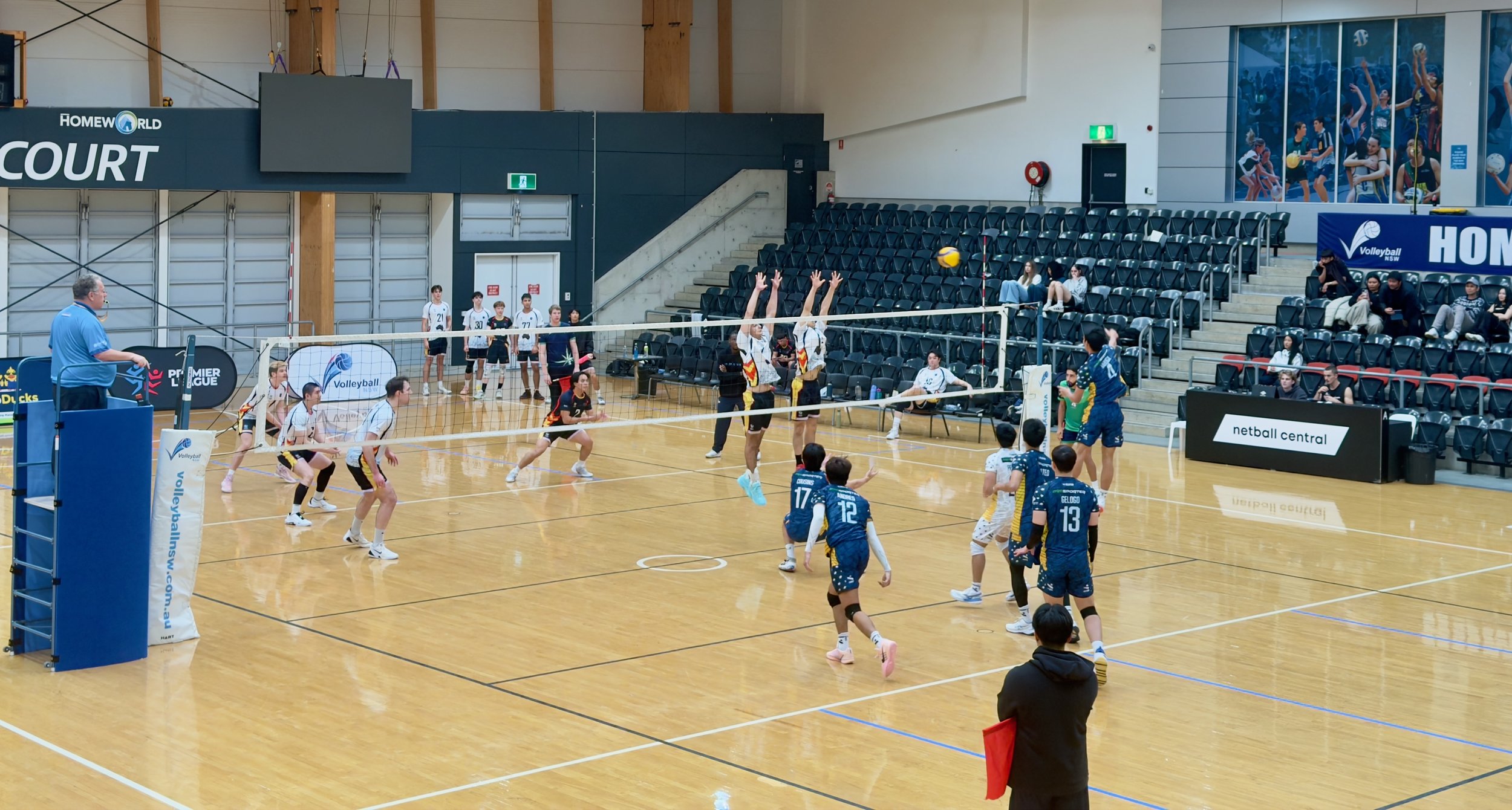
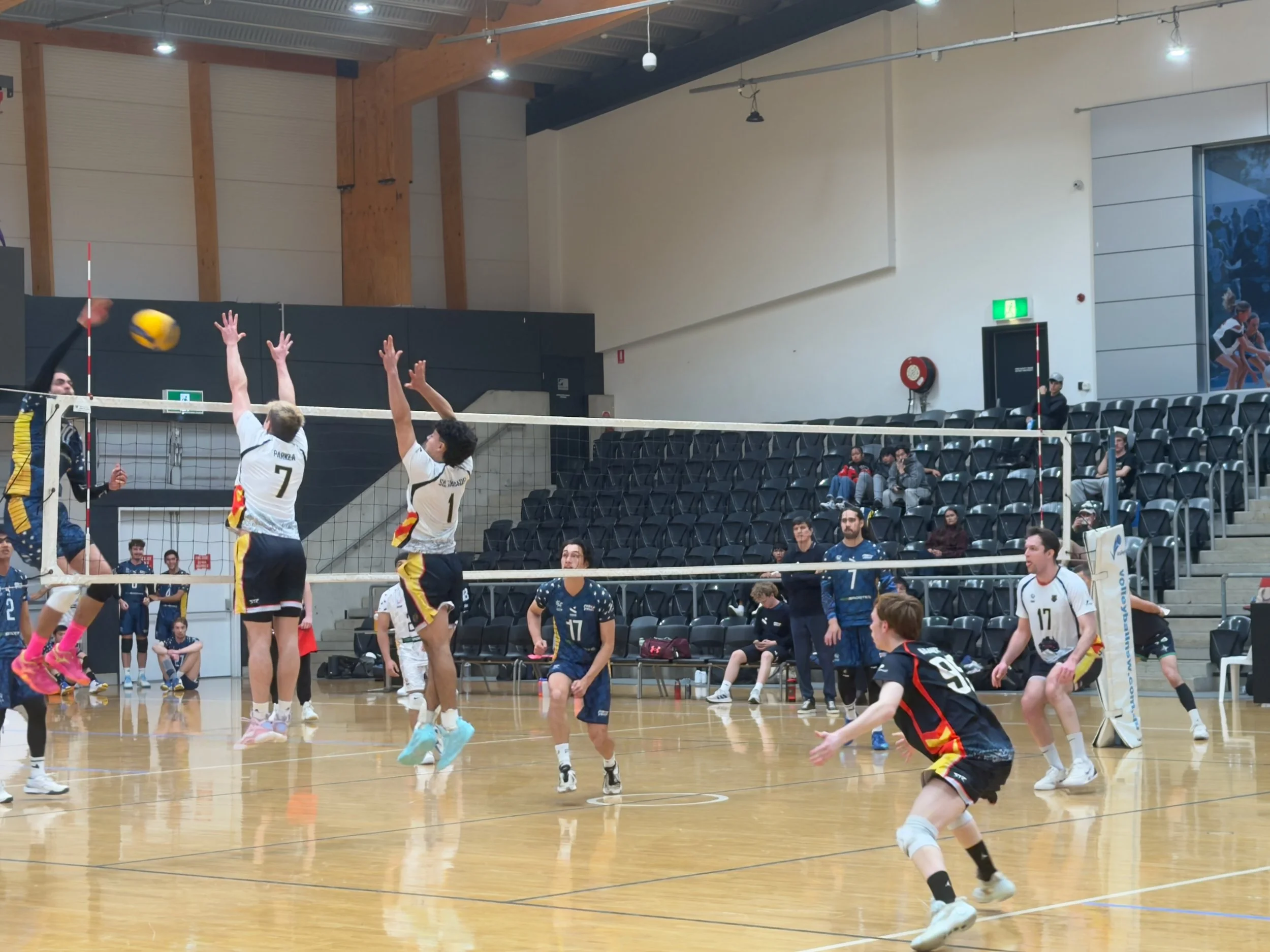
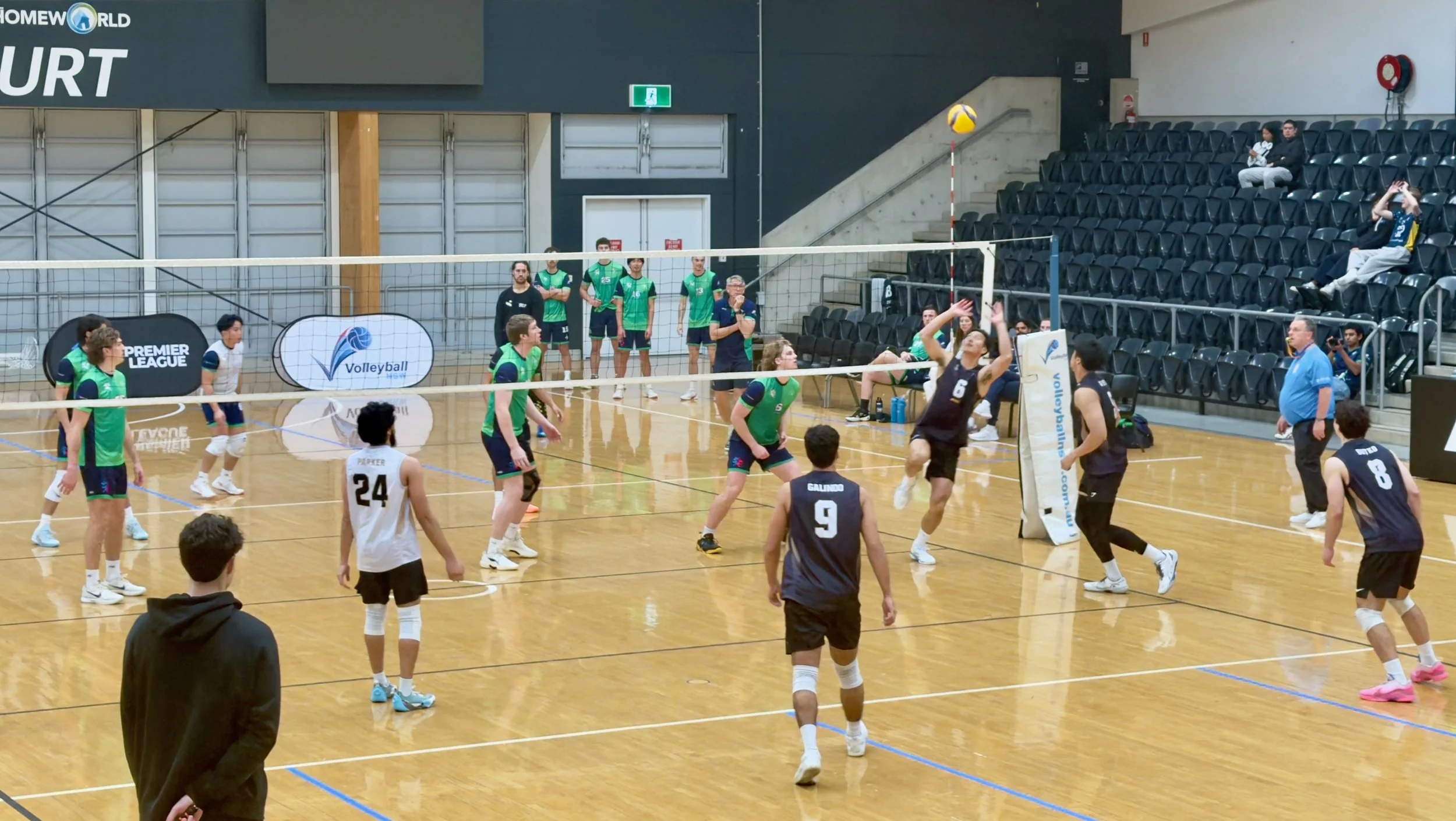
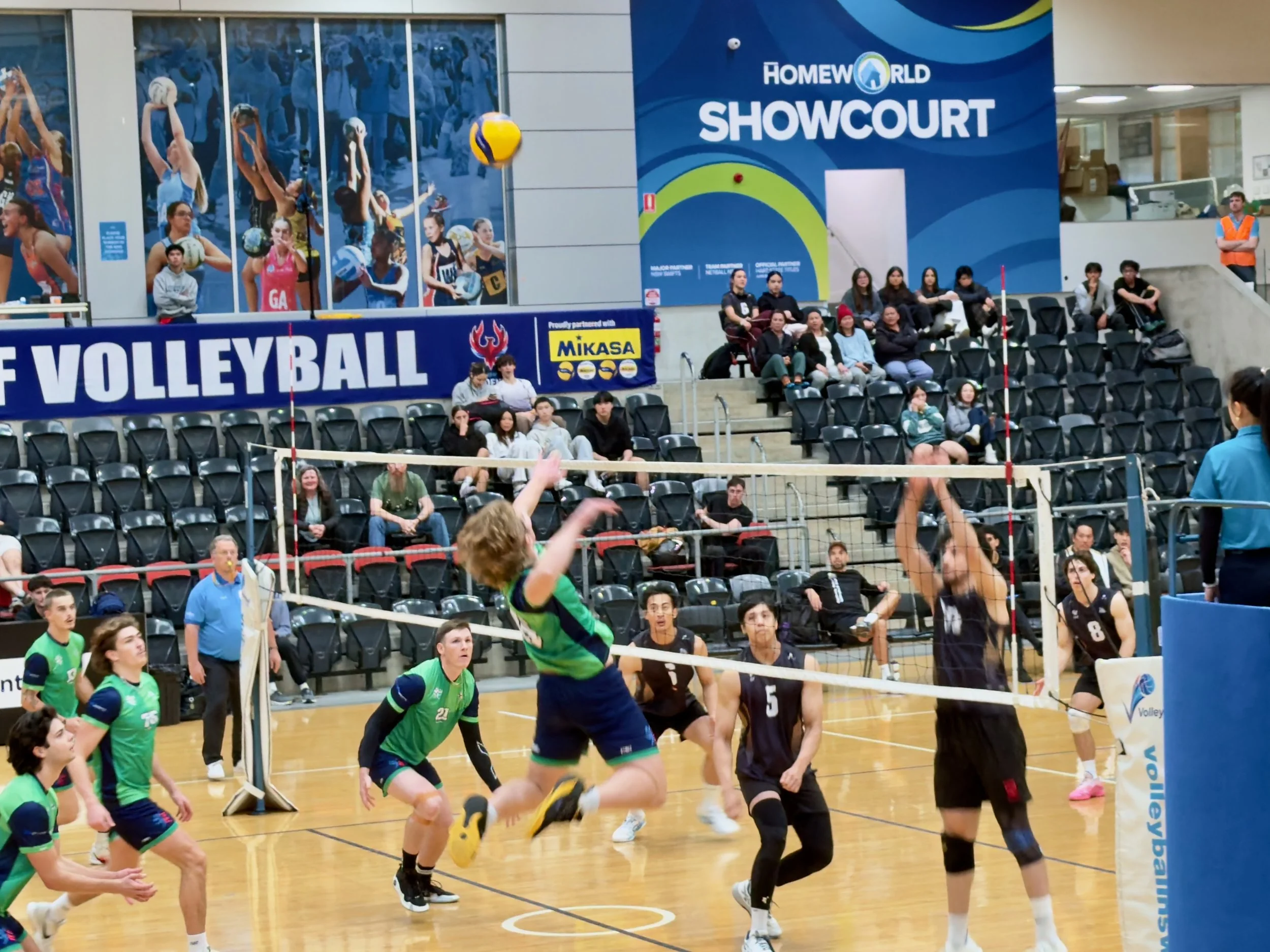
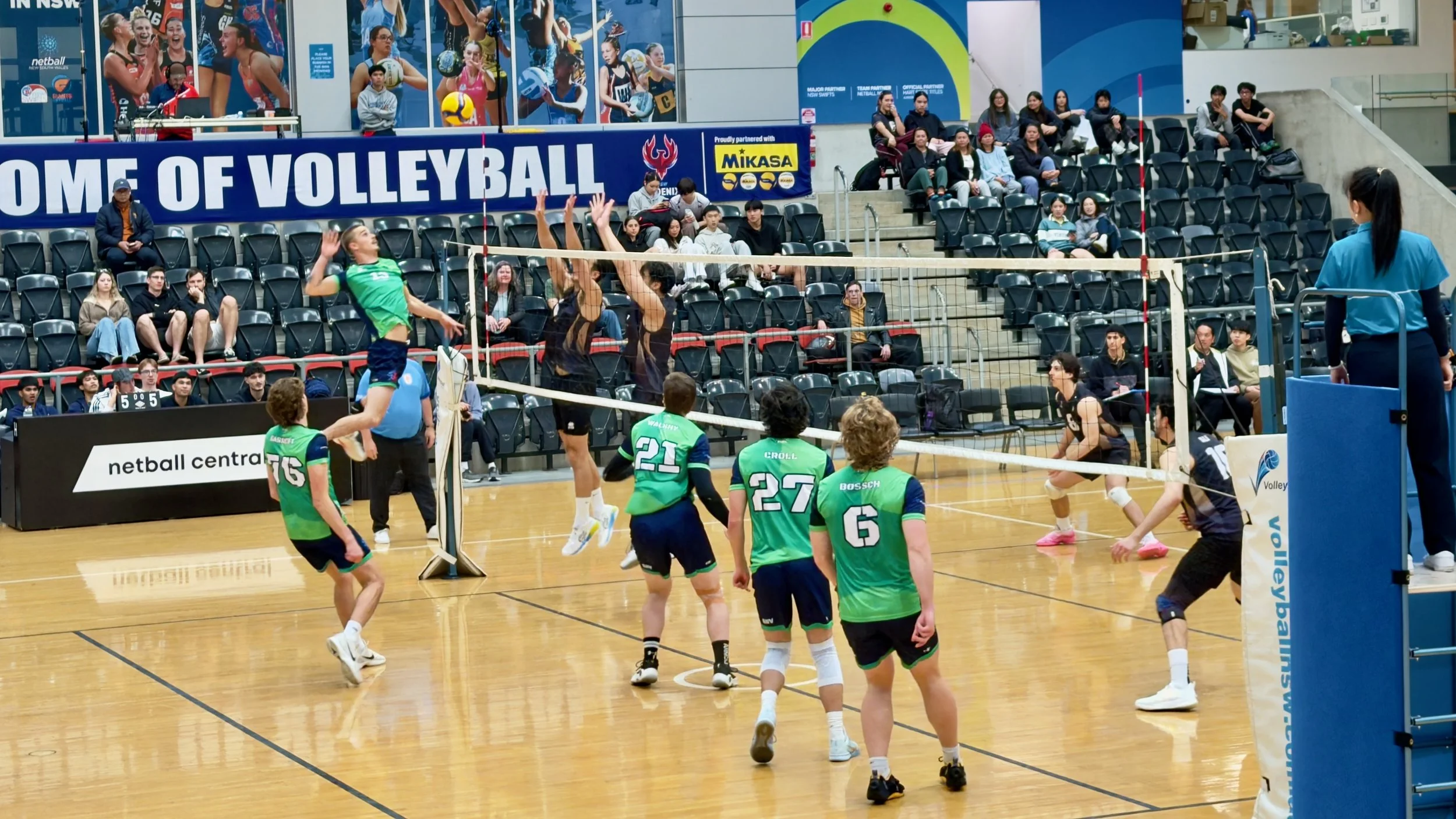
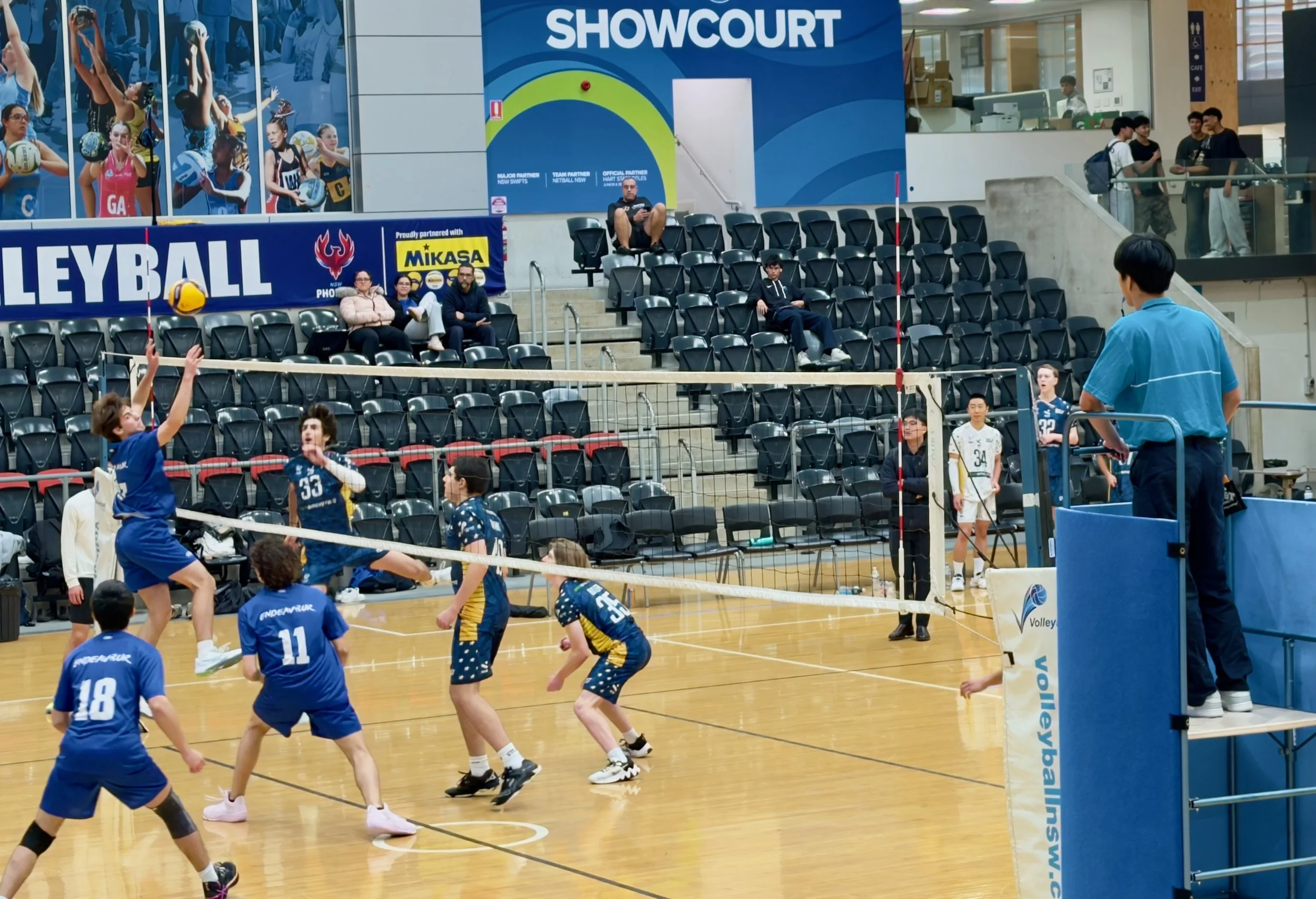
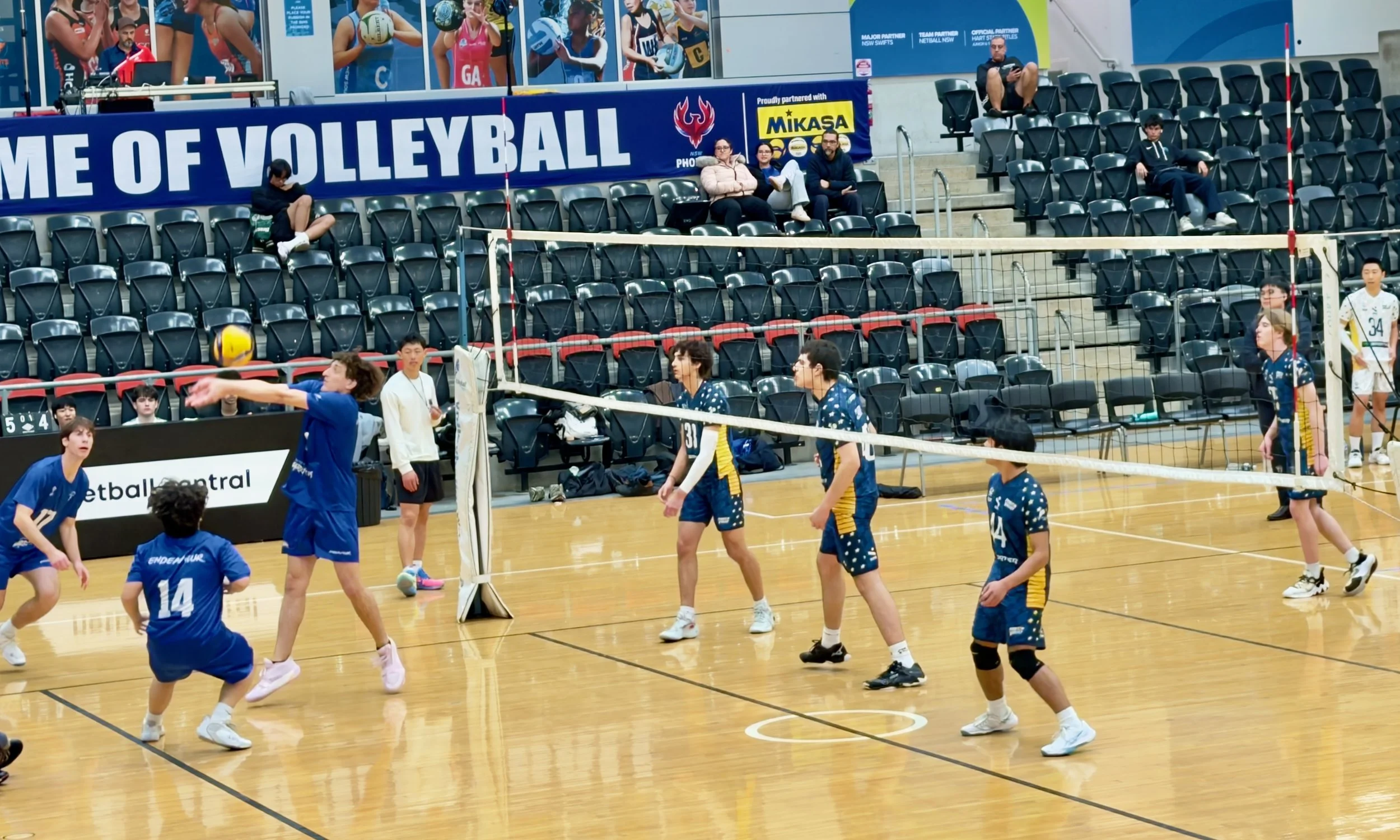
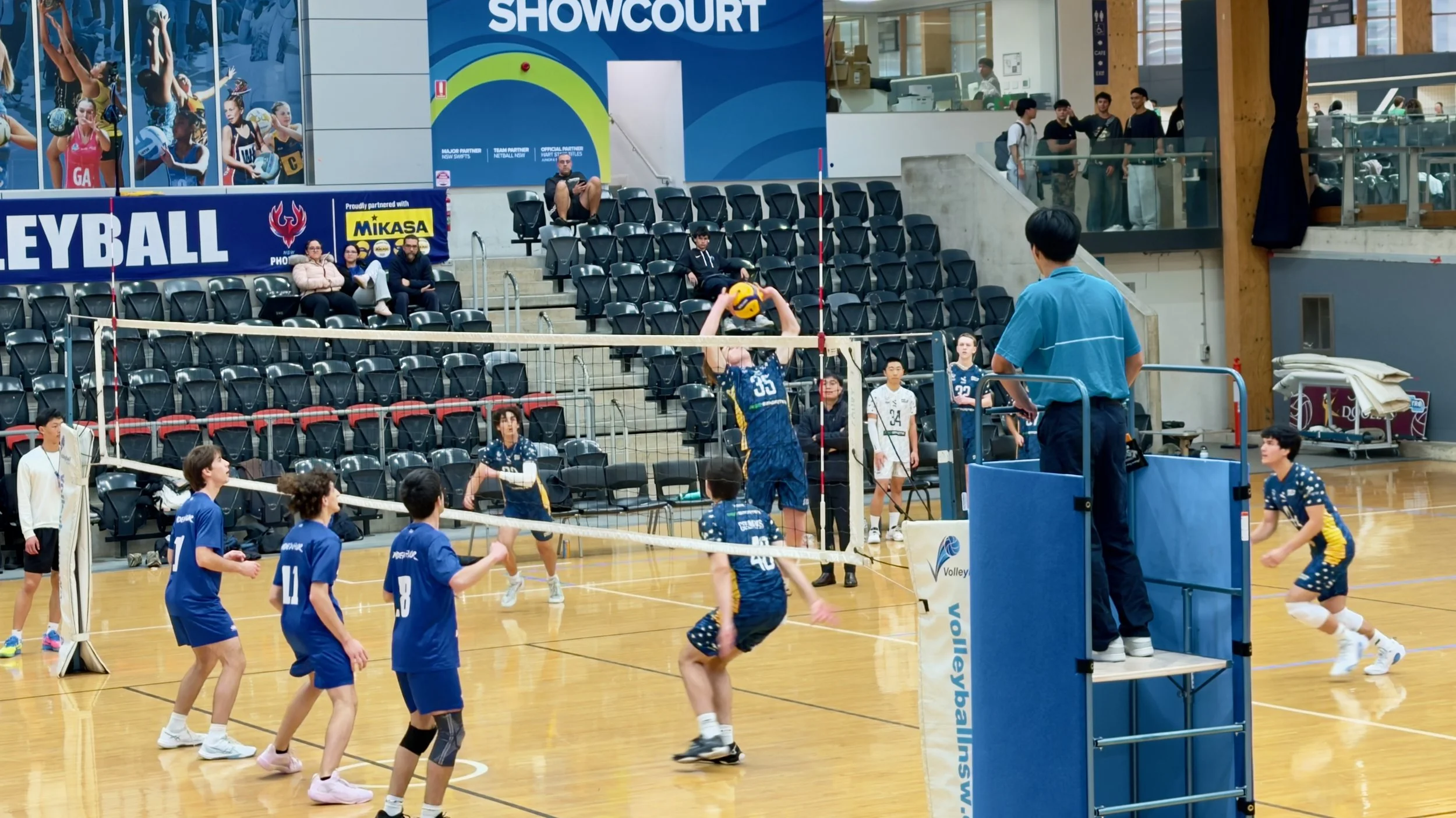
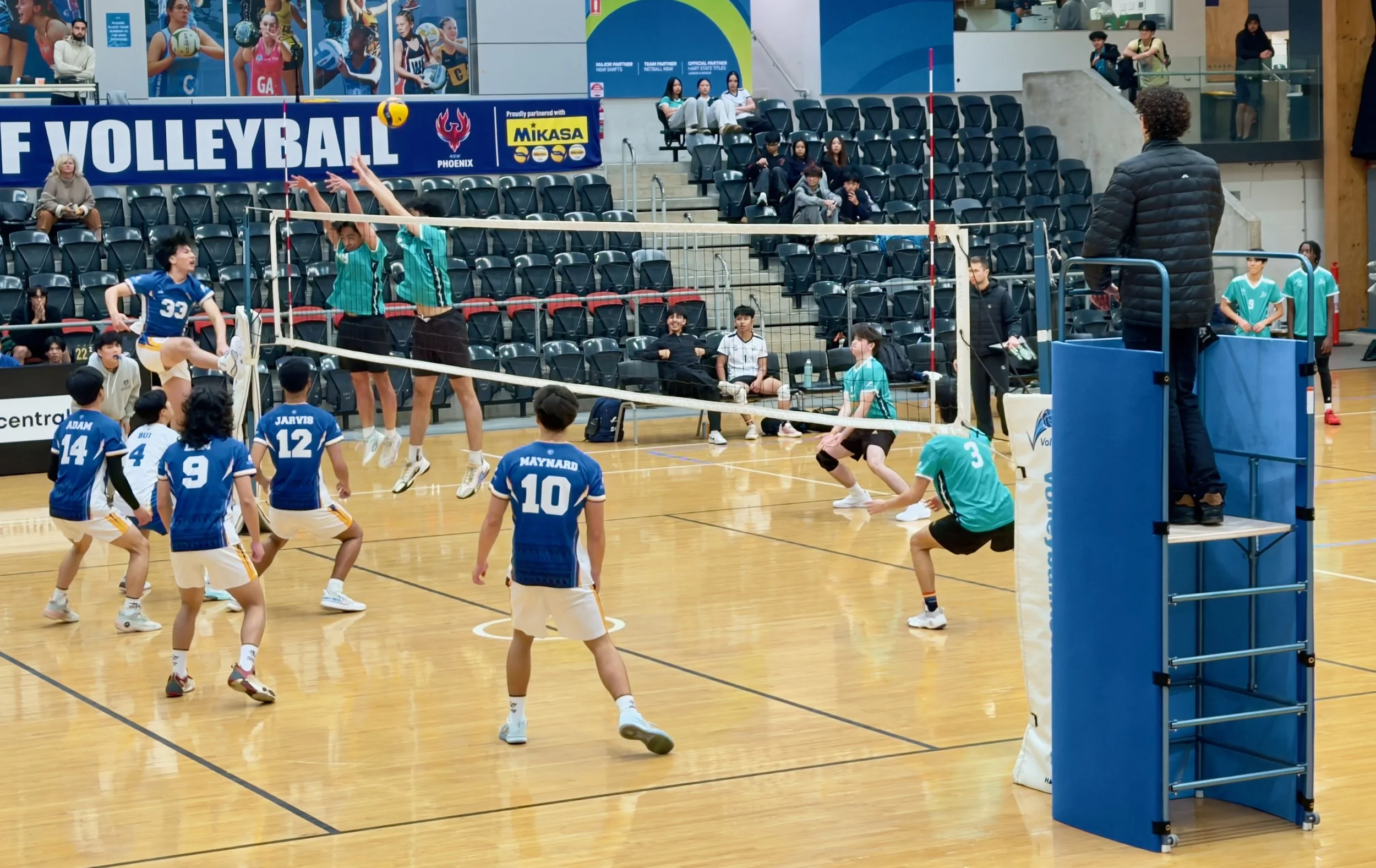
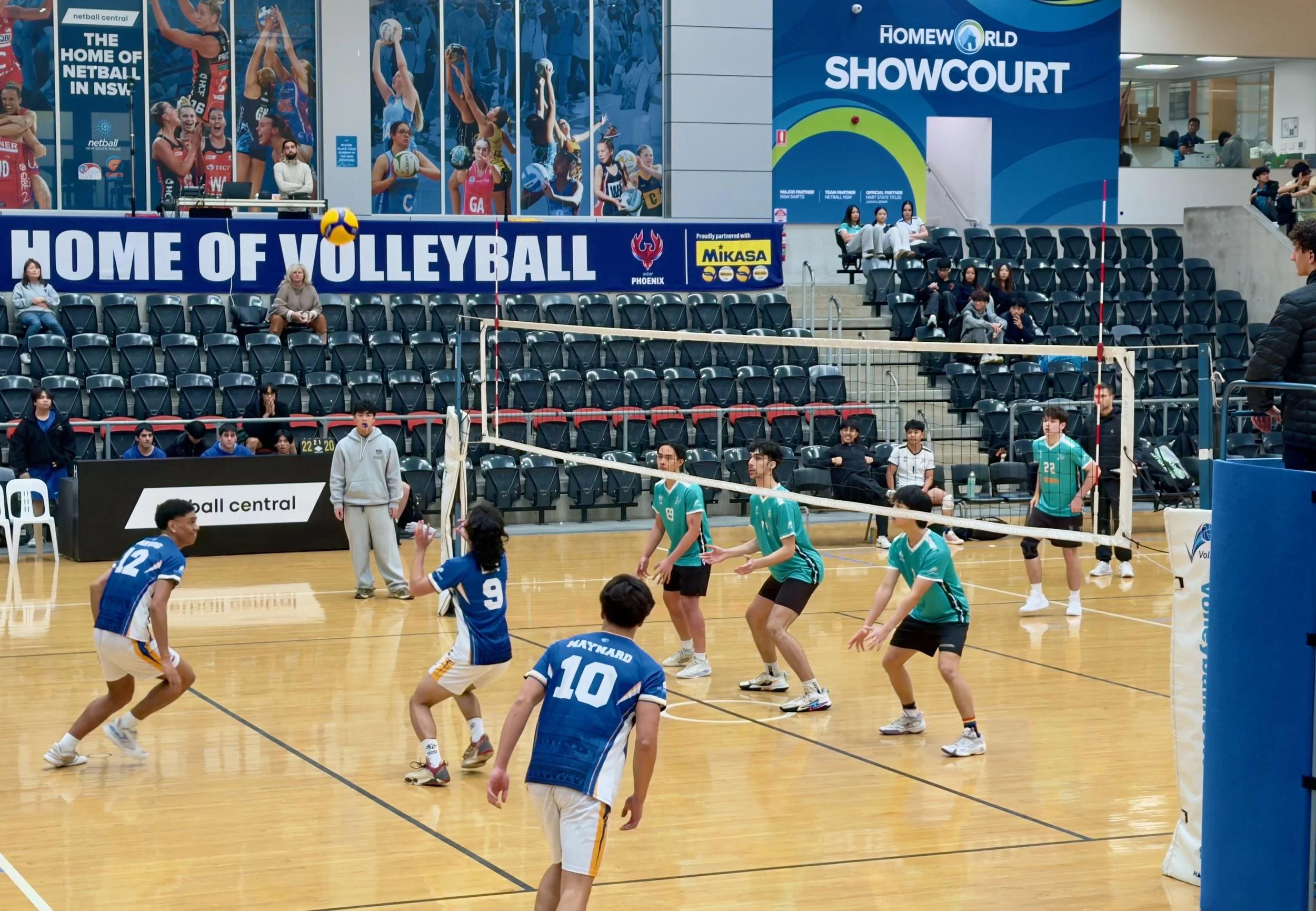
The crowd was the first thing I noticed. Or perhaps the lack of one. When I arrived, I counted about fourteen people around the show court. Later there were close to a hundred. By the final match I watched, many of them had disappeared again. The numbers were small enough that counting them felt easier than estimating.
At first I assumed people were simply coming and going. Then I realised I couldn't actually tell who the crowd was.
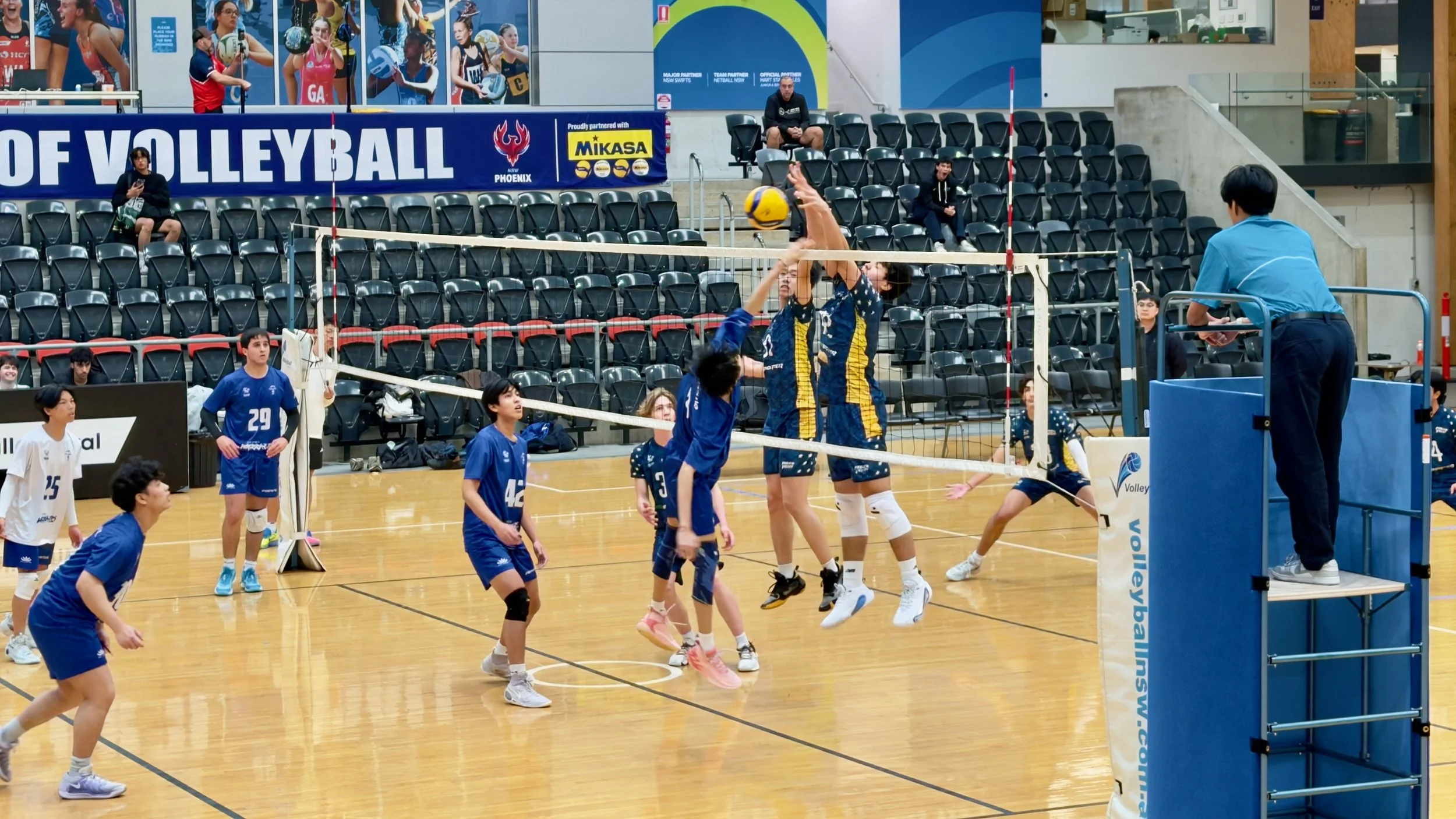
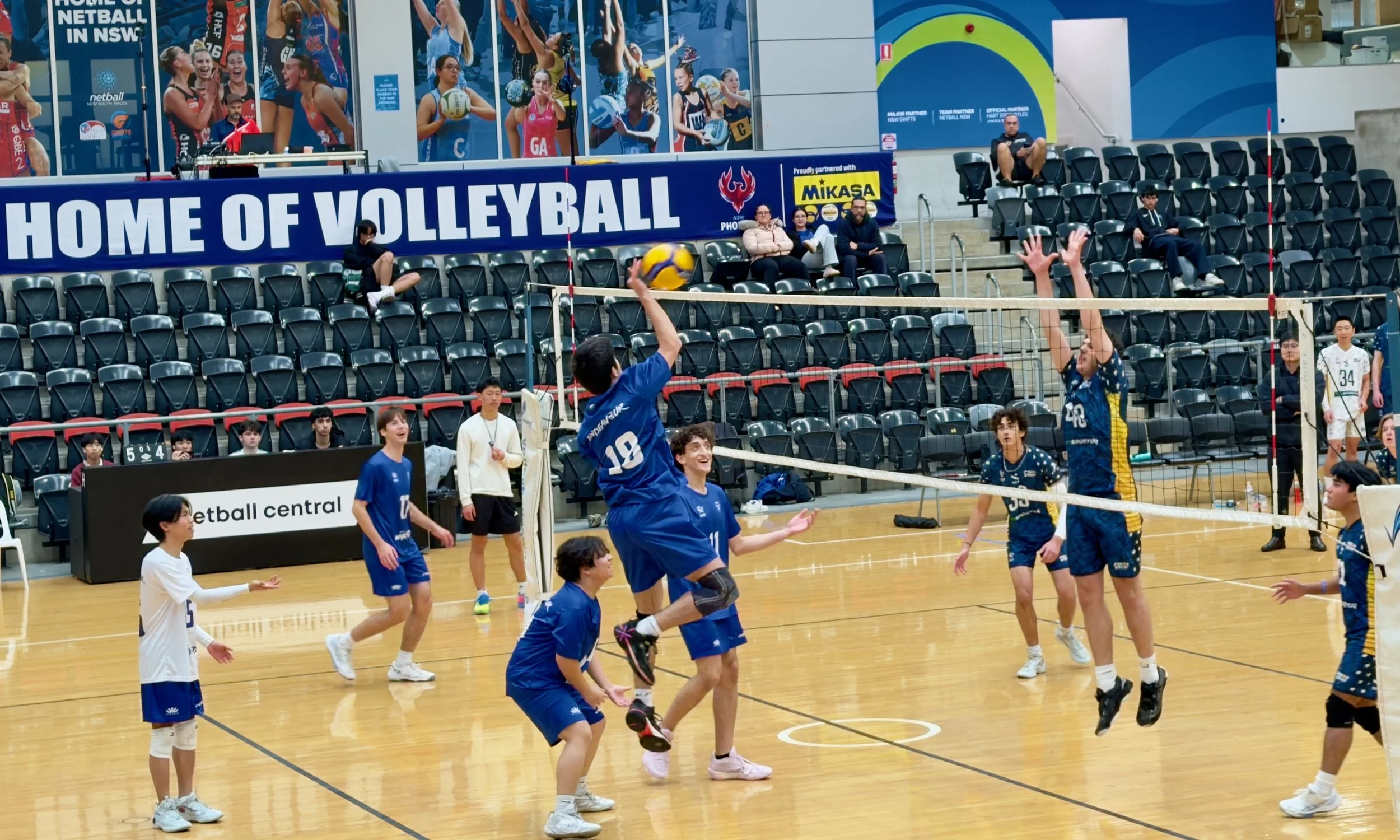
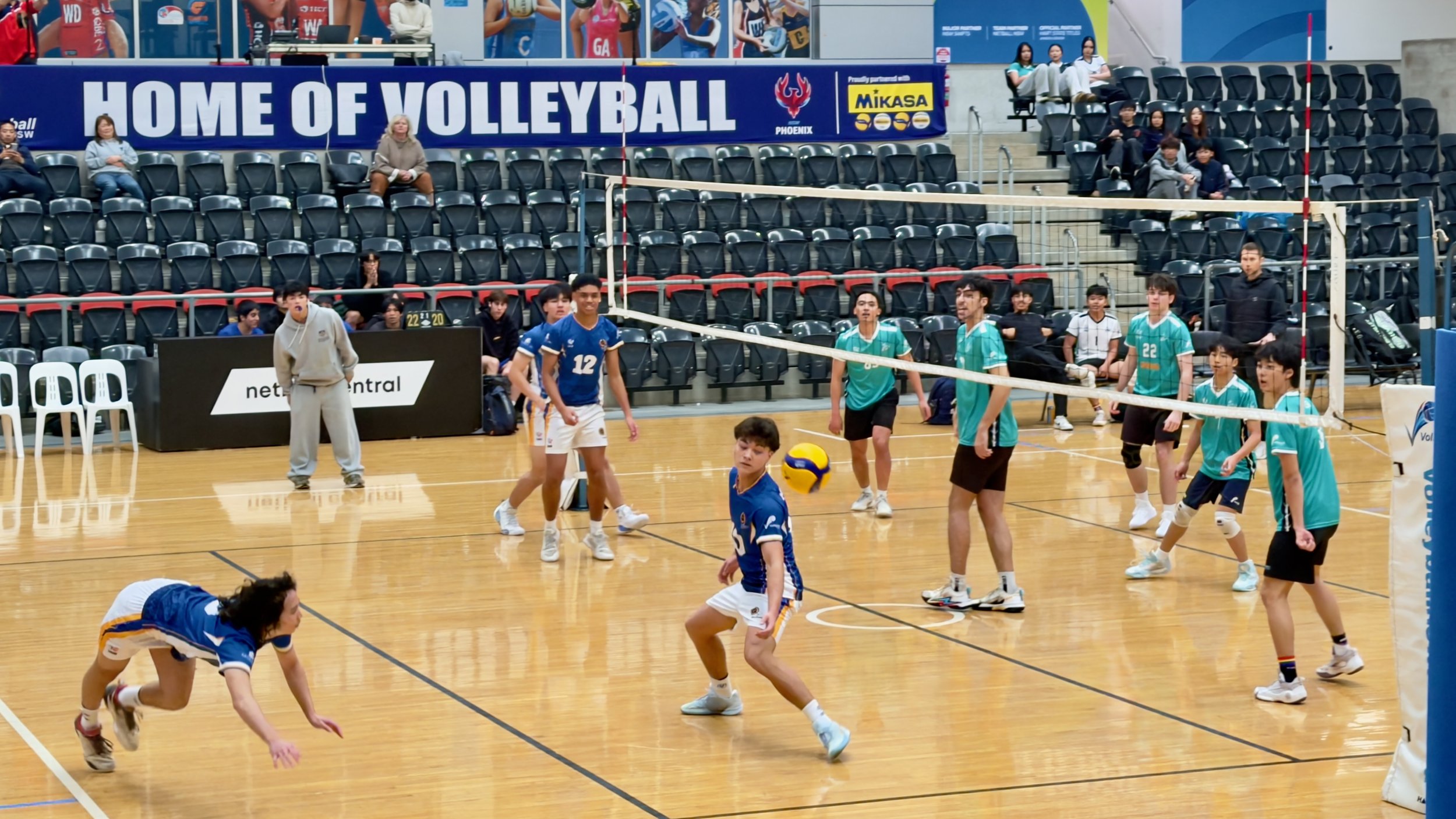
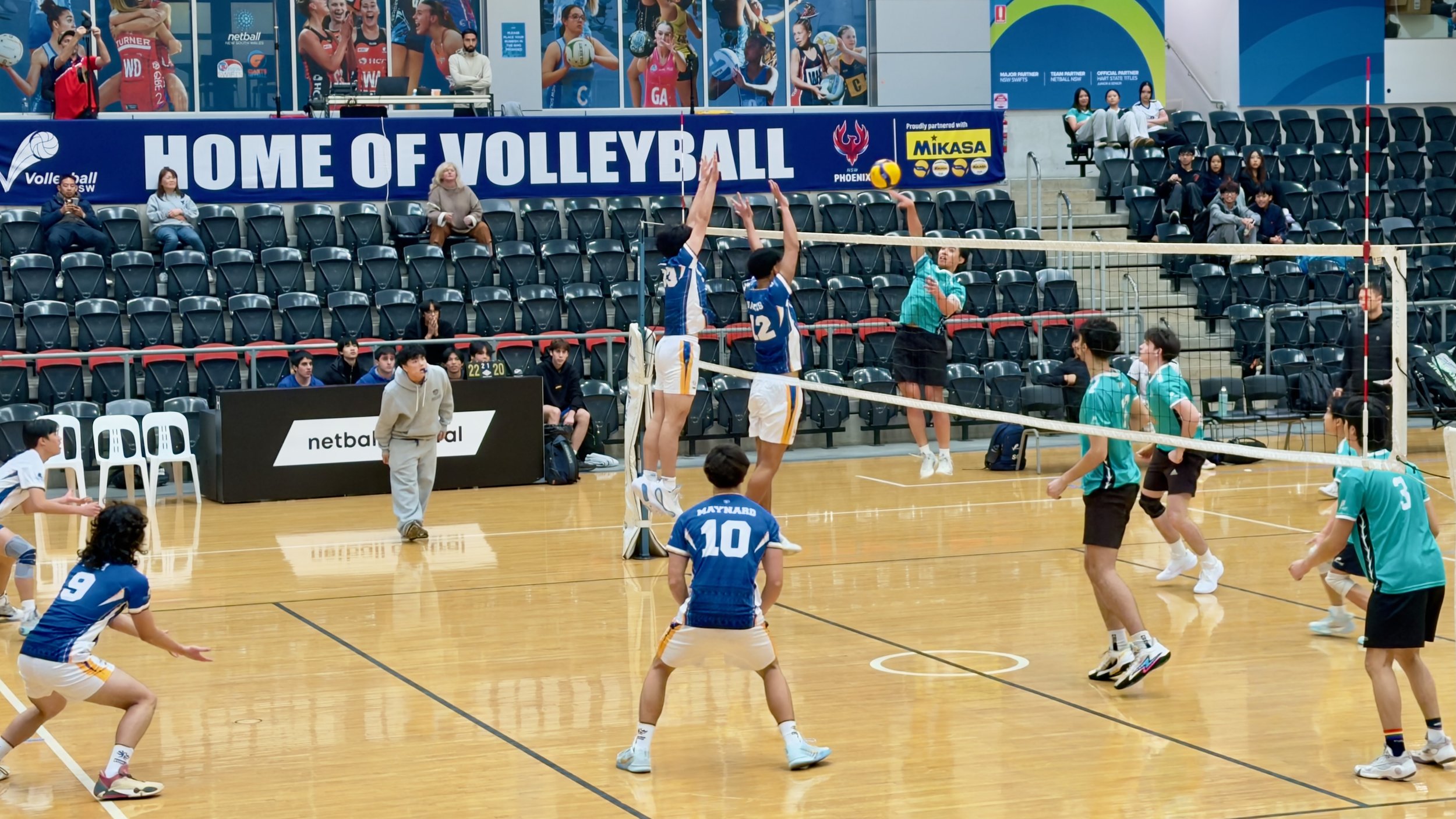
The show court hosted different matches throughout the day. Junior PVL teams gave way to the senior competition, bringing a different mix of players, families and supporters each time. Unlike football or cricket, where spectators are usually just that, almost everyone inside Netball Central seemed to have another reason for being there. Players became spectators once their own match had finished. Coaches wandered between courts. Parents arrived for one game before disappearing again. Teams packed up, grabbed a coffee and watched another match before eventually heading home.
I eventually gave up trying to work out who belonged to which court. In a strange way, almost everyone belonged somewhere.
Except me. I was still the bloke sitting by himself with a notebook.
The show court rarely had what most sports would describe as a crowd, yet over the course of a twelve-hour day an extraordinary number of people would have passed through the building. Not all at once, but in a constant rhythm of arrivals, matches and departures that never really seemed to stop.
It made Netball Central feel less like a sporting event and more like a living community.
That changed the way I watched everything else.
Instead of following the ball all afternoon, I found myself watching what happened between the points.
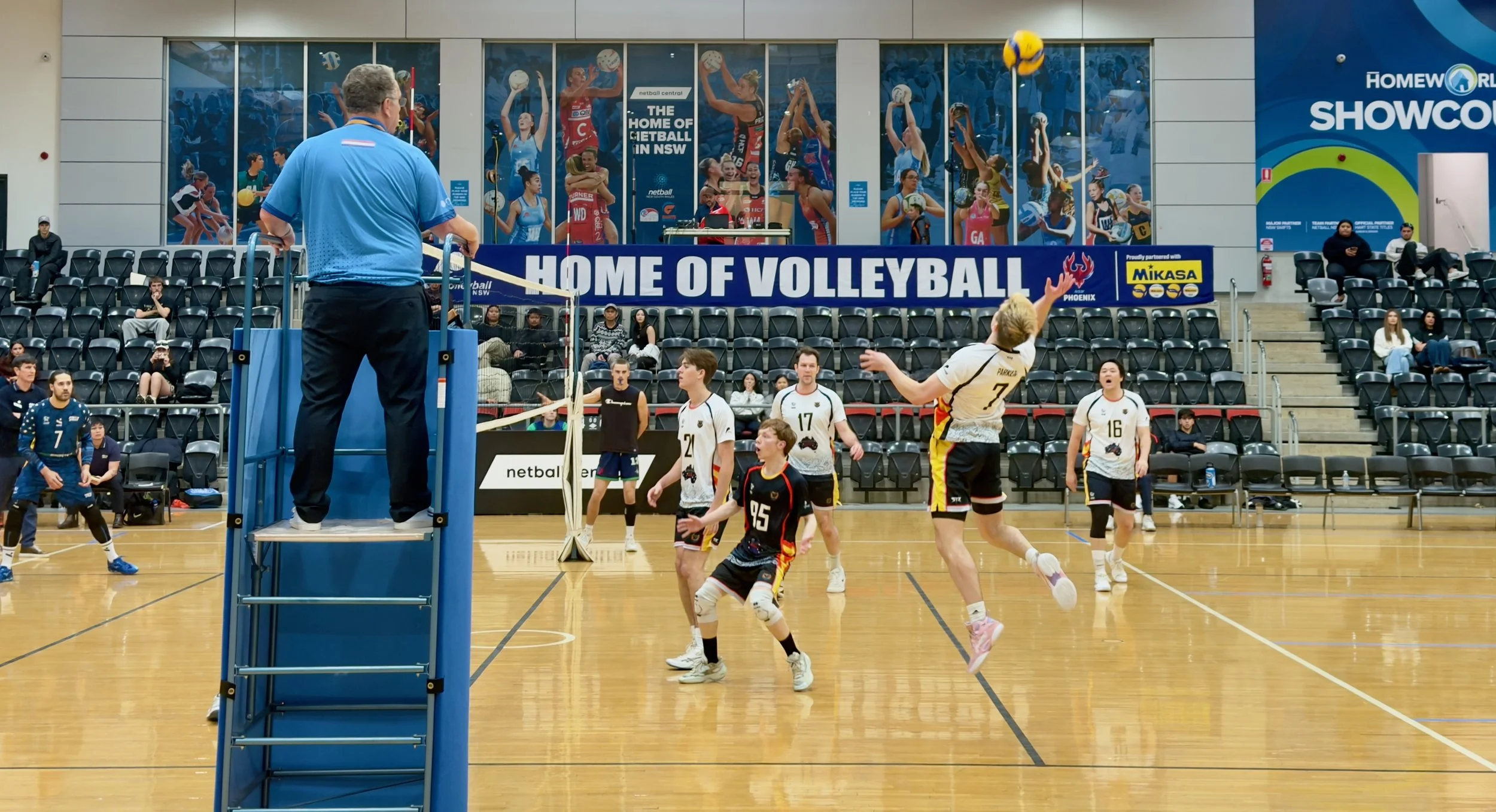
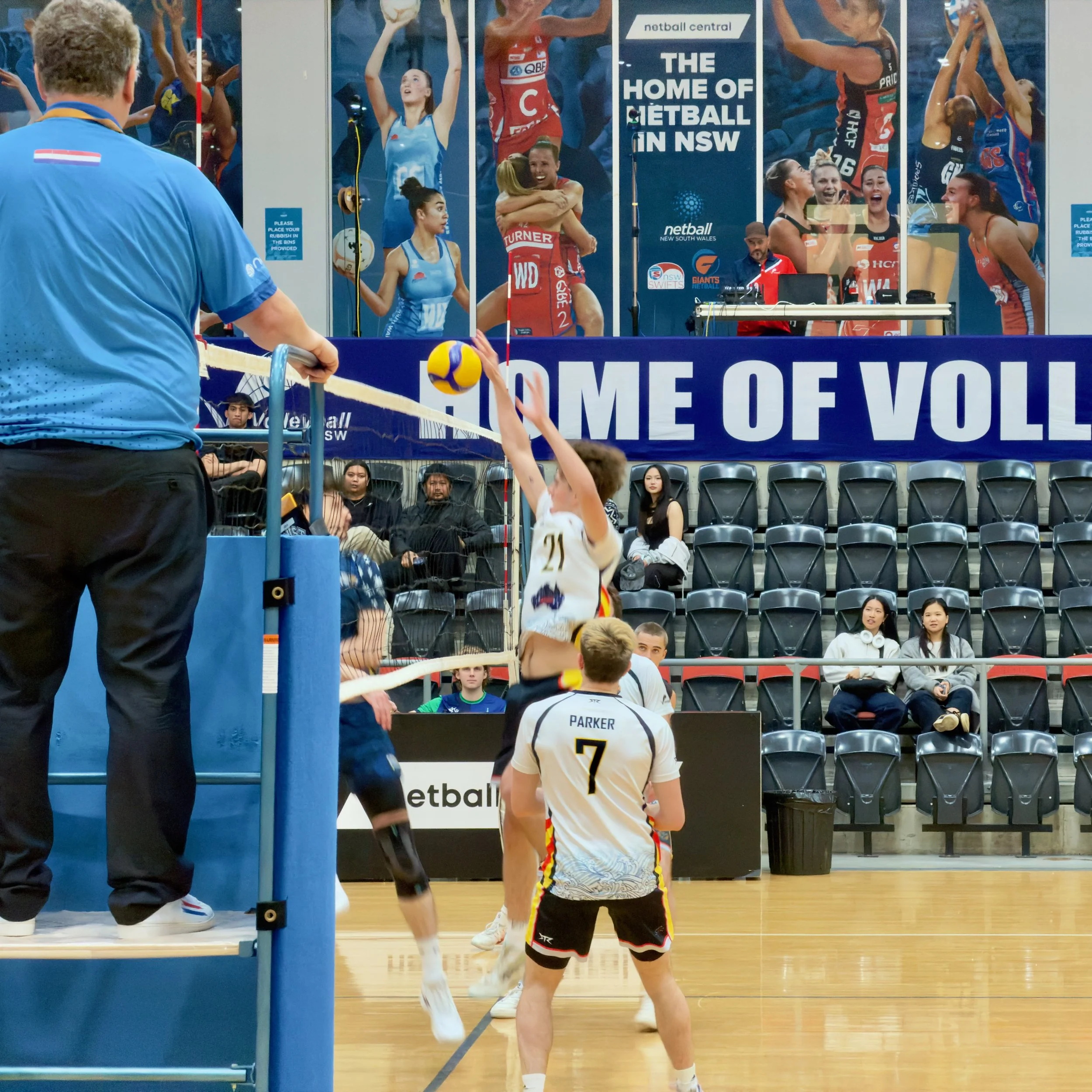
Teams were expected to change ends by walking around opposite sides of the net. Most did without thinking. On the occasions when one team forgot, an official quietly spoke to the captain before play resumed. Nothing dramatic happened. Nobody argued. The game simply returned to the way everyone expected it to be played.
The ball was almost always rolled beneath the net rather than thrown over it. Players who had just lost a point were often the loudest voices encouraging the next rally. Even during timeouts, the substitutes rarely stopped moving, stretching or passing a ball amongst themselves.
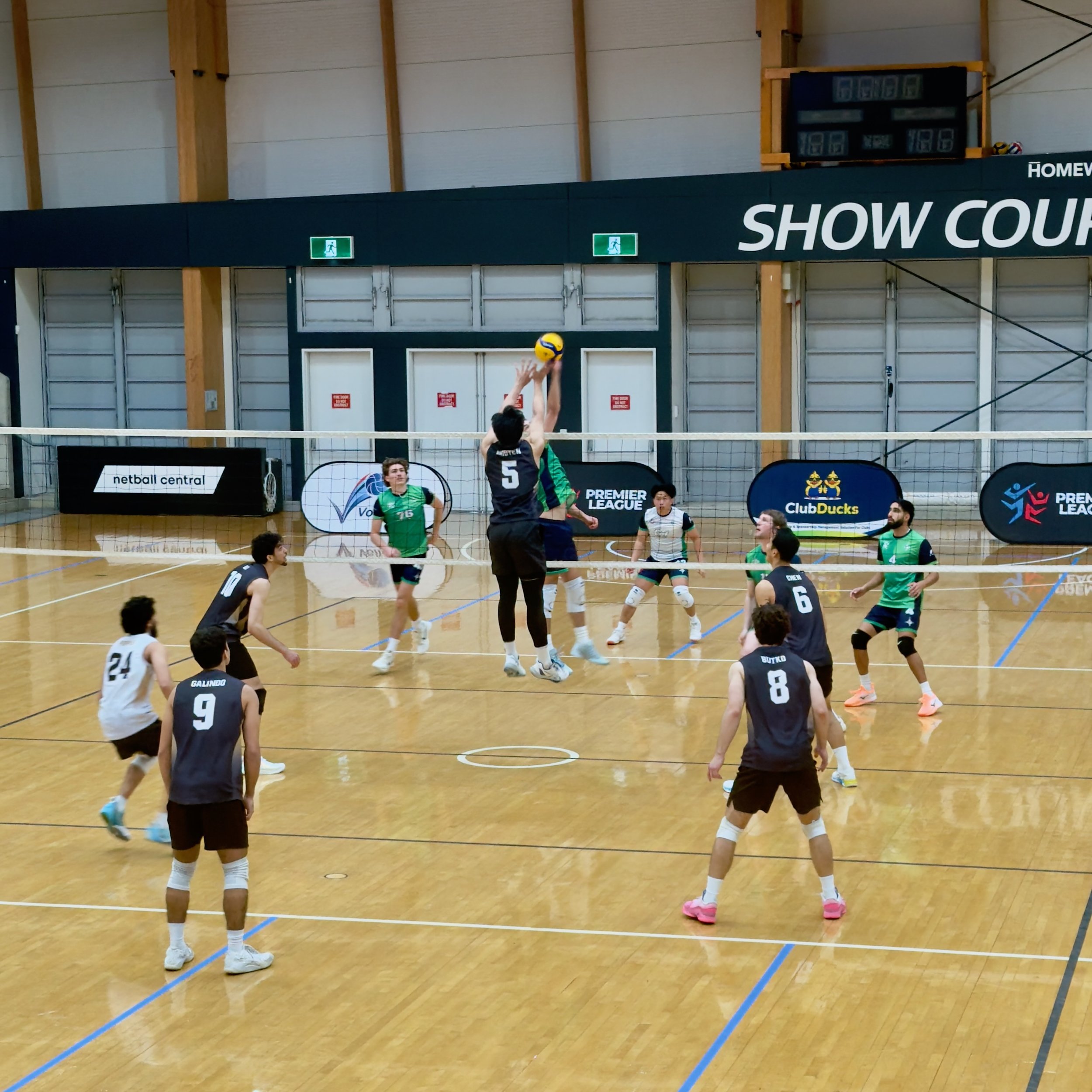
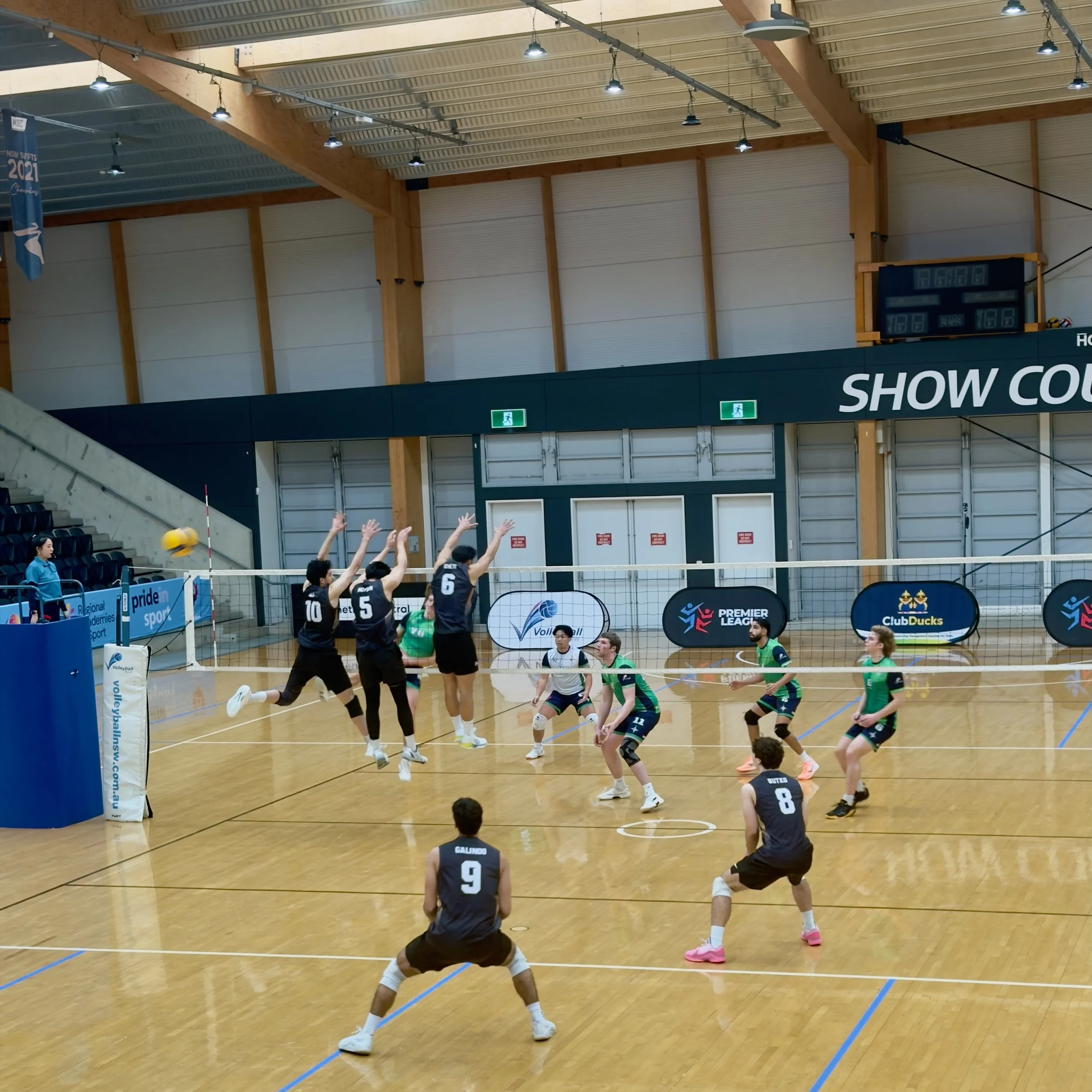
None of those things appear on a scoreboard. Yet they seemed just as much a part of volleyball as the spikes and blocks. Every sport has its own language. The first visit had taught me a few words. The second helped me hear the conversation. There was one part of the game that felt unexpectedly familiar.
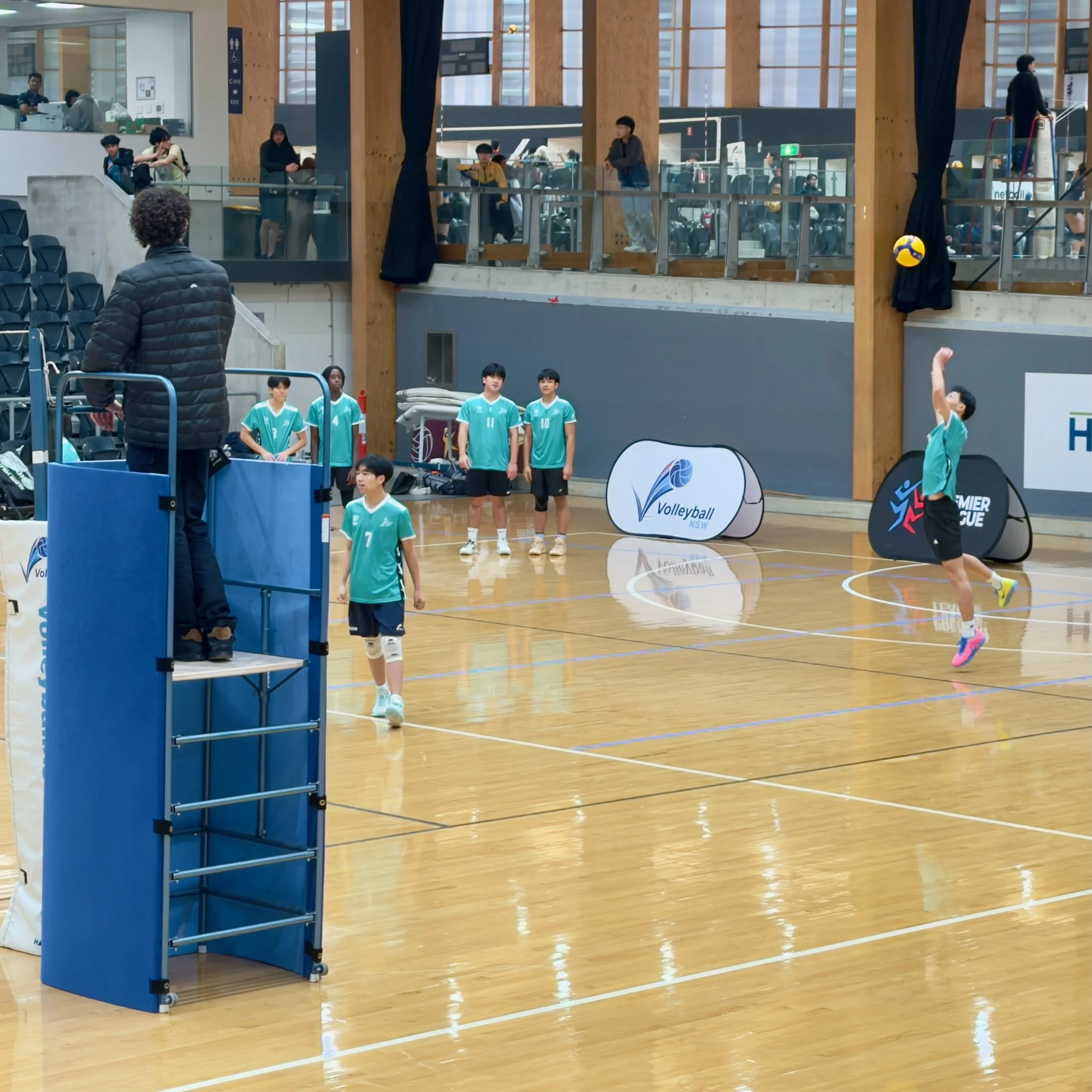
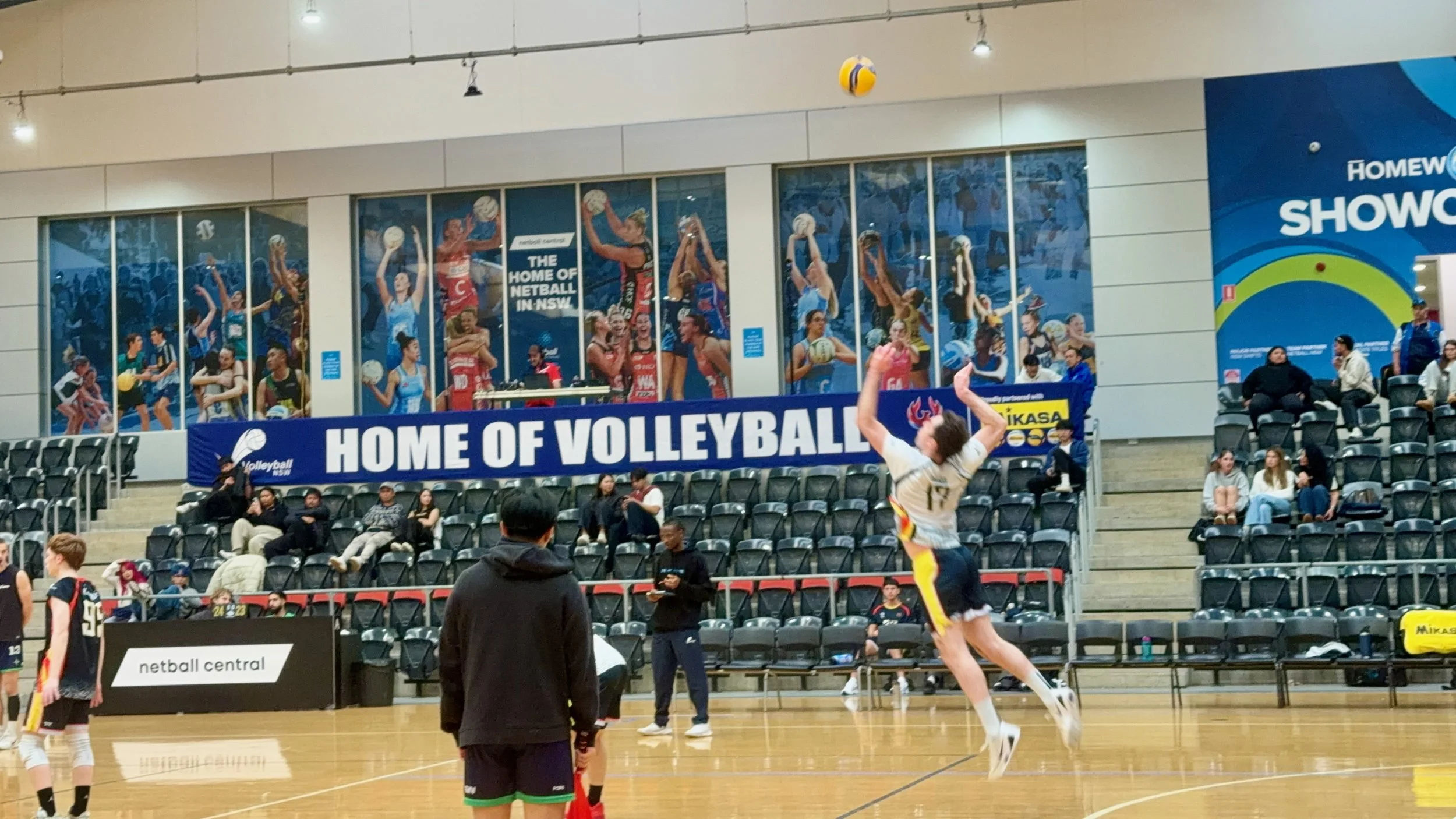
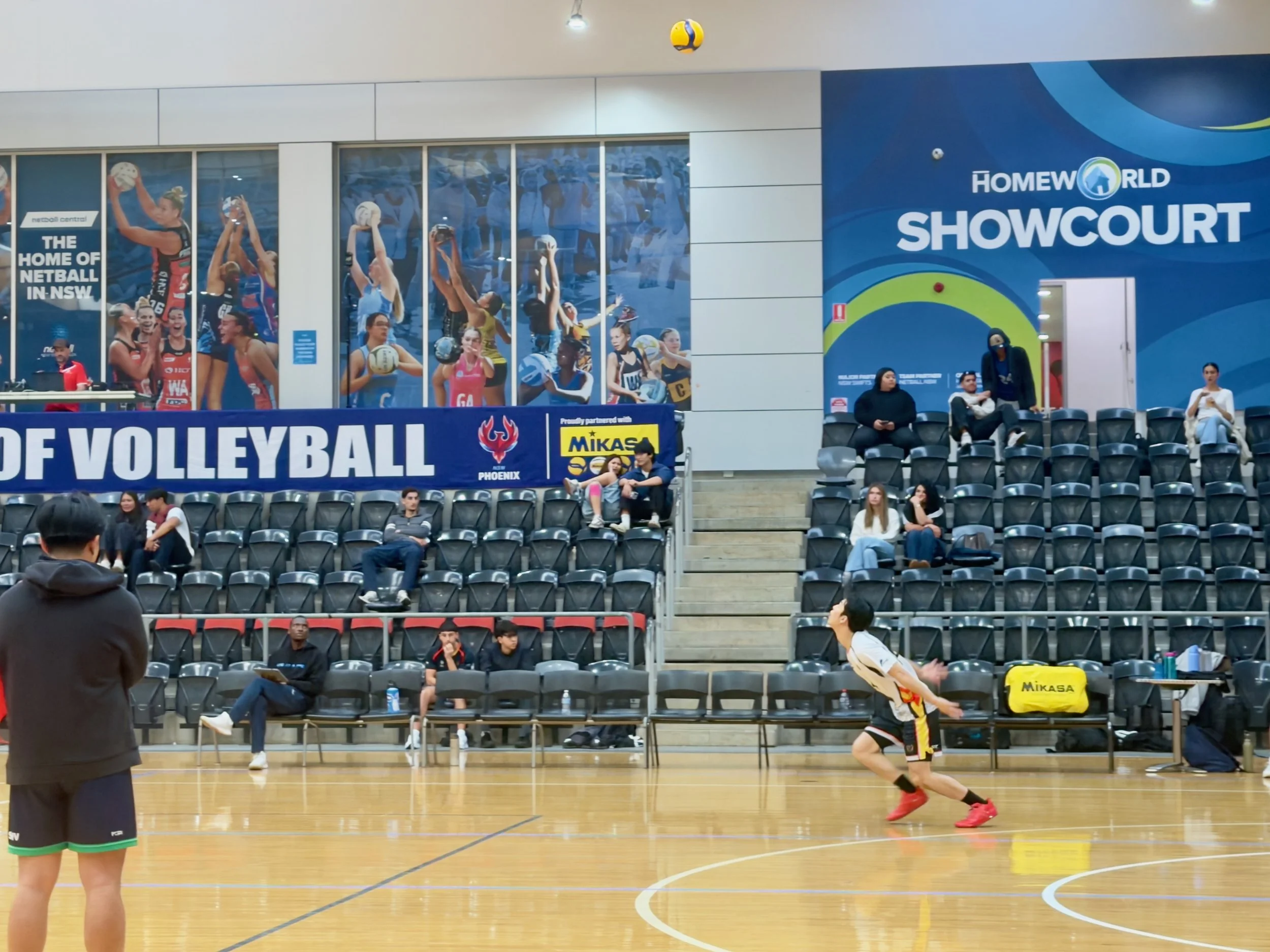
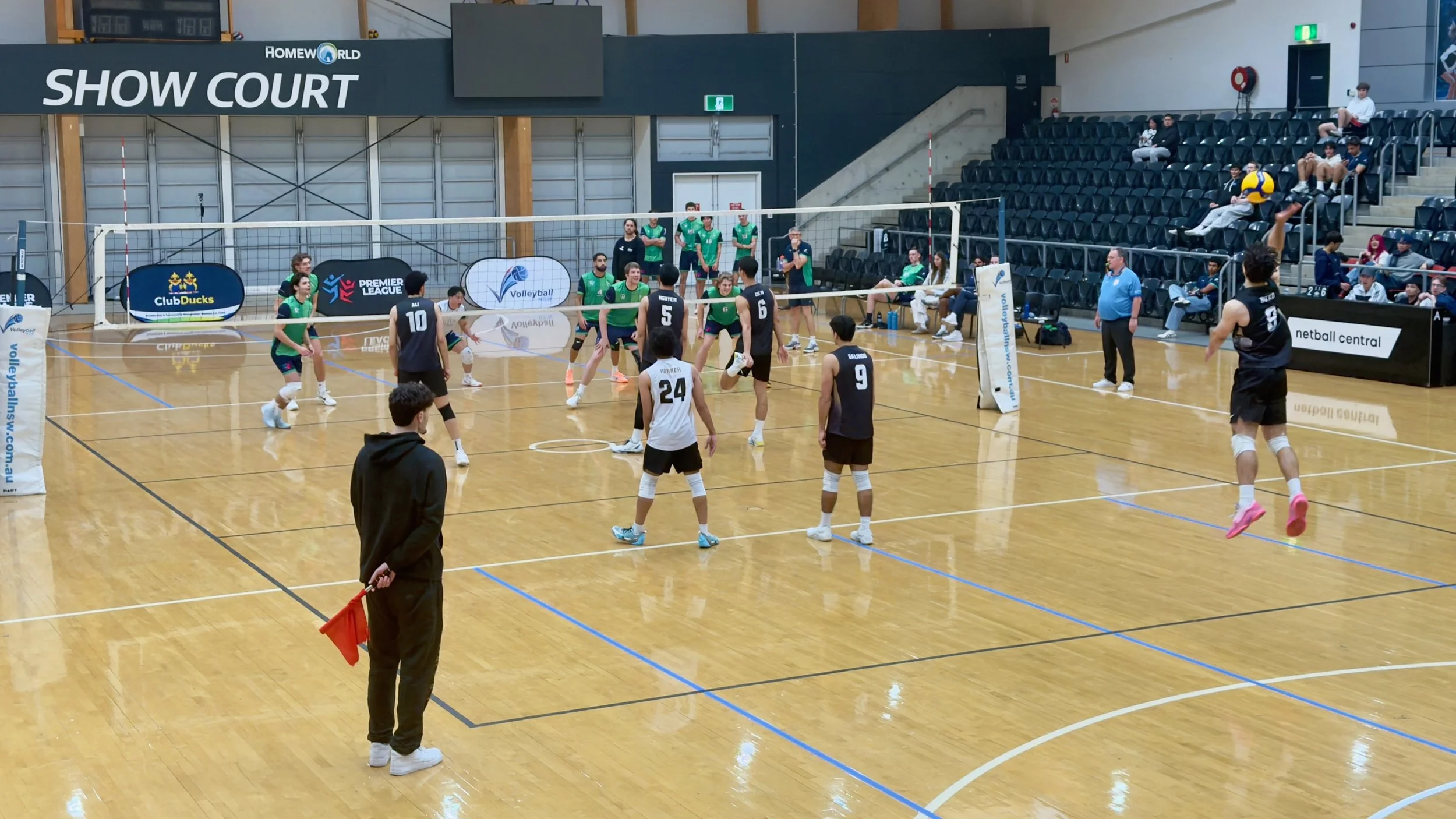
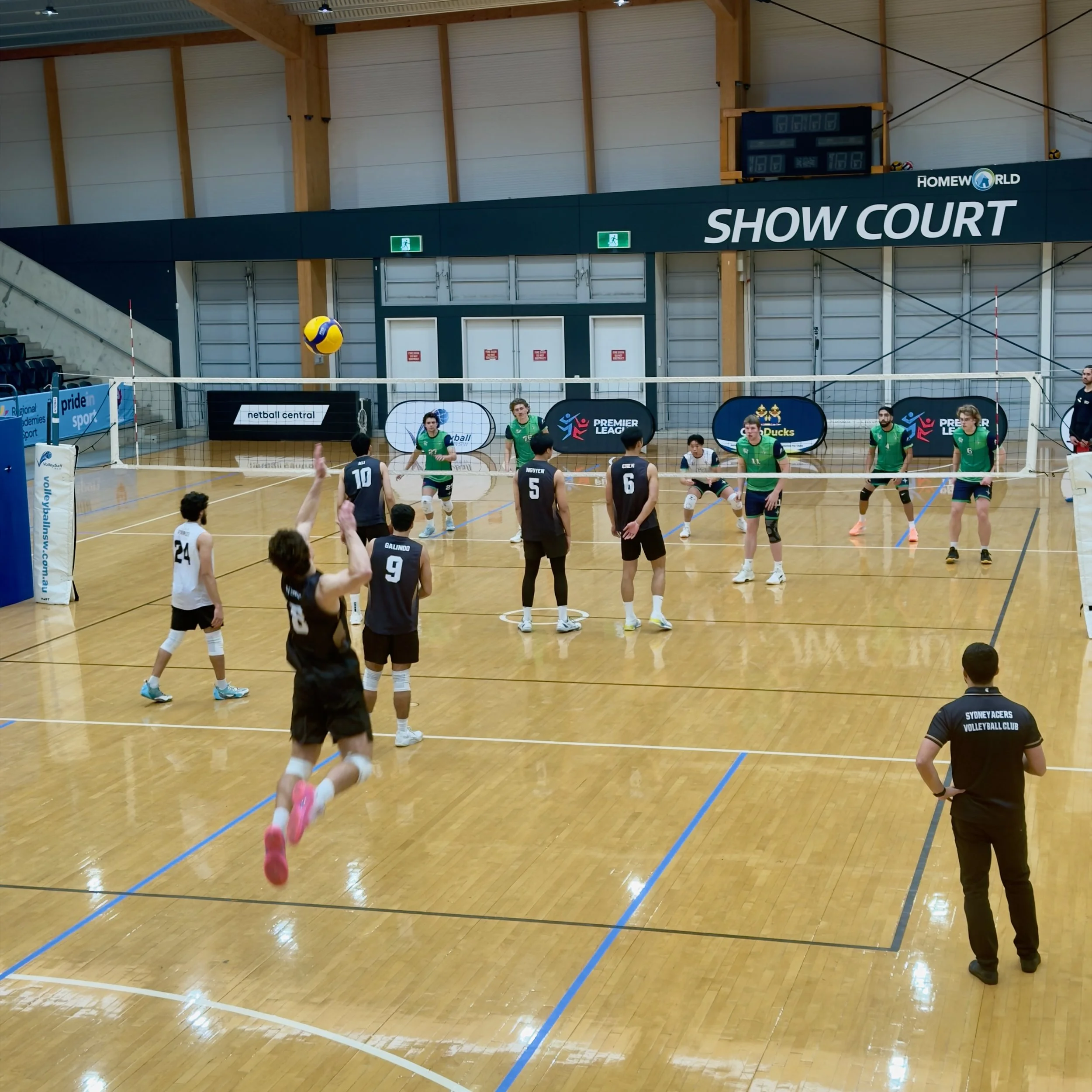
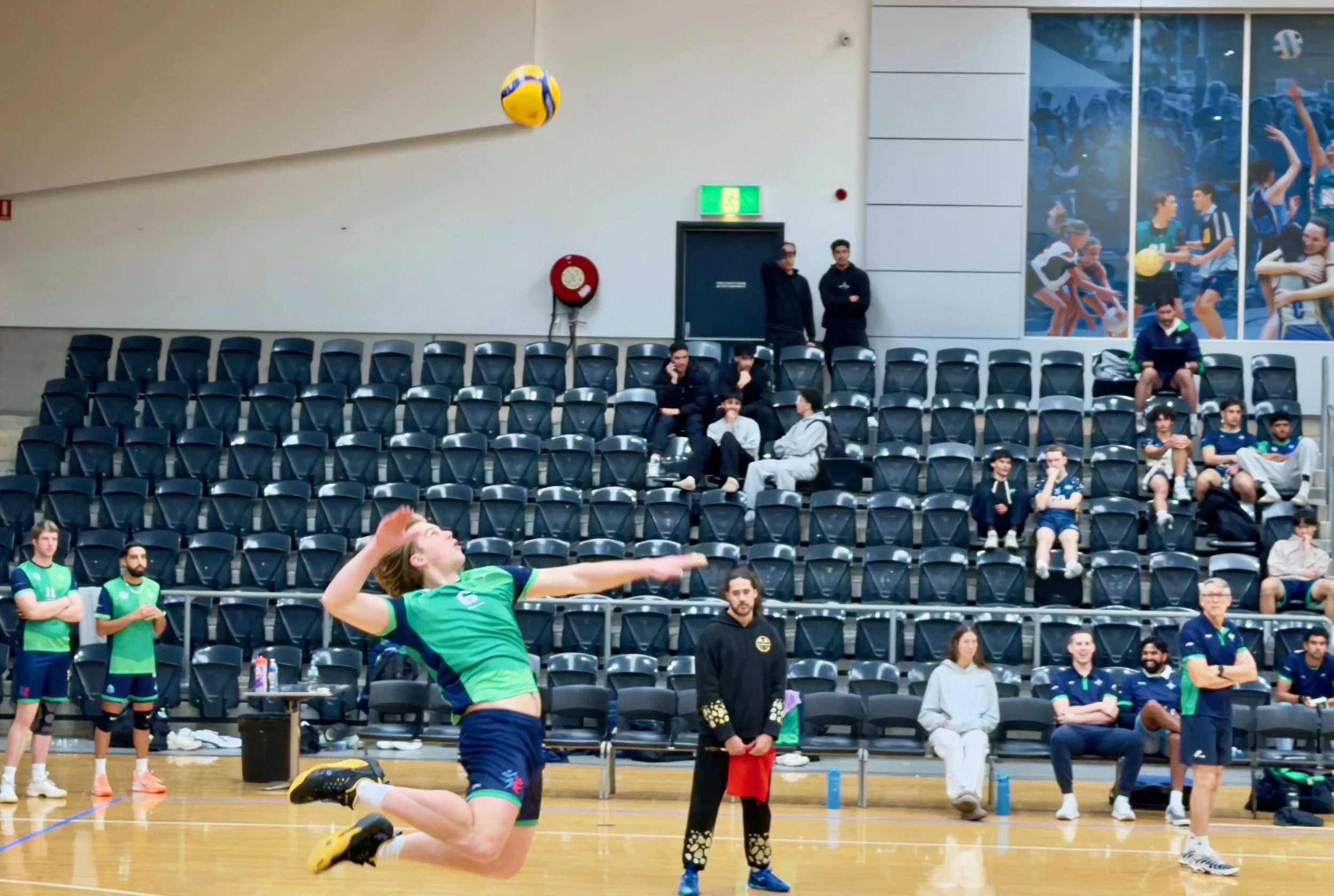
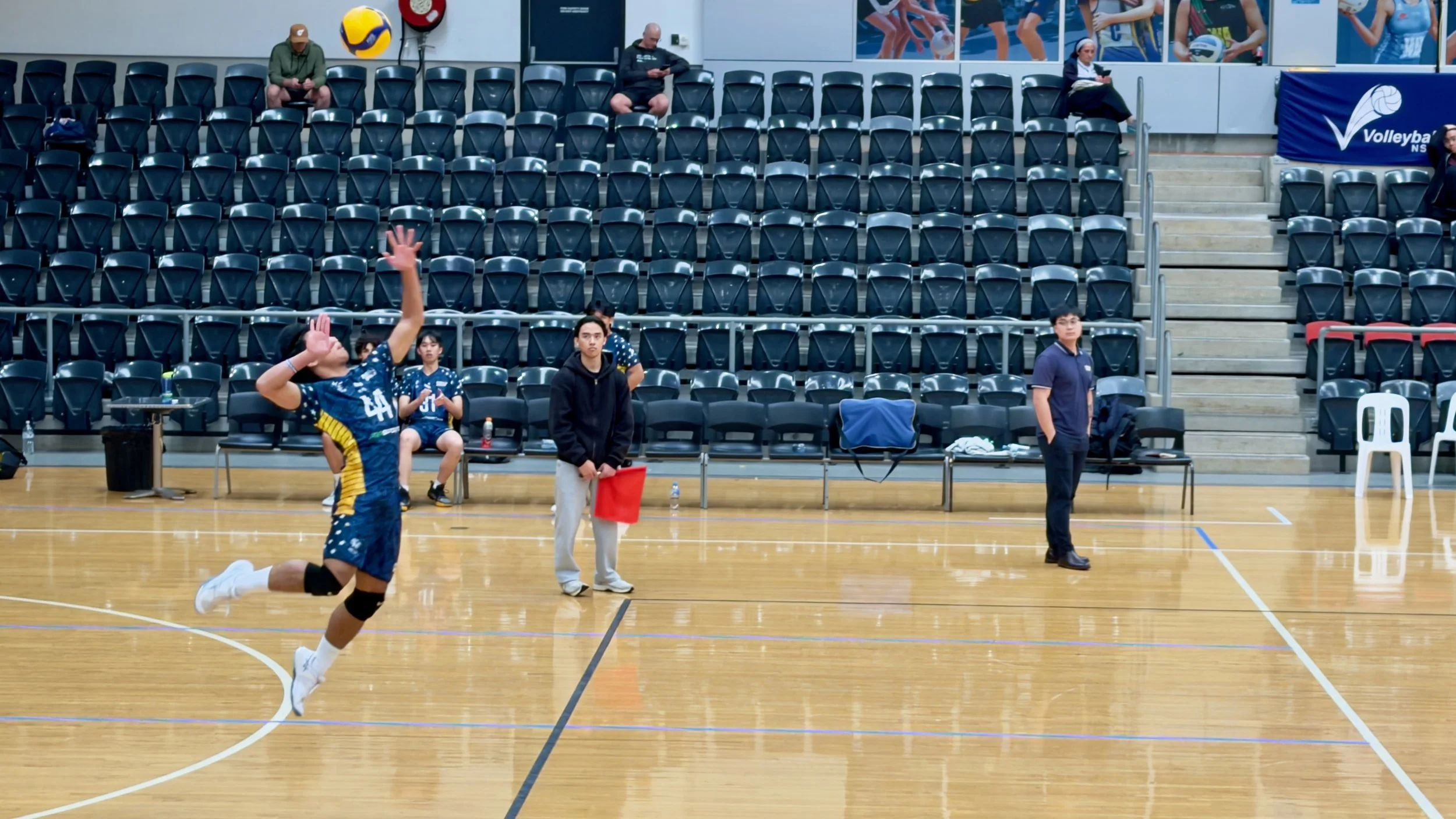
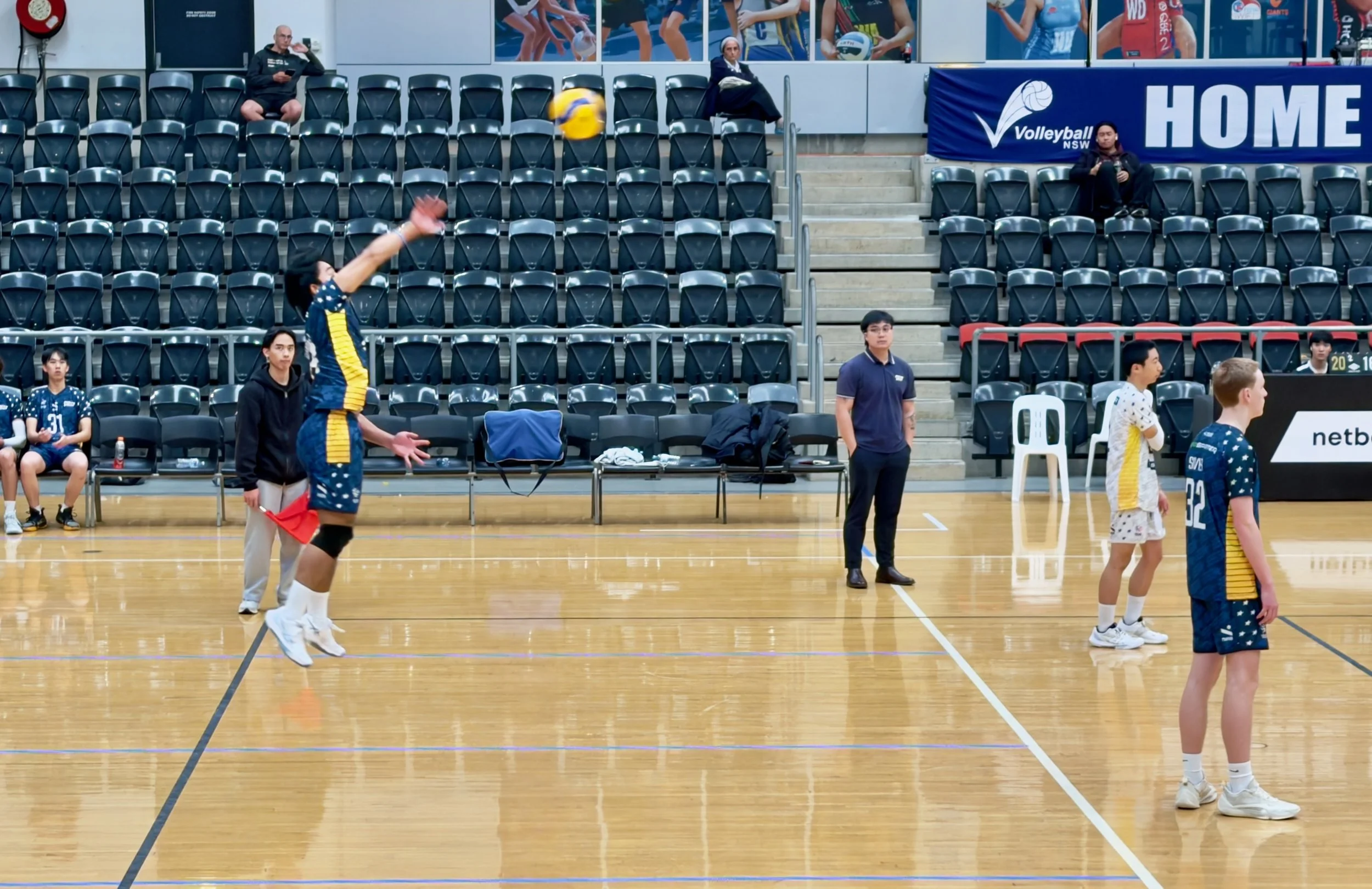
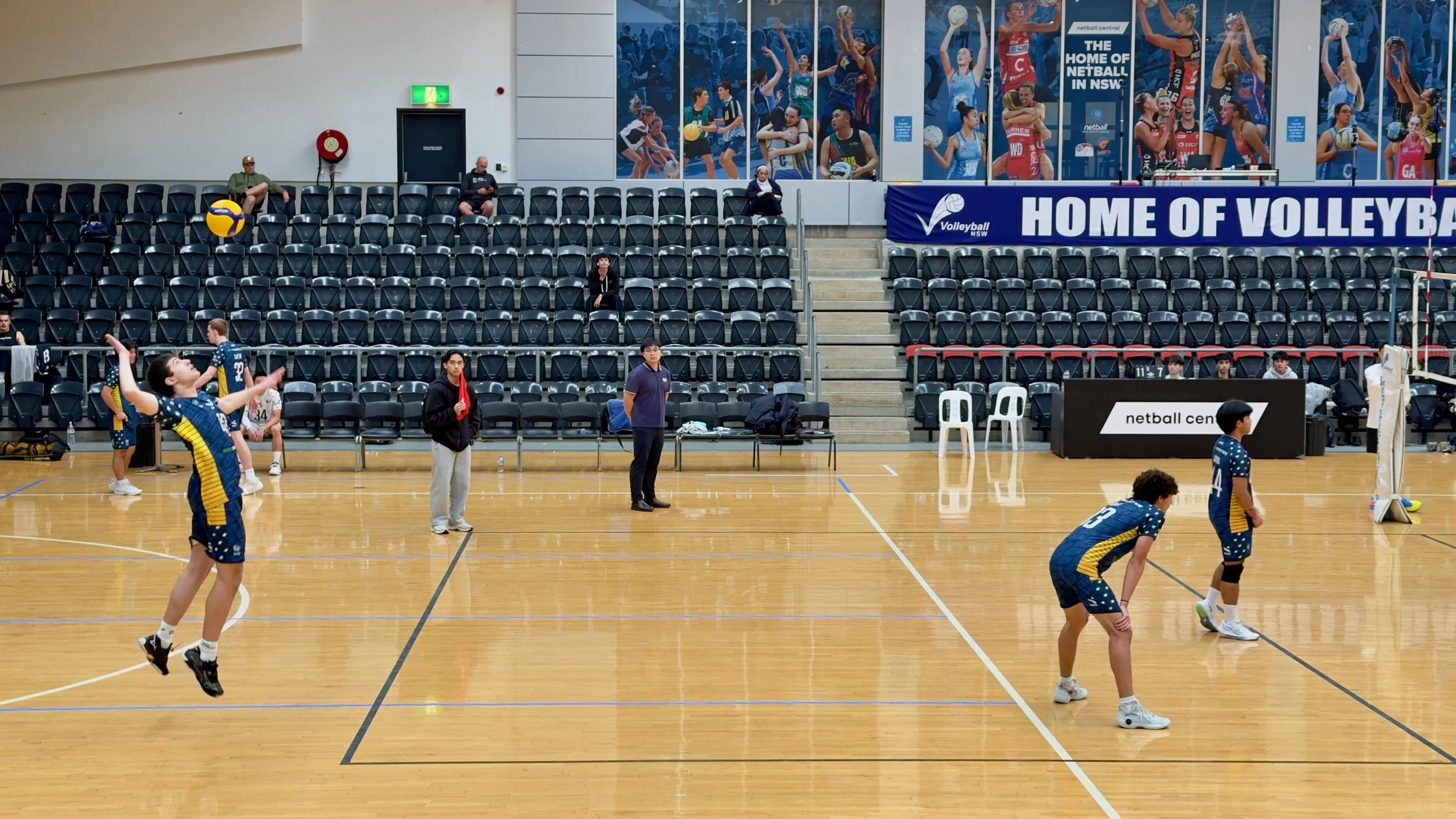
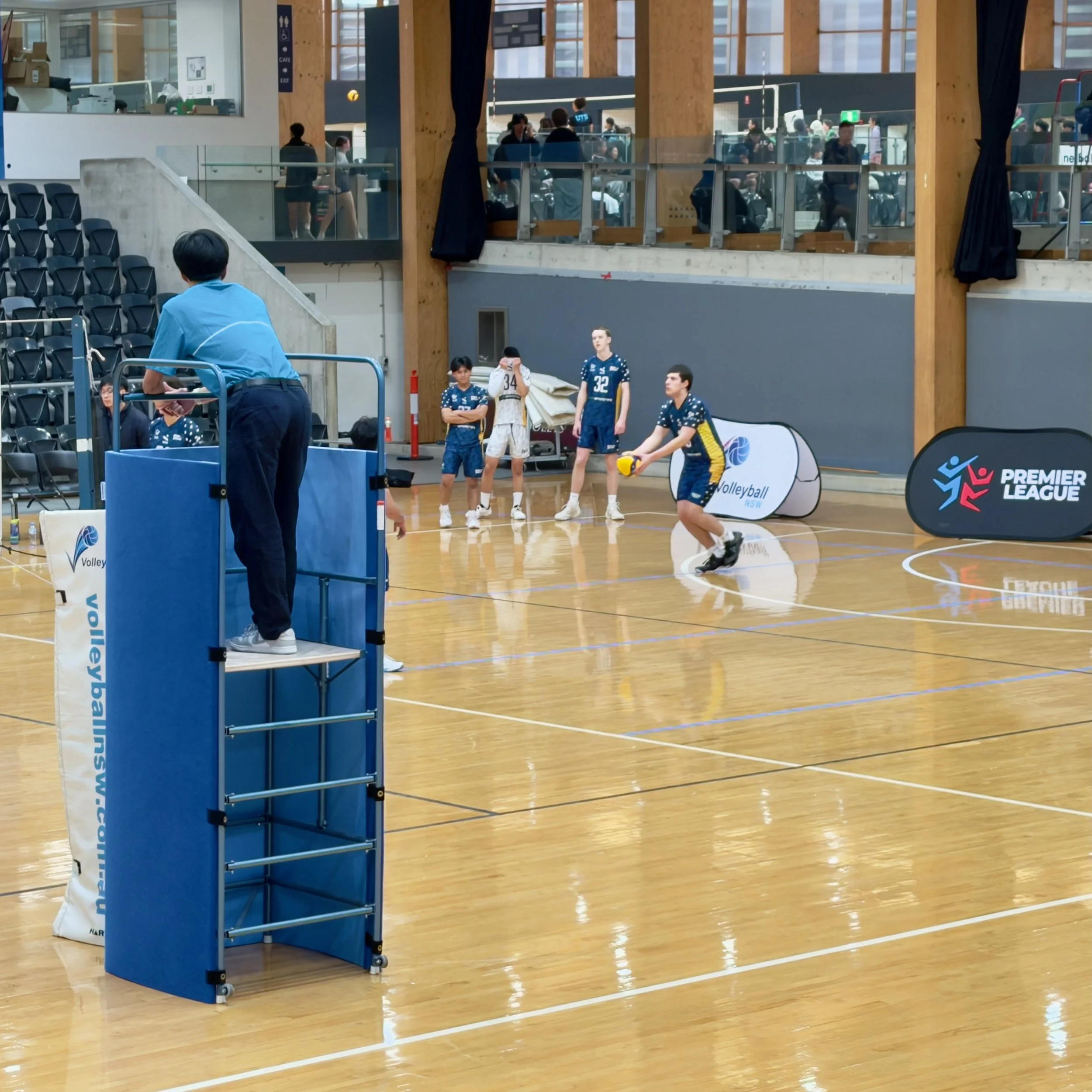
The serve. Volleyball never disappeared completely after school. Our team reached the state championships, although "reached" probably sounds more impressive than it felt. We didn't come last. We came close enough. Years later I still found myself playing socially and with workmates. It's probably fifteen years since I last stood behind a baseline with a volleyball in my hands. Apparently that was still close enough to remember.
I realised I wasn't watching serves because they were spectacular. I was watching them because I'd always loved serving. Each serve seemed to ask a slightly different question of the team receiving it. Some forced a hurried pass. Others disrupted the attack before it had even begun. The point might not be won immediately, but its direction often felt established from the very first contact. It reminded me that the things I'd once enjoyed doing as a player had quietly become the things I now enjoyed watching.
Perhaps that's what familiarity does. The first time you attend a sport, your attention is spent on understanding the obvious things. The score. The rules. The venue. Who is playing.
The second time, your attention is free to wander. You notice the official quietly correcting a captain. The substitute who never really sits still. The crowd that appears and disappears without warning. The little rituals everyone else performs without thinking.
You stop trying to understand the sport. You start understanding the people who play it.
I'd arrived wondering whether my first visit had simply been the novelty of trying something different. It wasn't.
The novelty had disappeared. The enjoyment hadn't.